Planning a trip to Chile in 2026? From the star-studded silence of the Atacama Desert to the jagged granite spires of Patagonia, Chile is officially the ultimate frontier for global travelers this year.

Why Chile is the Best Place to Visit in 2026

There is a stillness in Chile that commands your attention. It’s found in the crackle of a millennial glacier in Torres del Paine National Park, the crisp snap of a Carmenere in the Colchagua Valley, and the cosmic dance of the Milky Way above the driest desert on Earth.

Recently highlighted as a premier global destination, Chile has declared 2026 the “Year of Sustainable Adventure.” With the brand-new expansion of Santiago’s international airport and a surge in eco-luxury lodges, the “Thin Country” has evolved. It is no longer just for the rugged backpacker—it is now the world’s leading destination for high-end, responsible exploration and eco-tourism.

💡 Travel Hack: Iberia has just launched its “Woffer” campaign, offering massive discounts on flights to Santiago (SCL). If you’ve been looking for a sign to book your South American adventure, this is it. The campaign ends Jan 26, so you’ll need to move fast to lock in 2026 prices!

San Pedro de Atacama: A Journey to Mars

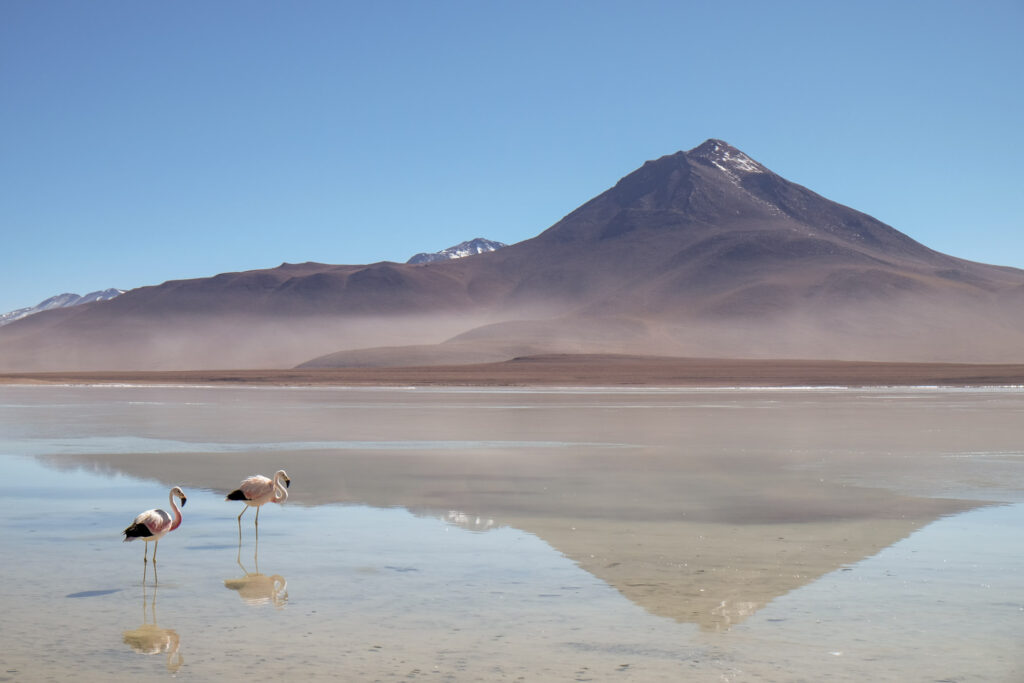
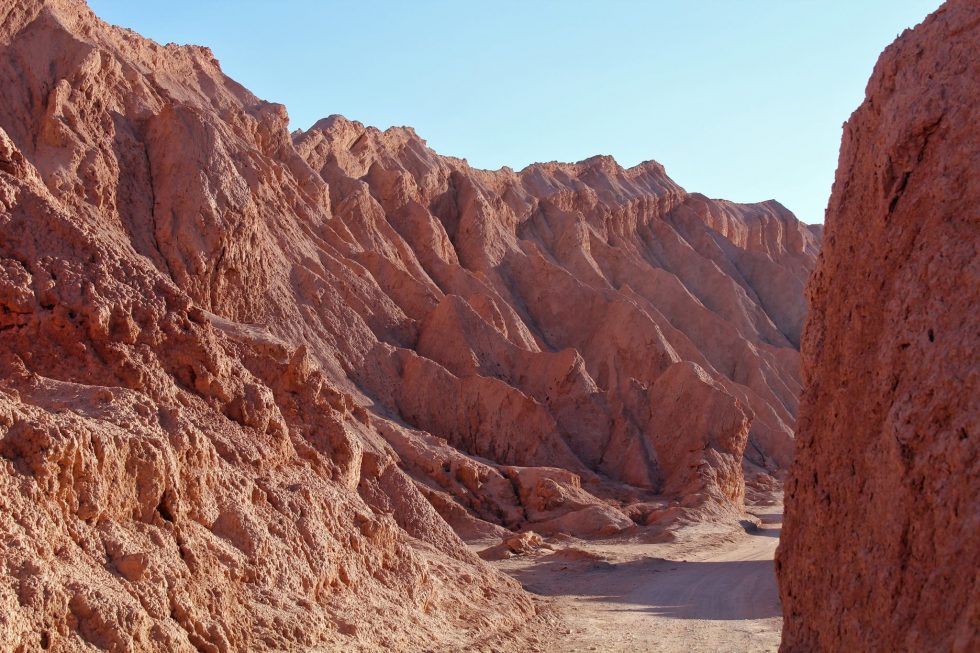
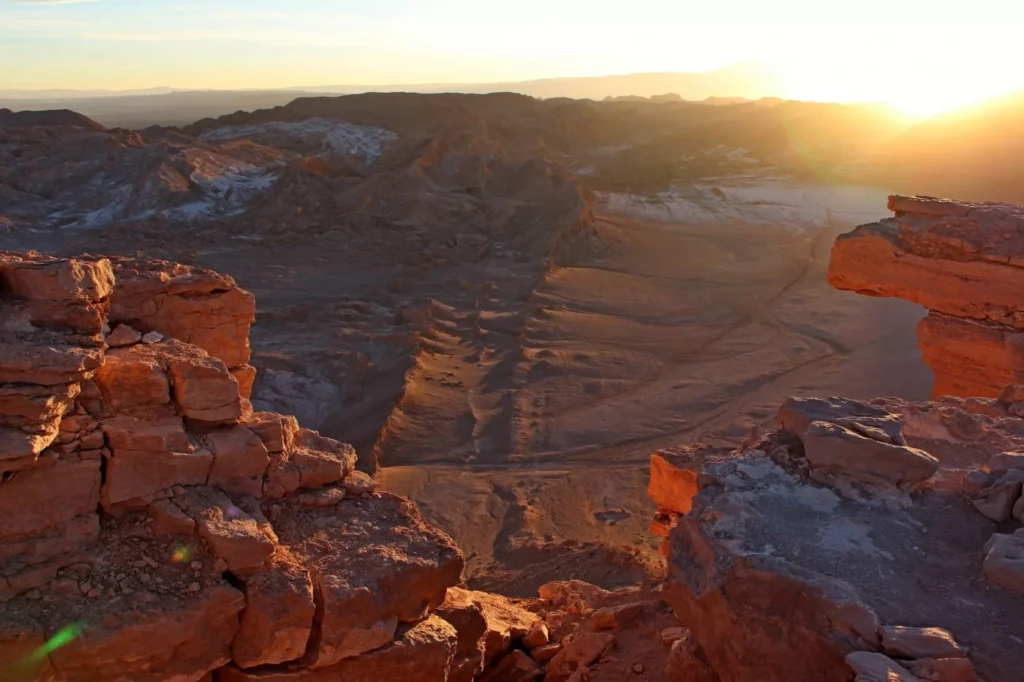
Imagine a place where the earth turned red and the water turned to salt. San Pedro de Atacama, located in Northern Chile, is the gateway to landscapes so surreal they are often used by NASA to test Mars rovers. In 2026, the region is celebrating the reopening of the iconic Tierra Atacama lodge, blending five-star comfort with raw desert immersion.

San Pedro de Atacama

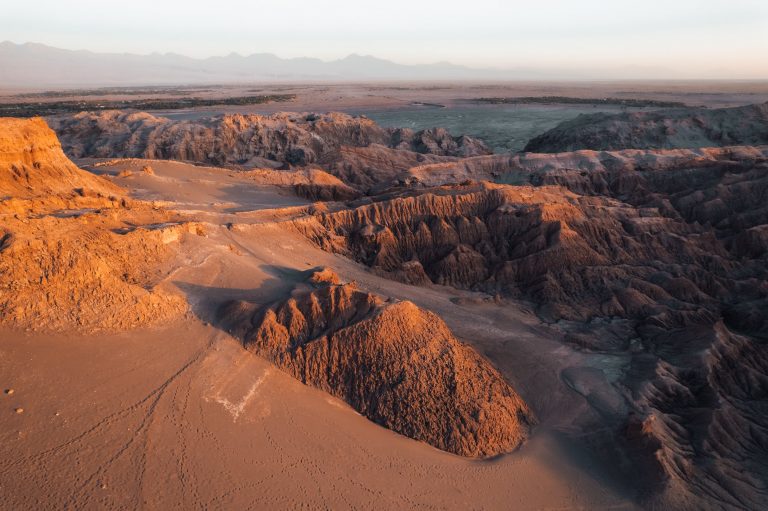
Start your journey at the Valley of the Moon at sunset, where the rocks glow purple and gold. Wake up at 4:00 AM to witness the Tatio Geysers erupting against a freezing Andean dawn, then spend your afternoon floating effortlessly in the turquoise, salt-dense waters of Laguna Cejar.

💡 Pro Tip: To reach the desert, book your Iberia flight to Santiago (SCL) and take a quick 2-hour domestic hop to Calama (CJC). From there, a 1-hour shuttle brings you into the heart of the oasis.

Patagonia: The Eighth Wonder of the World

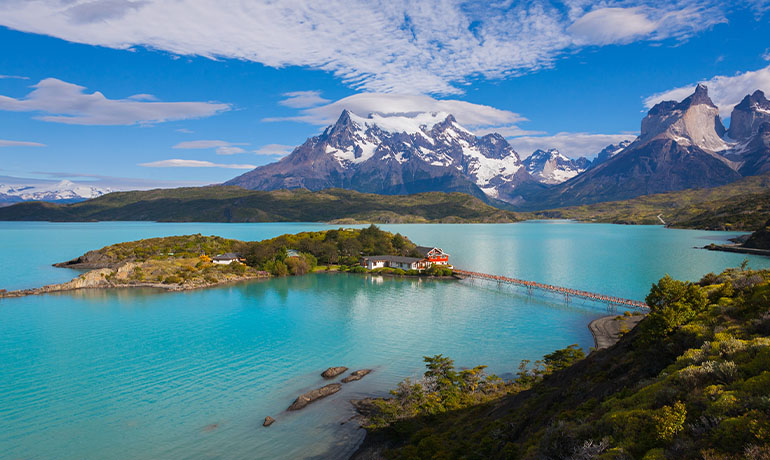
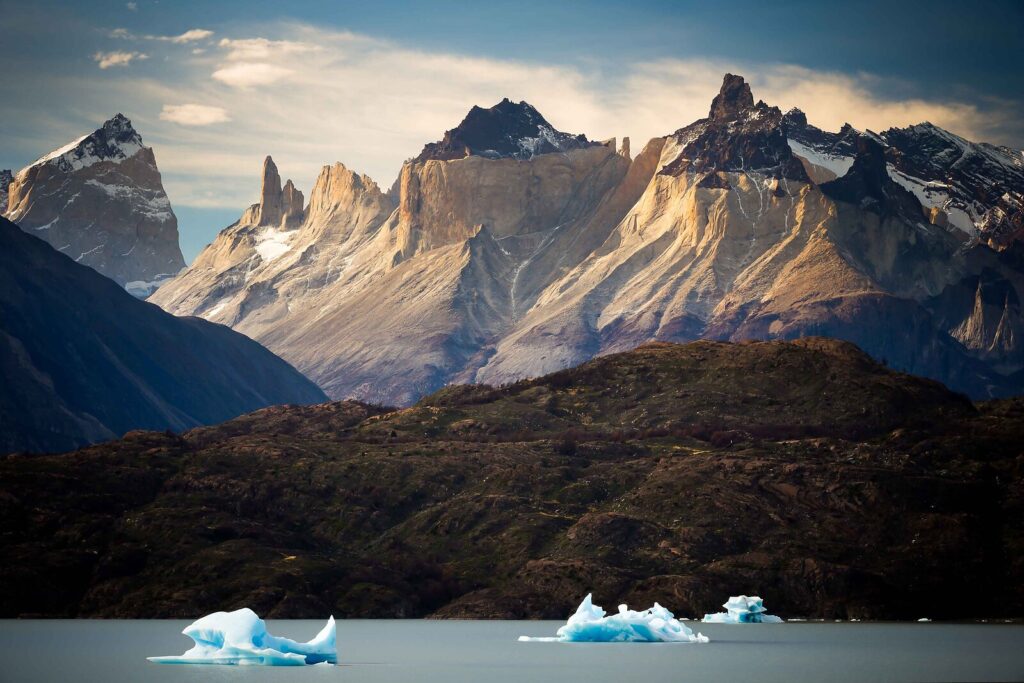
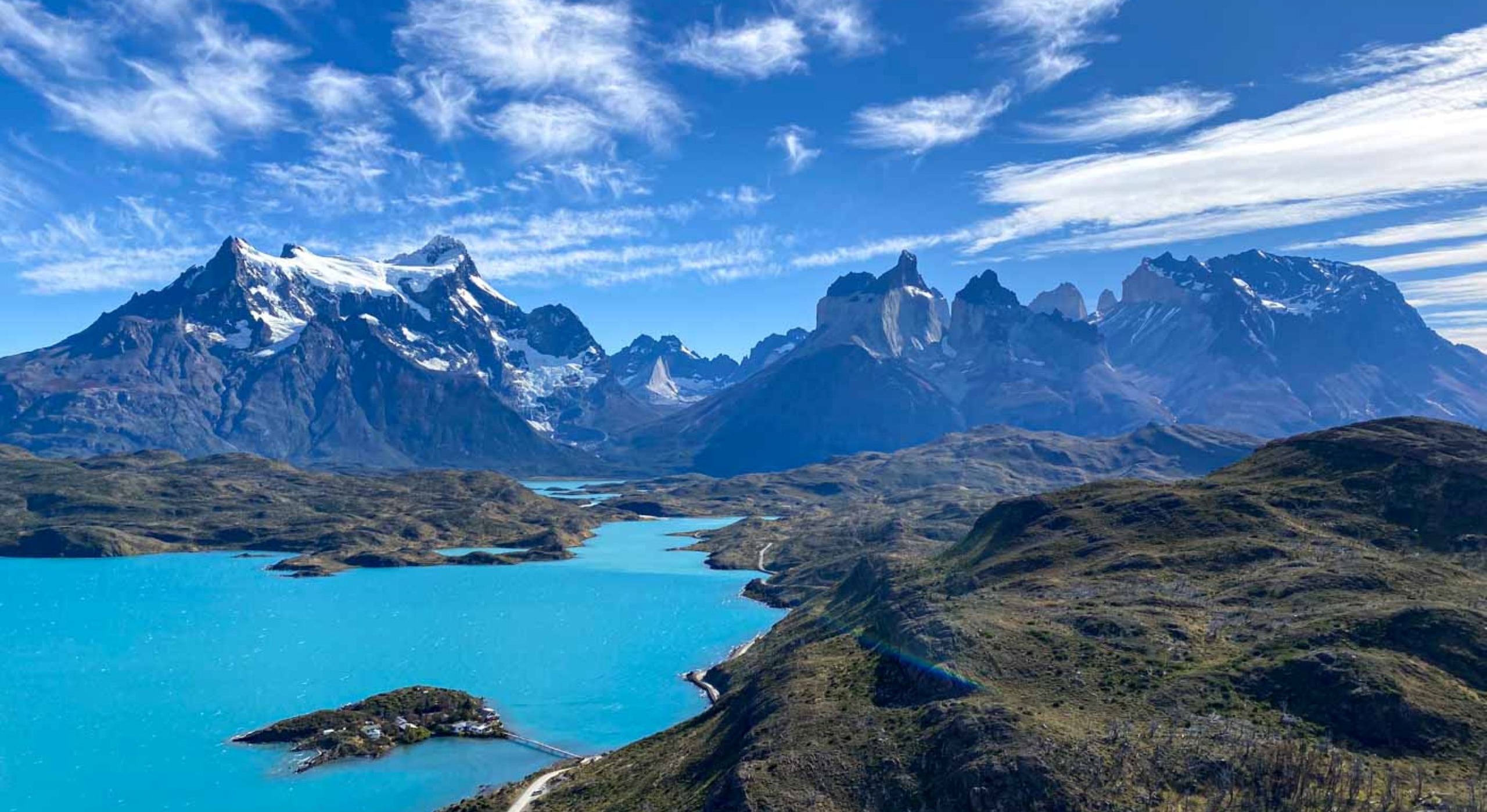
If there is one “bucket list” destination for 2026, it is Torres del Paine National Park. This year, Chile has introduced new carbon-neutral trekking routes, allowing you to hike the famous “W” or “O” circuits with a lighter footprint.

Torres del Paine National Park

From the sheer granite towers that give the park its name to the massive Grey Glacier, Patagonia is a cathedral of ice and rock. Whether you’re staying in a luxury yurt at EcoCamp or trekking between mountain refugios, the scale of this wilderness is life-changing.

💡 Pro Tip: The smartest route is to fly Iberia to Santiago and connect to Puerto Natales (PNT) or Punta Arenas (PUQ). Use the Jan 26 Woffer discount to secure your long-haul leg, and use the savings to upgrade to a navigation tour to see the glaciers up close!

Valparaiso

The Cultural Soul: Santiago & Valparaíso

Chile’s heart beats in its capital. In 2026, Santiago has become a thriving hub for digital nomads, particularly in the bohemian barrios of Lastarria and Italia. Spend your mornings in sleek coworking spaces and your afternoons taking the funicular up Cerro San Cristóbal for a panoramic view of the Andes.

Just 90 minutes away lies Valparaíso, a UNESCO World Heritage city of “chaos and color.” This steep, coastal maze of street art and funiculars was once the home of poet Pablo Neruda. In 2026, the “Slow Travel” movement has taken over here, with boutique hilltop hotels offering wine-tasting experiences overlooking the Pacific.

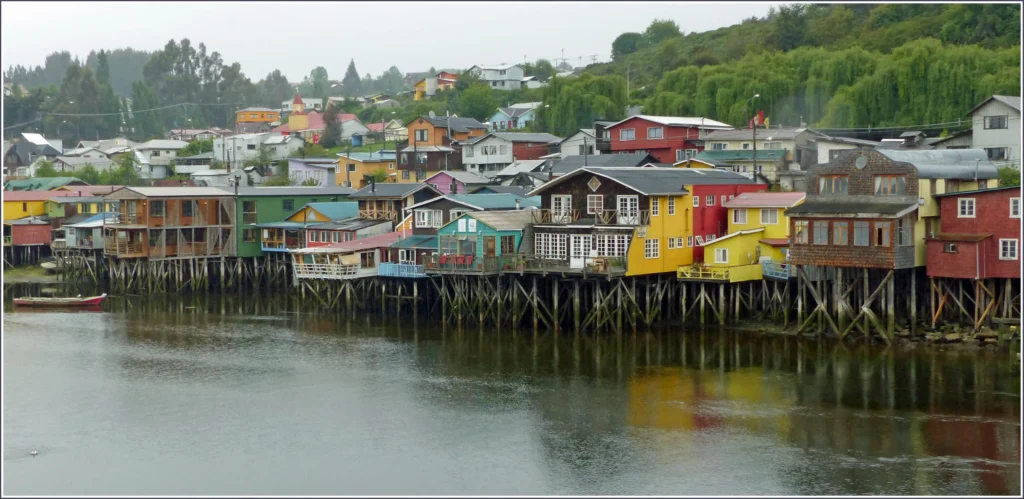
Chiloé Archipelago

Chiloé: Mythology and Magic

For those seeking the “undiscovered,” the Chiloé Archipelago is the trend to watch. Known for its colorful palafitos (stilt houses) and 16 UNESCO-listed wooden churches, this island feels like a different world. In 2026, Chiloé is focusing on “Ancestral Gastronomy”—don’t leave without trying Curanto, a traditional feast of seafood and meat slow-cooked in a hole in the ground covered with giant nalca leaves.

💡 Pro Tip: Reach this magical island by flying from Santiago to Castro (MHC). Iberia’s increased capacity to Chile in 2026 means domestic connections are more frequent and affordable than ever.

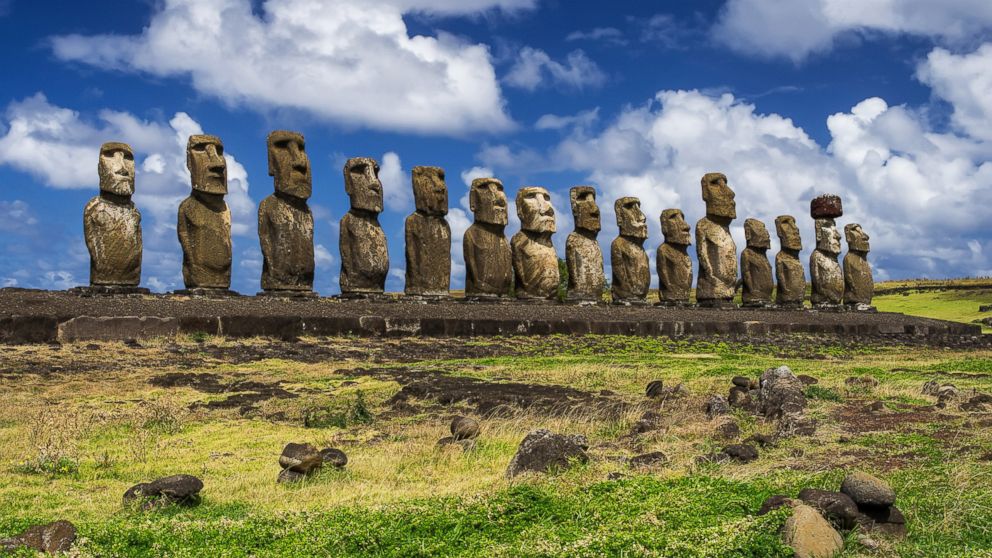
Easter Island

Rapa Nui (Easter Island): The Ultimate Sanctuary

Isolated in the middle of the Pacific, Easter Island remains one of the most mysterious places on the planet. In 2026, entry requirements have moved entirely online to protect the island’s fragile ecosystem. You’ll need a licensed guide to visit the Moai statues, but the reward is a silent, spiritual connection to a lost civilization that few ever get to experience.

💡 Pro Tip: Flights to Rapa Nui depart exclusively from Santiago. Since these flights are often high-demand, booking your Iberia flight to Santiago during the Woffer Sale allows you to put those savings toward the premium cost of the Rapa Nui leg.

10-Day “Ultimate Chile” Itinerary 

To make the most of your 2026 trip, we’ve designed a high-efficiency itinerary that covers the “must-sees” while leaving room for the “Slow Travel” experiences trending this year.

Phase 1: The High Altitude North (Days 1–4)

Day 1: Arrival in Santiago. Land at SCL and head to the Lastarria district.

Day 2: San Pedro de Atacama. Catch a 2-hour flight to Calama. Experience the sunset at Valle de la Luna (Moon Valley), where the rocks glow purple and gold.

Day 3: Geysers & Lagoons. Wake up at 4:00 AM for the Tatio Geysers, then float in the salt-dense Laguna Cejar.

Day 4: Stargazing. Visit the Atacama Salt Flat by day and join a world-class astronomy tour by night.

Phase 2: The Heart & Soul (Days 5–6)

Day 5: The Wine Valleys. Fly back to Santiago and head to the Colchagua or Maipo Valley. Chile’s 2026 wine scene is focused on “Ancestral Vines”—try the revitalized País grape varieties.

Day 6: Valparaíso. A day trip to this UNESCO port city. Ride the historic funiculars and explore the “chaos of color” in the street art of Cerro Alegre.

Phase 3: Deep Patagonia (Days 7–10)

Day 7: The Southern Gateway. Fly from Santiago to Puerto Natales (PNT). In 2026, direct flight frequencies have increased by 20%, making Patagonia more accessible than ever.

Day 8: Torres del Paine. Travel to the National Park. Hike to the Base of the Towers (Mirador Las Torres).

Day 9: Glaciers & Wildlife. Take a navigation tour to Grey Glacier or go puma-tracking with certified eco-guides—a top trend for 2026

Day 10: Farewell Santiago. One last pisco sour in the Lastarria neighborhood before your Iberia flight home.

💡 Pro Tip: Use LATAM or Sky Airline for domestic routes. Both airlines offer direct flights from Santiago to Calama (for Atacama) and Puerto Natales (for Patagonia). Puerto Natales (PNT) is a seasonal airport; if flights are full, fly to Punta Arenas (PUQ) and take a 3-hour bus to Natales.
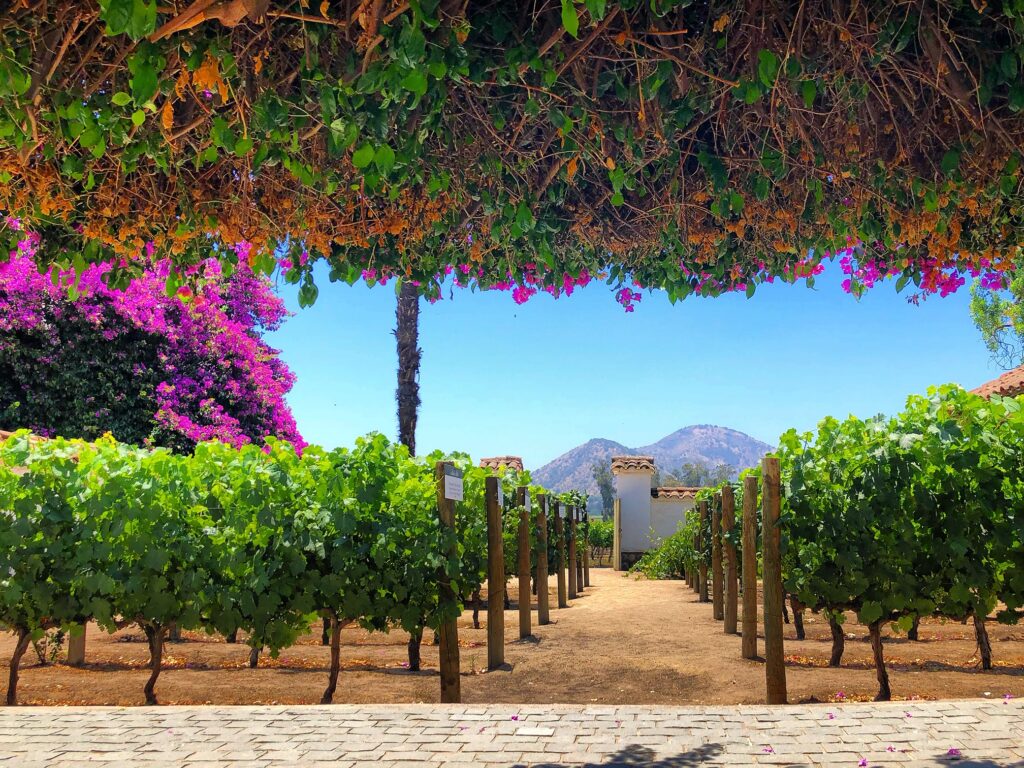
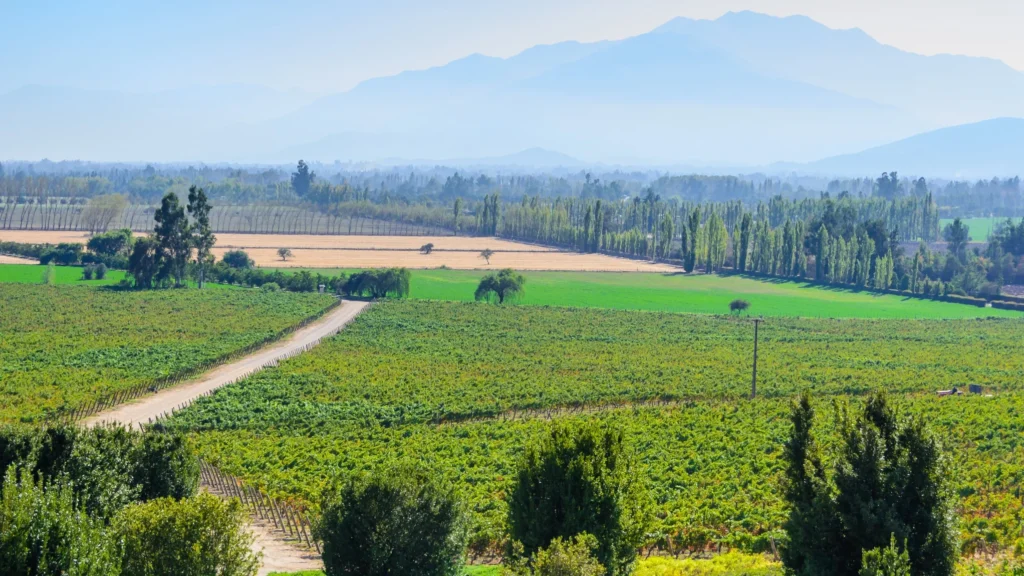
Maipo Valley - Wine Testing Experience

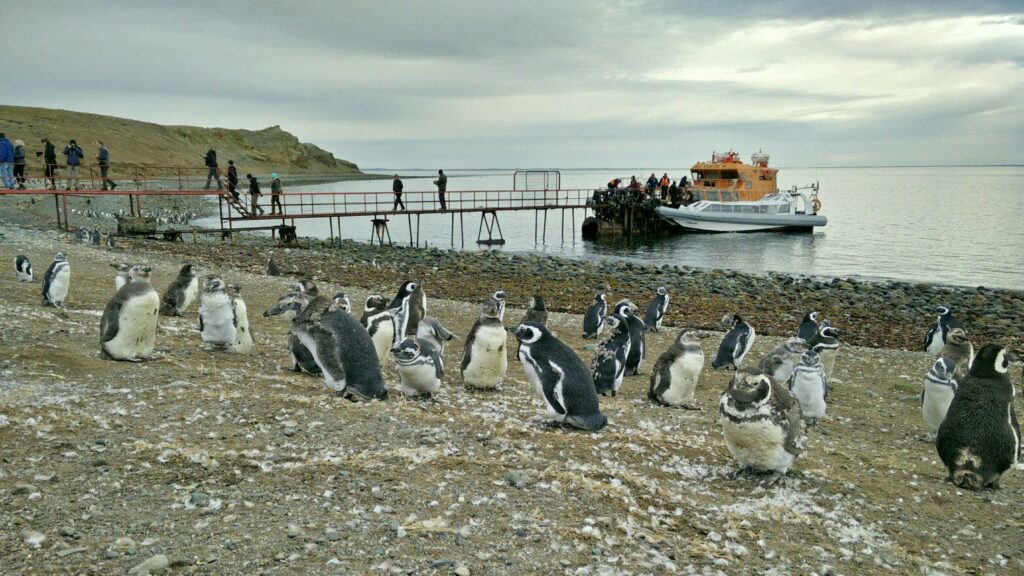
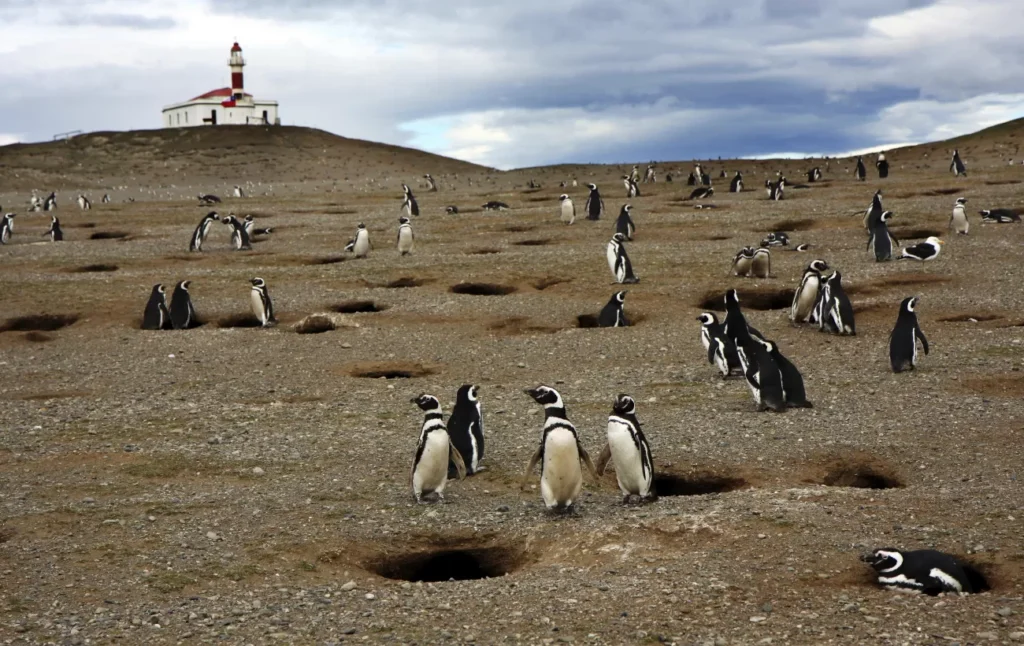
Alternatively, you can visit Magdalena Island penguin colony upon your transfer to Punta Arenas. Magdalena Island is a premier wildlife sanctuary in the Strait of Magellan, famous for hosting over 60,000 breeding pairs of Magellanic penguins within the protected Los Pingüinos Natural Monument. A visit offers a rare, immersive experience where you can walk along a guided 850-meter trail as curious penguins waddle just inches away, providing unmatched photography opportunities in their raw, natural habitat. Beyond the colony, the island is crowned by a historic 1902 lighthouse offering panoramic views of the rugged Patagonian seascape, while the surrounding waters frequently reveal sea lions, cormorants, and dolphins. To reach this “end of the world” marvel, travelers typically take a two-hour ferry or catamaran from Punta Arenas between October and March, making it an essential high-latitude adventure for anyone exploring the southern frontier of Chile in 2026. 

Magdalena Island-Patagonia

Another pro tip from Suzy; if you are planning your Chile 2026 trip, choosing between Maipo and Colchagua (or visiting both) depends on how much time you have and what kind of wine you prefer.

Choose Maipo Valley if…

You are short on time. Because it literally borders Santiago’s suburbs, you can visit world-famous estates like Concha y Toro or Santa Rita in a single afternoon. It is the historic heart of Chilean wine, where the first vines were planted in the 1500s.

Choose Colchagua Valley if…

You want the ultimate “Wine Destination” experience. This valley was designed for tourism. Staying in the town of Santa Cruz allows you to visit cutting-edge wineries like Clos Apalta (famous for its stunning architecture) or Viu Manent. In 2026, it remains the top choice for travelers looking for high-end vineyard hotels and fine dining.

Many travelers flying in for the Iberia Woffer campaign (ending Jan 26) use the savings to book a 2-night “Slow Travel” retreat in Colchagua. It’s the perfect way to recover from a long-haul flight before heading north to the desert or south to Patagonia.