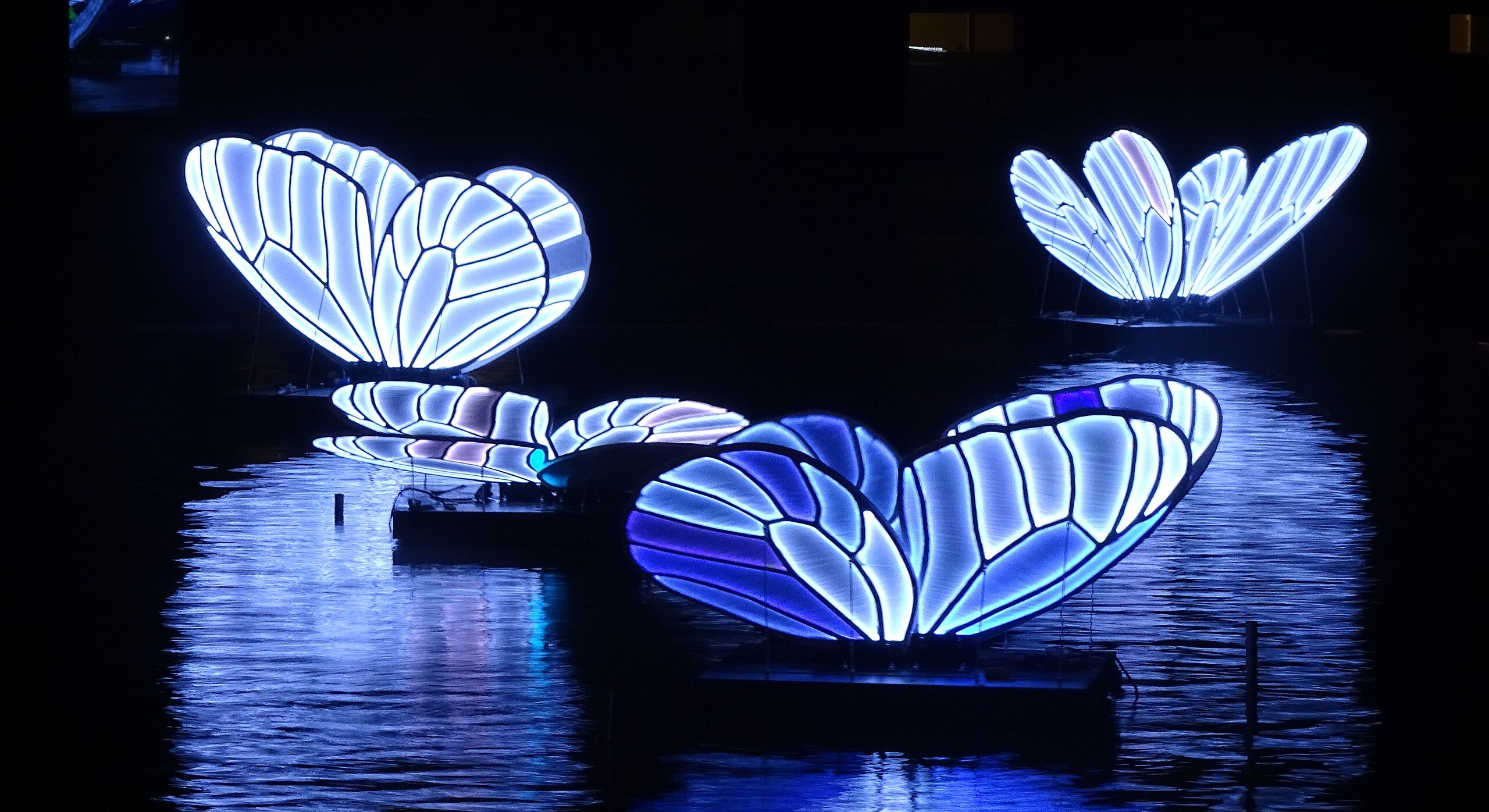
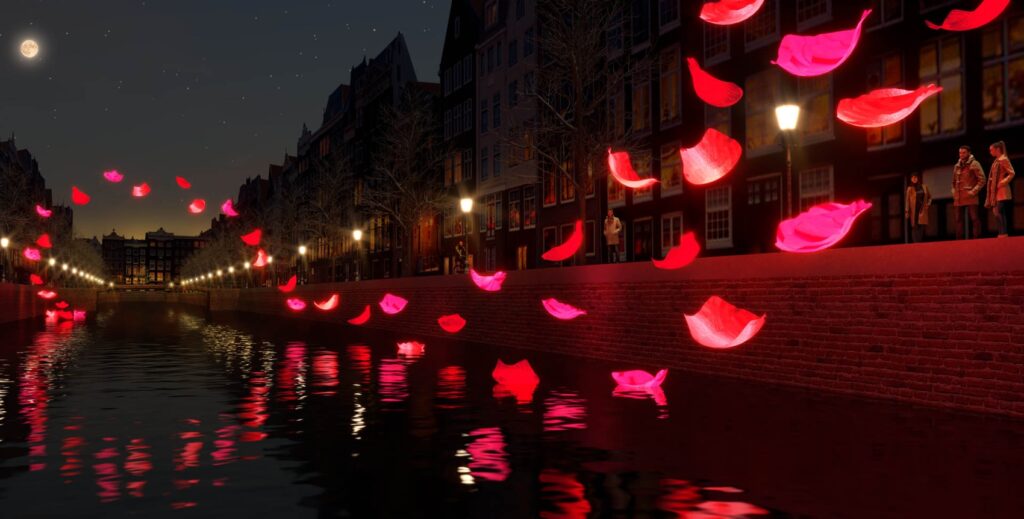
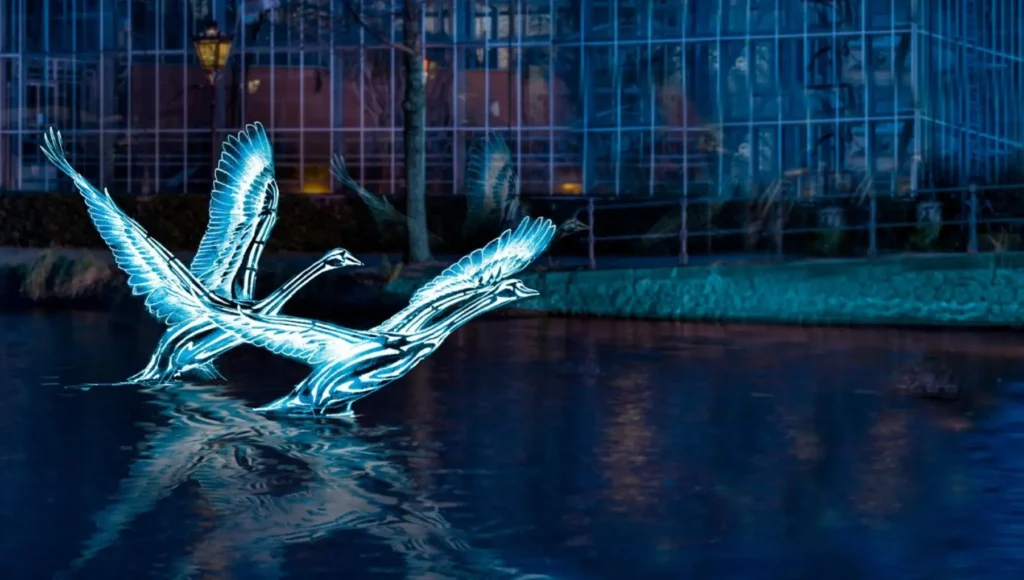
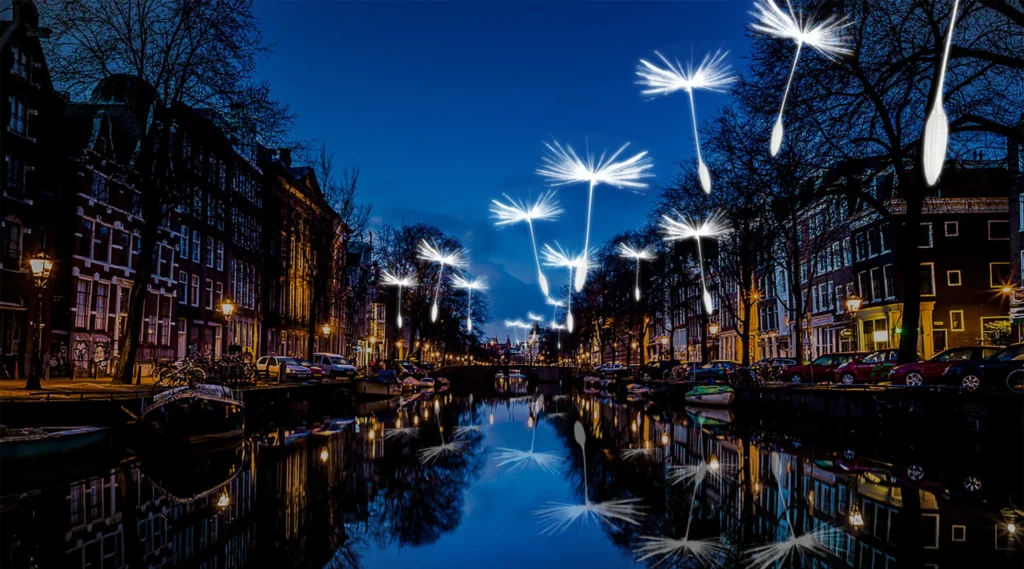
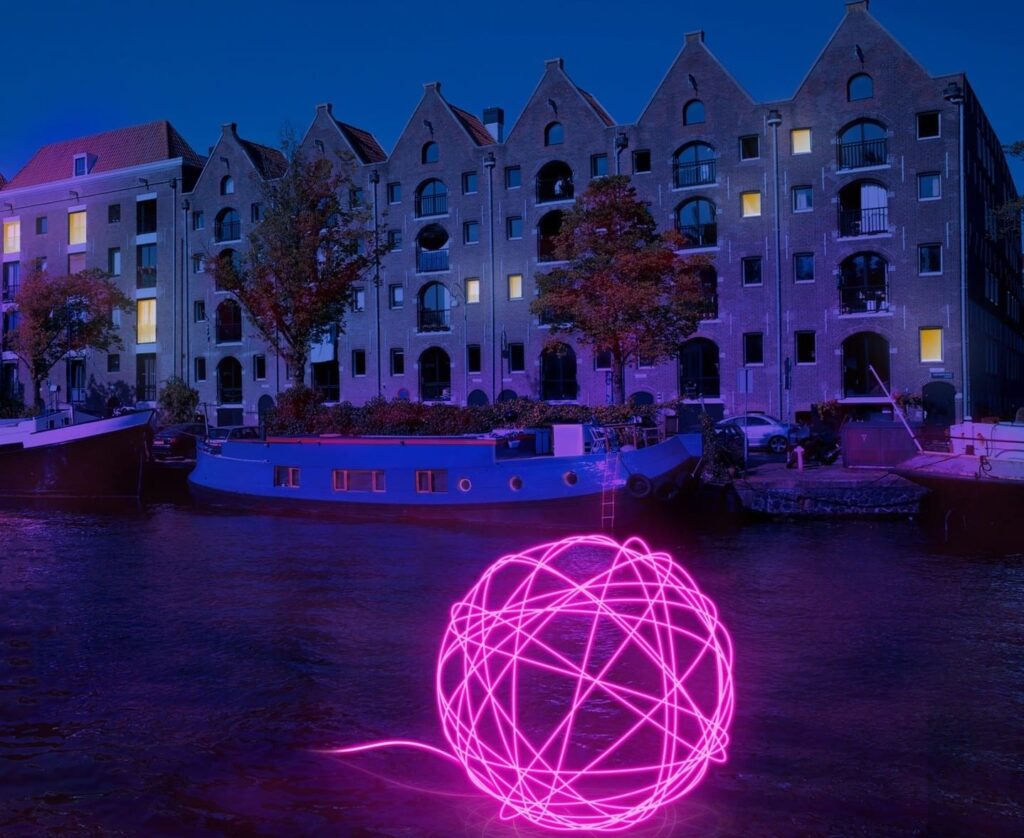
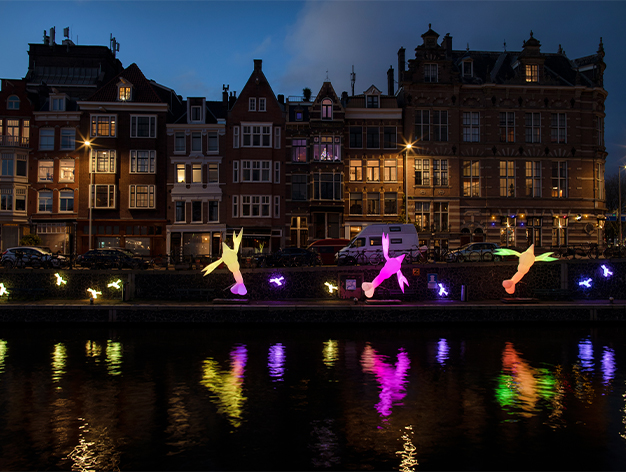
The Amsterdam Light Festival is not merely an event; it is an annual reimagining of one of the world’s most beautiful cities. As the relentless Dutch winter draws its dark, cold veil, a brilliant, heart-warming spectacle bursts forth from the tranquil, inky canals. For me, it has become an indispensable ritual – a luminous, month-long pilgrimage that transforms the historic canal ring into a breathtaking, open-air gallery.
If you’re wondering whether the Amsterdam Light Festival 2025 is worth it, I want to take you back through my most cherished experiences from previous years when I was able to turn the grey gloom of winter into colour and wonder.
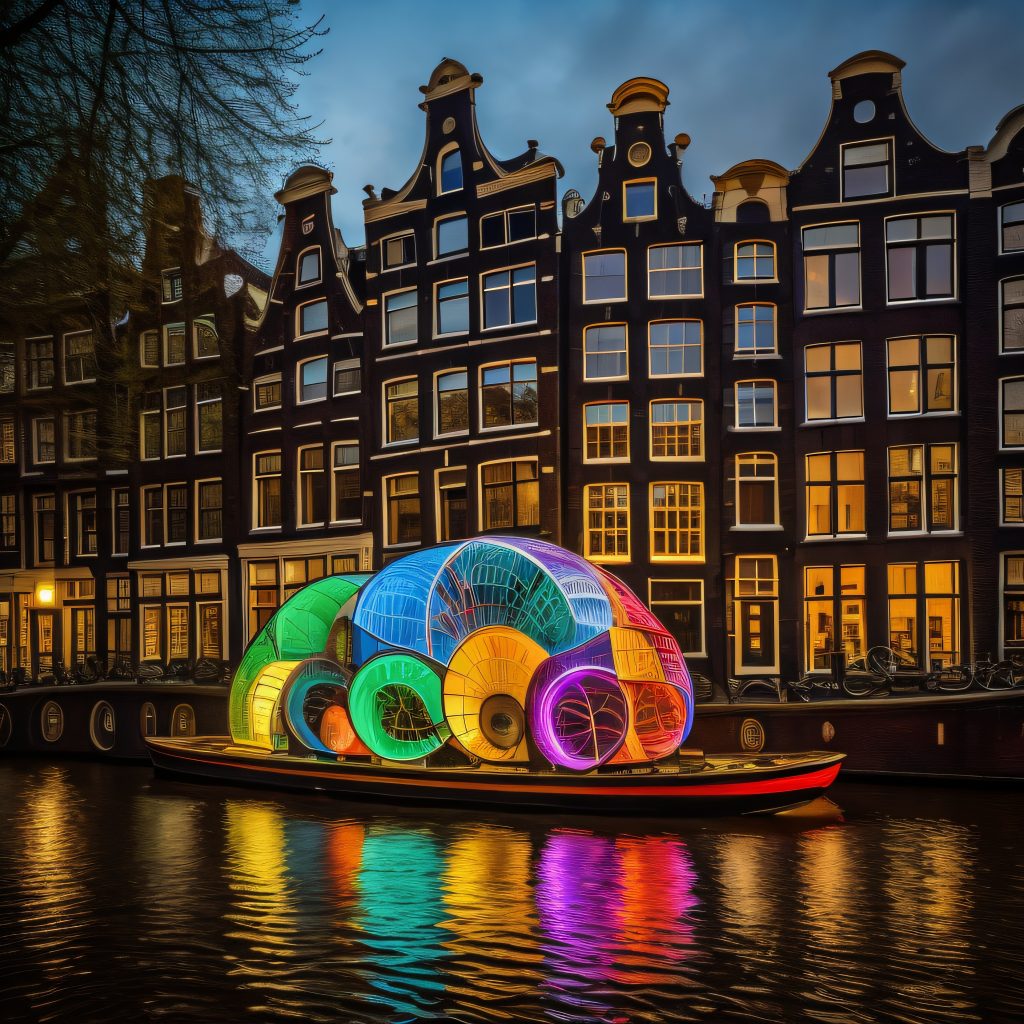
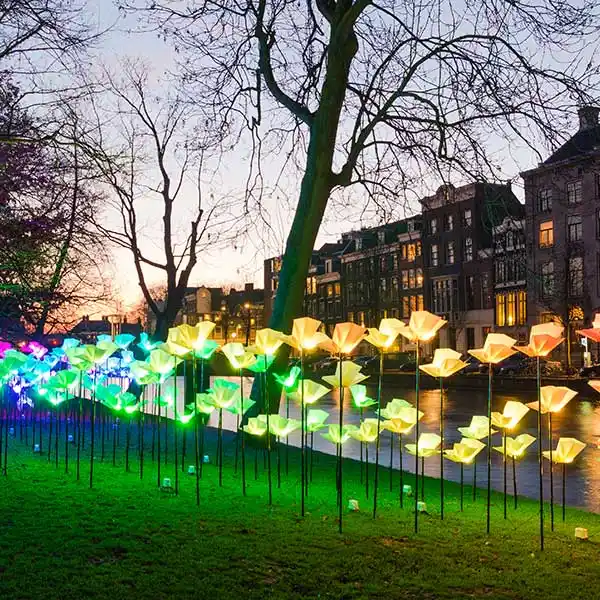
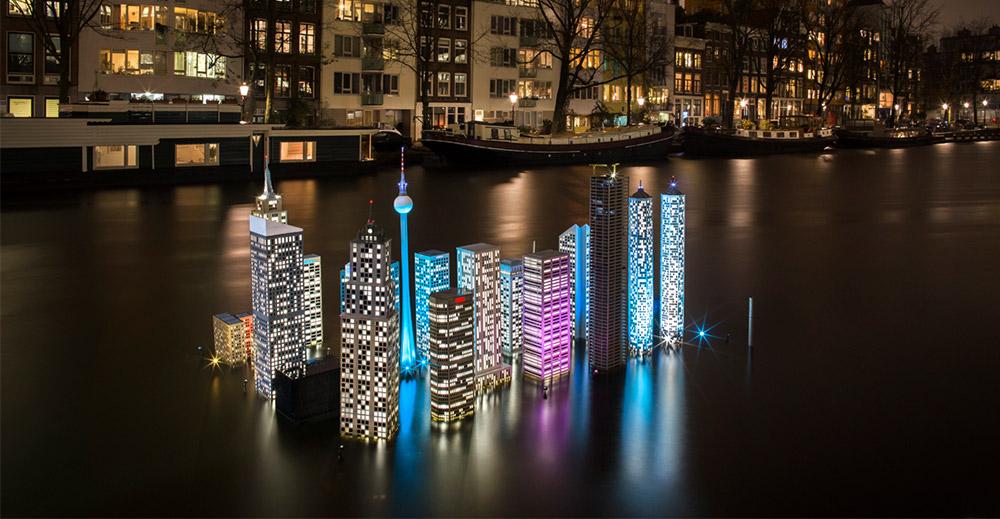
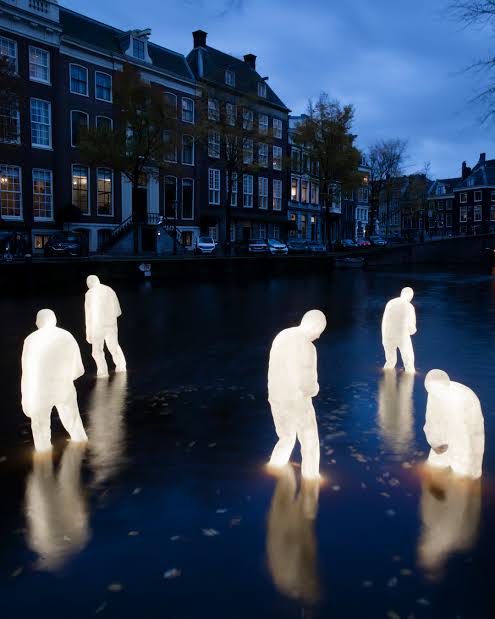
The true genius of the Amsterdam Light Festival lies in its seamless integration with the city’s unique architecture. Unlike a museum, where art is confined by walls, this festival uses the entire urban fabric as its canvas. The ancient, gabled houses, the elegant arch of a bridge, and the liquid mirror of the canals all become active participants in the artwork.
The primary and most iconic route, often called Water Colors, takes place along the famed Herengracht, Keizersgracht, and the Amstel River. This is the heart of the experience, and the reason why the canal cruise remains the most popular way to see the festival. Sailing through the darkness, you are not just a spectator; you are moving through a constantly changing gallery. The water does more than merely reflect the light; it doubles the spectacle, blurring the line between the installation above and its shimmering reflection below. This liquid echo adds a hypnotic, almost otherworldly quality to the experience.

The festival, which formally launched in 2012, is built upon a tradition that dates back to the 1920s when light art first became popular in Europe with events like the Edison Light Week. What started as a modest Christmas Canal Parade evolved into an international showcase for light art, establishing itself as a cornerstone of Amsterdam’s winter calendar. Each year brings a new central theme, challenging international artists, architects, and designers to interpret a concept—from “Disrupt!” to “Imagine Beyond,” “Rituals,” or even “Existential Well-Being”—using light as their medium. This thematic approach keeps the festival fresh, ensuring that every edition is a completely unique conversation between art, technology, and the city’s historical soul.
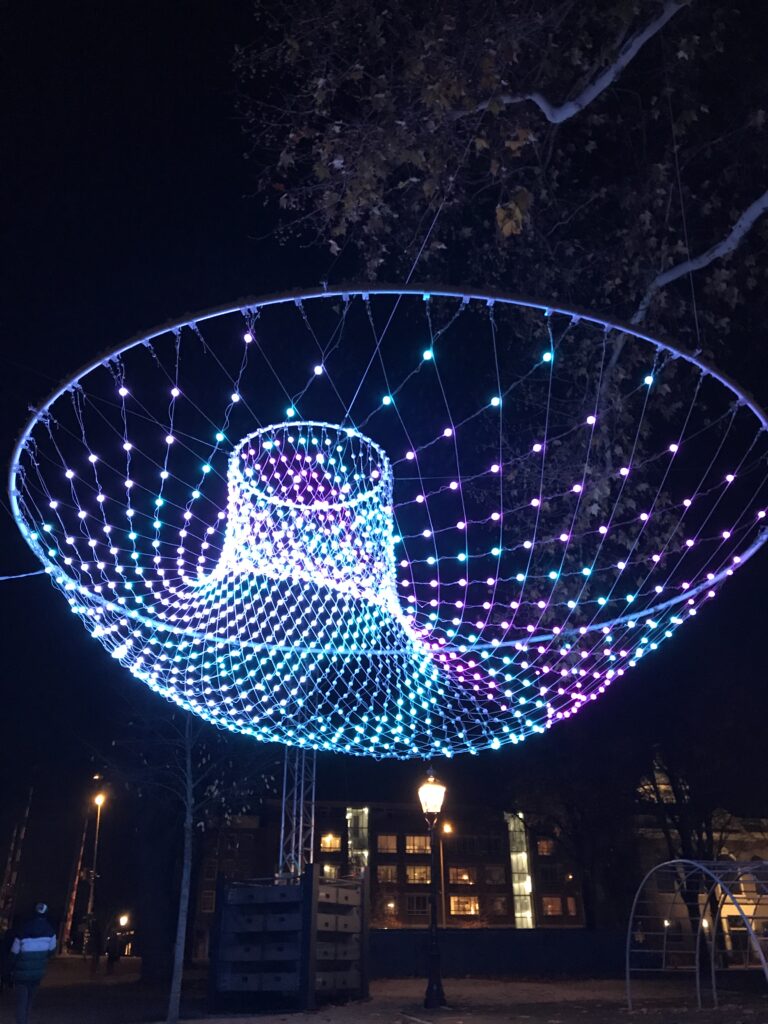
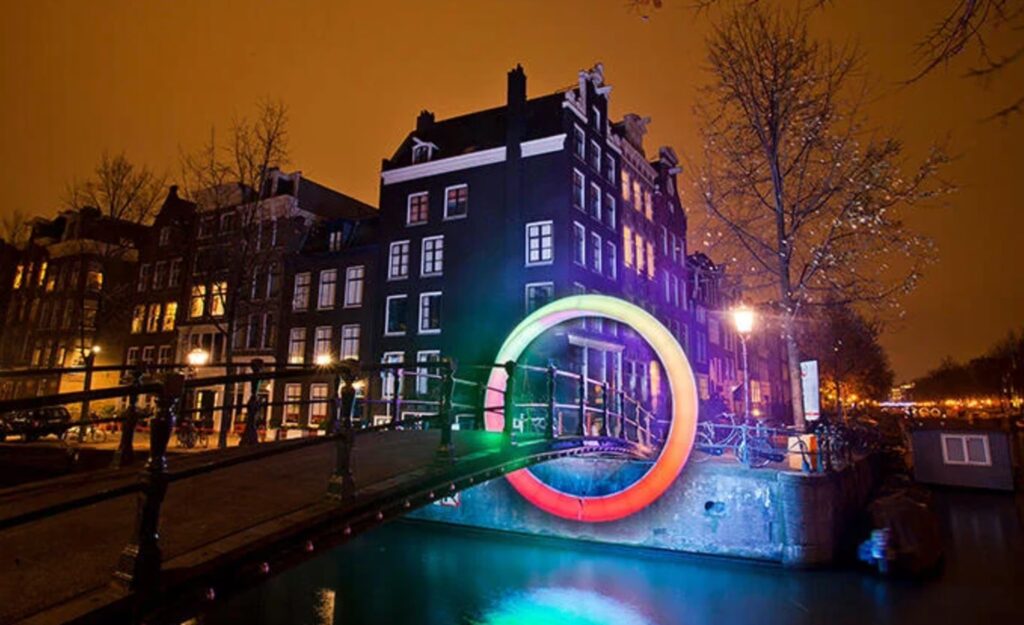
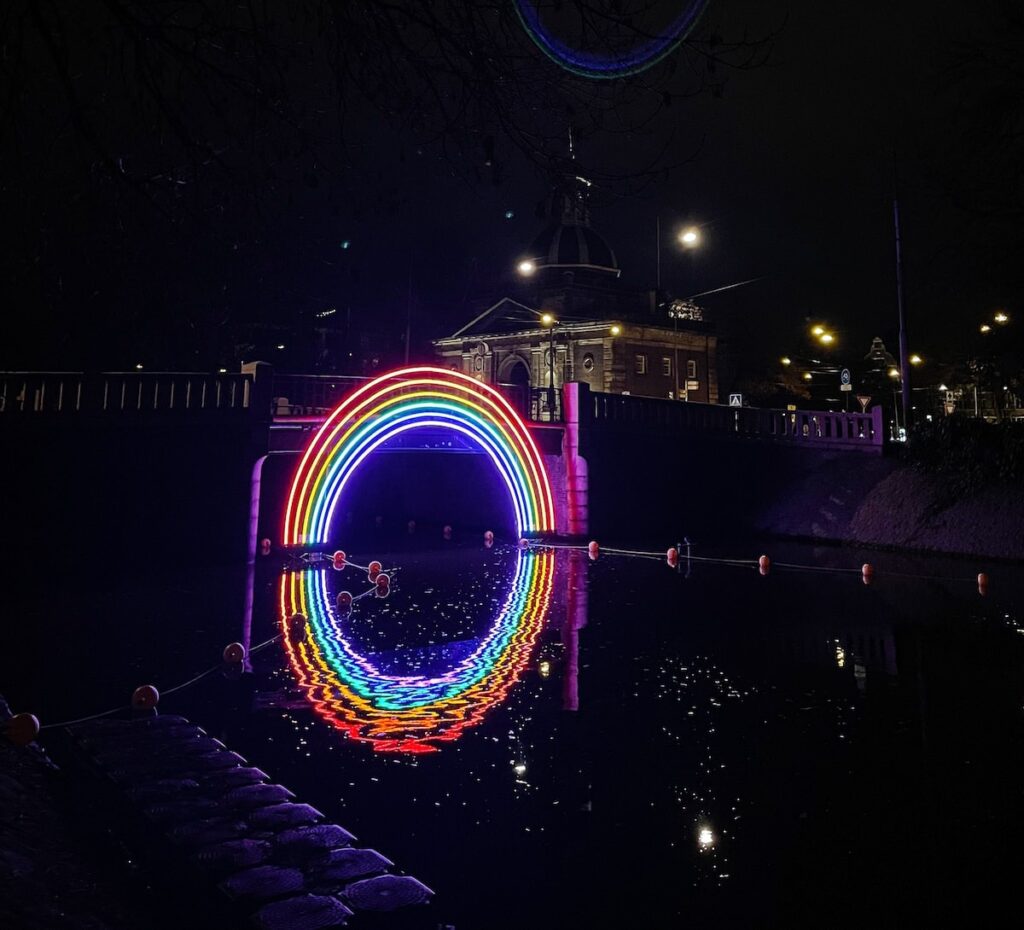
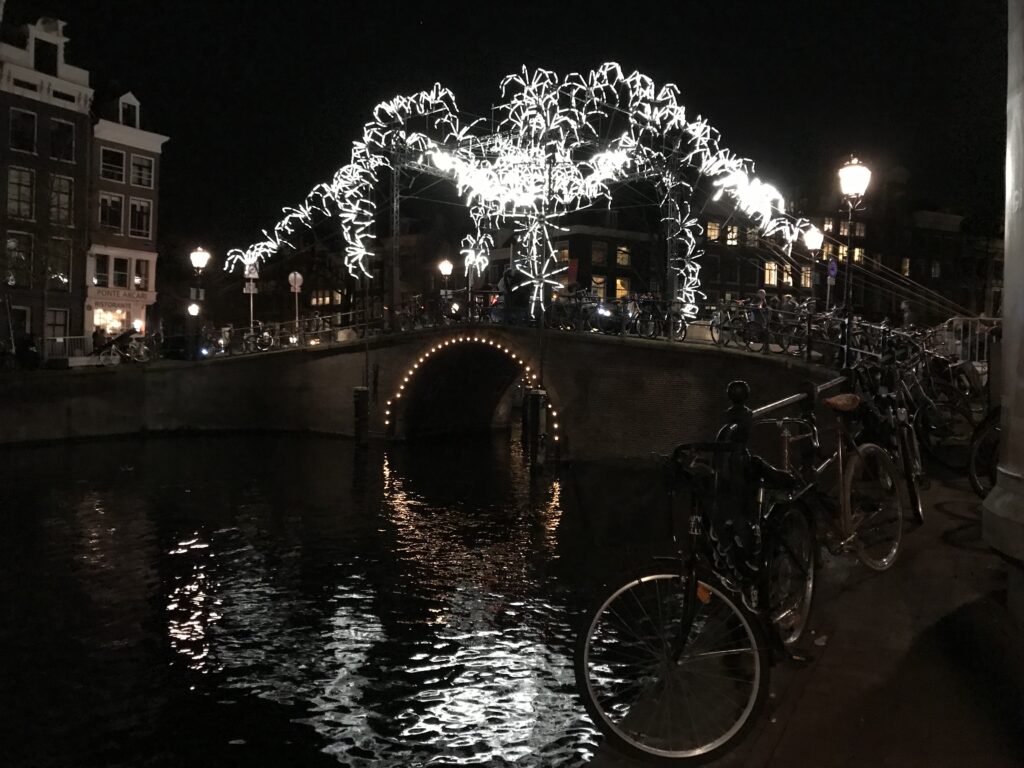
One year (2018) I was completely transfixed by an installation that hung over the Amstel, an immense, swirling net of light like an interstellar fishing catch. It was titled ‘1.26 Amsterdam’ by Janet Echelman, and it felt like the very wind and atmosphere of the city were being woven into its pulsing form. Seeing that monumental piece sway against the black night sky, its colours bleeding into the river below, truly cemented for me the scale of this festival. In another unforgettable edition, I encountered a work called ‘Whole Hole’ by Vendel & De Wolf, which used one of Amsterdam’s classic arch bridges as a screen for a pulsating, hypnotic light pattern. From a distance, it looked like a portal was opening into a different dimension. The brilliance of it was how it took an existing piece of architecture, a simple stone bridge, and made you see it as a gateway, transforming the mundane into the miraculous.
This commitment to contemporary relevance continues with Edition 14, which runs from November 27, 2025, to January 18, 2026. The powerful theme for this edition is “Legacy,” a concept that challenges artists and viewers alike to consider the impact we leave behind, encompassing everything from ecological traces to personal and cultural heritage and how we envision the future of our society. This focus provides the framework for approximately 20 to 27 new light artworks carefully curated to interact with Amsterdam’s unique cityscape.
To fully appreciate these commissioned works, visitors have two excellent options. While the canal cruise along the Water Colors route remains the most immersive way to experience the art, offering optimal viewing angles for the installations, the festival also offers a detailed walking route of approximately 6.5 kilometers. This walking route allows for a more intimate and closer appreciation of the light sculptures and projections. The lights are generally active daily from 5:00 PM, staying illuminated until 10:00 PM from Sunday to Tuesday, and extending until 11:00 PM from Wednesday to Saturday, with similar extended hours during the Christmas holiday period.
Beyond the aesthetics, the Amsterdam Light Festival is a non-profit initiative dedicated to cultural accessibility and sustainability. It serves as a vital international platform for both established and emerging light artists, while maintaining a strong commitment to environmental responsibility. The entire exhibition is remarkably energy-efficient, using an amount of energy for its over 50 days of operation that is comparable to the consumption of just two football matches in a stadium. This dedication to art, community, and ecology ensures the festival is not just a passing spectacle but a cornerstone event that continues to “enlighten, connect, and enrich” Amsterdam during the darkest time of the year.
To help you stay close to the Amsterdam Light Festival canal cruise starting points and other excursions, here are some of the best-rated 4 and 5-star hotels near the areas where the festival takes place (based on a search for a one-night stay from November 13-14, 2025). The canal cruise excursions for the festival often depart from locations near Amsterdam Centraal Station, the Oosterdok, and the lively canal belt.
- Met Hotel Amsterdam: a 4-star hotel with warmly decorated rooms and contemporary bar. The average user rating on booking sites is 4.7 over 5 and the average price is €93.
- Sebastian’s: a 4-star chic hotel in a townhouse with canal views and luxurious design. The average user rating on booking sites is 4.6 over 5 and the average price is €127.
- If Boutique Hotel: a 4-star boutique hotel which provides frequent last-minute deals with reasonable prices. The average user rating on booking sites is 4.6 over 5 and the average price is €100.
- Mercure Amsterdam North Station: a 4-star hotel with outstandingly convenient location at North Station for easy access to the city center. The average user rating on booking sites is 4.6 over 5 and the average price is €88.
- Inntel Hotels Amsterdam Zaandam: a 4-star hotel with eclectic structure, inspiring decor, restaurant and spa. The average user rating on booking sites is 4.5 over 5 and the average price is €113.
As stated on an informative panel at festival area, light always takes a moment to travel from one point to another – one second to cover 300.000 kilometres to be precise. This means that that light brings us is always dated. As in many of her works, interdisciplinary artist Alicia Eggert uses a poetic statement, written in light that changes meaning with a small intervention. Part of the text occasionally switches off, making another message become visible: ‘ All You See is Past’ in a short while, we too will belong to past.’ She derives her inspiration from physics and philosophy, and her work is rooted in her struggle to understand the linear and finite nature of human life within a seemingly infinite universe. She has been a recipient of numerous honors, including a TED Fellowship.
The artwork is described as a memento mori (a reflection on mortality), reminding viewers that just like the light, we too will eventually belong to the past. Her sculptures have been installed on bridges in Amsterdam as part of the festival. The Amsterdam Light Festival has also used her work, “All the light you see,” as an artist impression image when discussing the “Legacy” theme for the upcoming 14th edition.
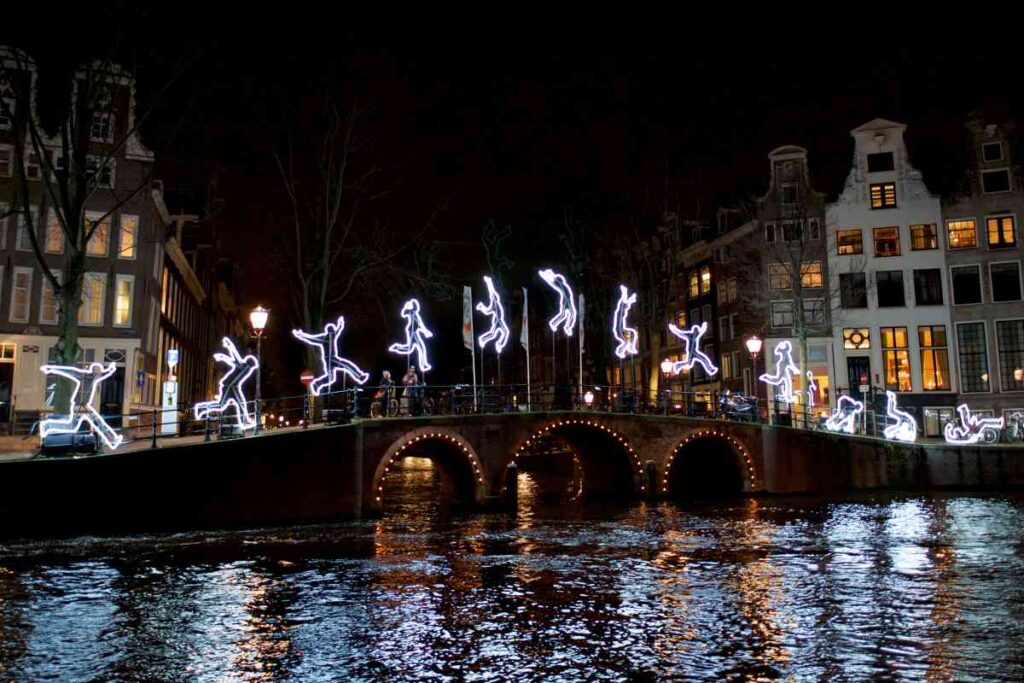
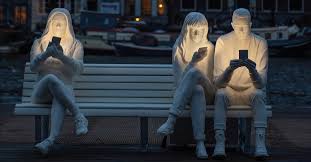
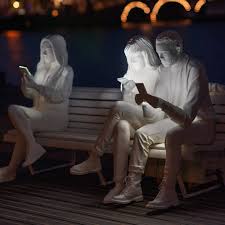
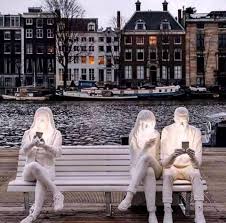
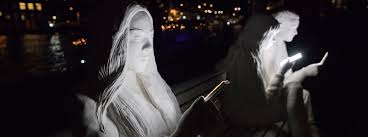
The other notable artists of the 14th edition are Julian Opie globally renowned artist known for his distinctive style that blends minimalism with pop art, who has contributed works like “Crows” and “Walking in Amsterdam.” and Javier Riera known for his powerful land art that involves projecting geometric light patterns onto natural landscapes and buildings, including multiple pieces for the “Rituals” edition. Moreover, Gali May Lucas presented her work, “Absorbed by Light” (2018), which was particularly well-known for depicting three figures sitting on a bench, completely engrossed in their glowing smartphones, as a comment on digital addiction.
A few popular artworks from previous festivals have been made permanent additions to the city, including:
“Today I Love You” by Massimo Uberti and Marco Pollice (placed permanently on the facade of the Amsterdam UMC policlinic).
“178 Bottles, 1 Message” by Tijdmakers (located at Station Sloterdijk, representing the 178 nationalities in Amsterdam).
When the dark canals of Amsterdam are transformed into an ephemeral gallery of brilliance, you realize this isn’t just an exhibition; it’s a profound, unique conversation between 17th-century history and 21st-century light art. This is why the Amsterdam Light Festival is a lifetime experience.
The 14th edition in 2025/2026, themed “Legacy,” promises to be especially powerful because it forces a contemplation of your own mark on the world. As spectacular light installations illuminate the historic bridges and canal houses, they will ask: What do we leave behind? This theme elevates the experience from mere visual spectacle to shared philosophical reflection. You don’t just see the light; you become part of an urgent, global dialogue, making this winter journey an unforgettable moment of collective wonder and personal introspection. Go, and hold that memory close, for the Amsterdam Light Festival is the fleeting, glowing masterpiece of a lifetime.