


If you’re looking for a destination that doesn’t just offer beautiful sights but a tangible, electric energy, then you need to pack your bags for Rio de Janeiro. This isn’t just a place—it’s a rhythm, a feeling, a vibrant blend of stunning nature, deep history, and an irresistible zest for life. Forget the postcards for a moment; let’s dive into the true heart of the Cidade Maravilhosa (Marvelous City).
What truly sets Rio apart is the spirit of its people, the Cariocas. Their life is lived outdoors and in the moment, defined by a vibrant culture born from a unique mix of indigenous, African, and Portuguese heritage. Rio is the birthplace of these iconic musical styles. You can feel the pulsating beat of Samba in the streets and clubs, especially in the lively Lapa district, or hear the sultry, laid-back cool of Bossa Nova echoing from a beachfront bar. Music isn’t just entertainment here; it’s the city’s continuous, infectious soundtrack. Copacabana and Ipanema aren’t just stretches of sand—they are democratic, open-air social clubs. They are where families gather, athletes train, vendors sell iced mate tea and Globo biscuits, and people watch the sunset. This open, communal beach culture is the truest expression of the Carioca lifestyle.
Founded by the Portuguese in 1565, Rio served as the capital of the Portuguese Empire outside of Europe (1808-1821) and later as Brazil’s capital until 1960. A darker part of its past includes the Valongo Wharf, a UNESCO World Heritage site and the largest point of entry for enslaved Africans in the Americas. Exploring the historical center—with its colonial architecture, the Imperial Palace, and the stunning Confeitaria Colombo—reveals these layers of history, from royal pomp to the roots of Afro-Brazilian culture.
Copacabana is the place where I stayed in Rio. Staying in Copacabana meant, my Rio adventure began right at the epicenter of the city’s glamour, history, and daily life. It’s impossible to talk about Rio without mentioning “Copa”—it truly embodies the spirit of the Carioca. Copacabana is more than just a beach; it is a cultural monument. It earned its nickname, A Princesinha do Mar (The Little Princess of the Sea), for its stunning crescent-shaped coastline and its history as the playground for the international elite. Originally a small fishing village known as Sacopenapã, the area’s destiny changed dramatically starting in 1746 when a chapel dedicated to Our Lady of Copacabana—a figure revered in Bolivia—was built on the rocky outcrop now occupied by the Copacabana Fort, giving the neighborhood its iconic, new name. This transformation accelerated significantly with the opening of the first tunnel connecting Copacabana to the rest of the city in 1892, which was a true game-changer, quickly turning the isolated village into a desirable urban suburb. The final piece of its global recognition was secured in 1923 with the opening of the legendary Copacabana Palace Hotel, marking the beginning of its “Golden Age” throughout the 1930s, 40s, and 50s, during which Copacabana cemented its status as a legendary destination that attracted Hollywood stars, royalty, and international jet-setters, serving as the glamorous backdrop for classic Bossa Nova songs and unforgettable parties.
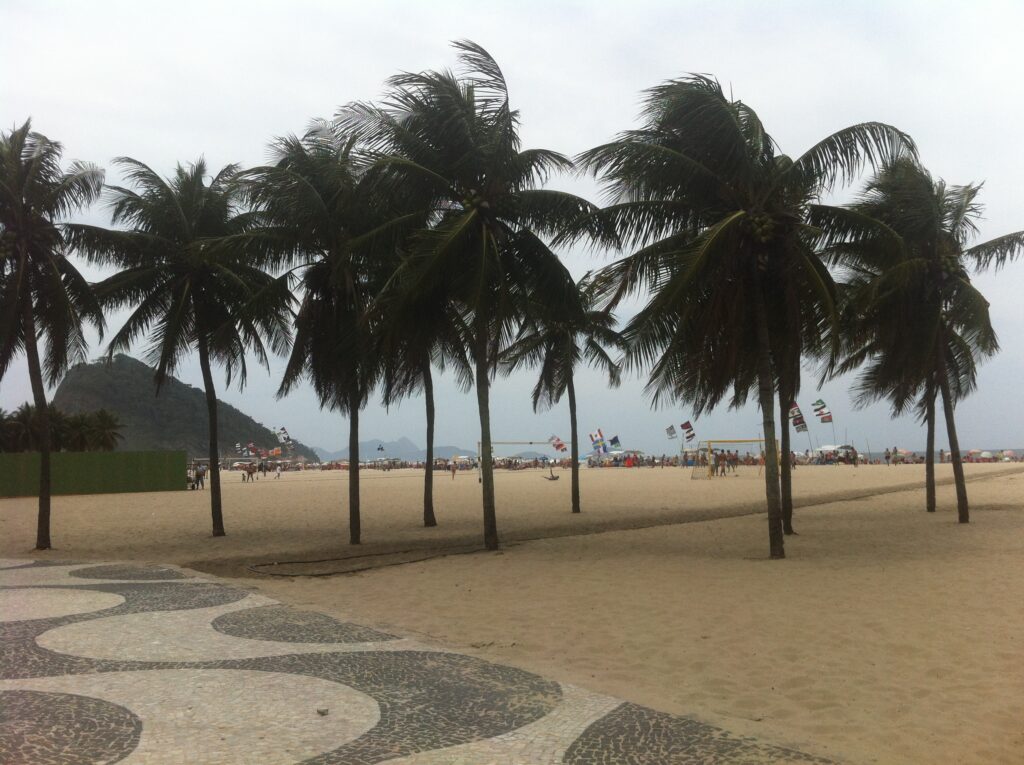
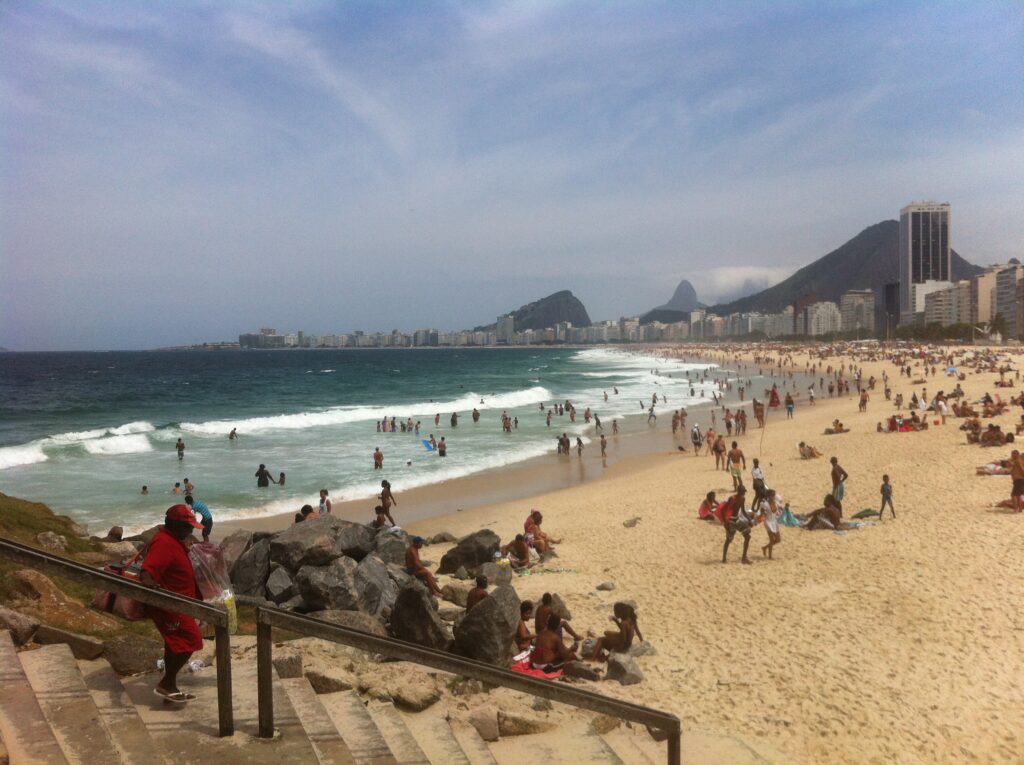
The iconic, black-and-white wave mosaic sidewalk (calçadão) running along Avenida Atlântica is instantly recognizable and perfectly symbolizes the ocean’s movement. Designed by Roberto Burle Marx, this Portuguese stone pavement is a work of art in itself. It’s the central artery of the neighborhood, used for everything from jogging and cycling to late-night strolling, people-watching, and accessing the beach kiosks.
The beach itself is segmented by postos (lifeguard stations, numbered 1 through 6). While the entire beach is public, each post develops its own subtle identity:
Posto 2: Traditionally known for fishermen and their colorful boats.
Posto 3: Near the Copacabana Palace, it retains a touch of its old glamour.
Posto 6: Closer to Leme, it’s a quieter area, often used for kayaking and stand-up paddleboarding.
On the sand, you can witness the Cariocas at their most active: incredible beach soccer and volleyball games, competitive footvolley, and the constant flow of vendors selling everything from swimwear and sun hats to cold cerveja (beer) and delicious churrasquinho (small skewers of grilled meat).
Located on the far southern end of the beach, this historical military base offers one of the best perspectives of the whole Copacabana crescent. Visit the fort for breakfast or an afternoon snack at the famous Café 18 do Forte or Confeitaria Colombo outpost. The outdoor seating offers unparalleled views across the entire beach, making it a spectacular photo opportunity. It houses the Army Historical Museum and played a significant role in Brazilian military history, including a famous rebellion in 1922.
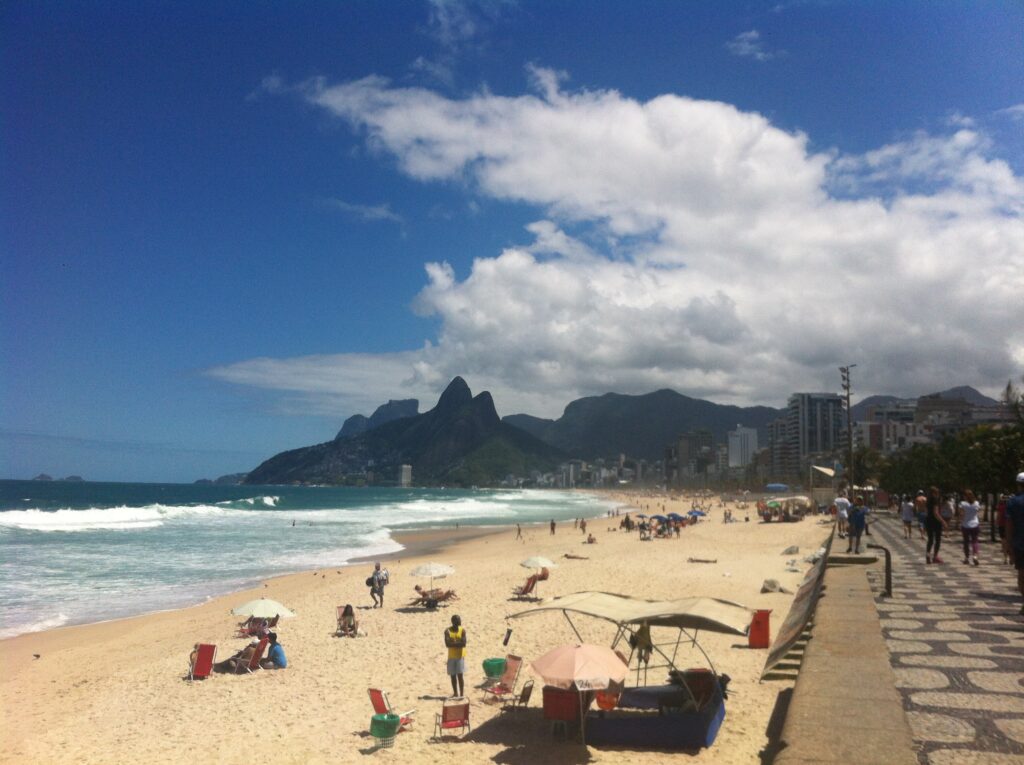

Ipanema, a Tupi-Guarani name meaning “bad water” or “dangerous waters,” remained an isolated, undeveloped area until the late 19th century. Its official birth as a neighborhood dates to 1894, when José Antônio Moreira, the 2nd Baron of Ipanema, established the first urban settlement, Villa de Ipanema, subdividing the land and building the streets that form its elegant grid today. However, Ipanema’s true global renown arrived in the 1960s with the cultural explosion of Bossa Nova, cemented by the iconic song “Garota de Ipanema” (“The Girl from Ipanema”), composed by Antônio Carlos Jobim and Vinícius de Moraes in the Veloso bar (now the Garota de Ipanema Bar). This instantly transformed the neighborhood into a symbol of Brazilian sophistication, becoming the chosen gathering spot for artists, intellectuals, and the city’s counter-culture, and establishing it as one of Rio’s most luxurious, vibrant, and celebrated districts, framed by the breathtaking backdrop of the Dois Irmãos (Two Brothers) Mountains. panema offers a distinct and slightly more sophisticated energy than Copacabana, blending high fashion, art, and the famous laid-back beach culture.
Here are the best things to do and experience in the Ipanema neighborhood:
Witness the Sunset from Arpoador Rock: This is arguably the most famous sunset spot in Rio. Located between Ipanema and Copacabana, the massive Arpoador rock formation juts into the ocean and provides a stunning vantage point. Crowds gather nightly to applaud as the sun dips behind the towering Dois Irmãos Mountains.
Experience Posto 9: Ipanema Beach is divided by numbered lifeguard stations, or postos. Posto 9 is the most iconic, historically known as a bohemian, counter-cultural gathering spot popular with students, artists, and liberal-minded people. It’s a vibrant place to watch footvolley, sunbathe, and enjoy the diverse Carioca beach life.
Surf at Arpoador: The area around Arpoador is known for having some of the most consistent surf breaks in the city, and it is a popular spot for surfers.
Stroll the Calçadão: While Copacabana has the classic wave pattern, Ipanema’s beach promenade is equally elegant. It’s perfect for jogging, cycling, or just taking a leisurely walk while admiring the beautiful residential buildings along Avenida Vieira Souto.
Visit the Garota de Ipanema Bar: This is the legendary spot where composers Tom Jobim and Vinícius de Moraes frequently sat and were inspired to write “The Girl from Ipanema” in 1962. It’s a must-visit for a meal or a drink, allowing you to immerse yourself in the neighborhood’s musical heritage.
See the Tom Jobim Statue: Located near Arpoador Beach, this bronze statue of the Bossa Nova master, Antônio Carlos Jobim, walking with his guitar, is a tribute to the man who gave Ipanema its global soundtrack.
Explore the Hippie Fair (Feira Hippie): Every Sunday, Praça General Osório (General Osório Square) transforms into a massive arts and crafts market. It’s a designated Cultural Heritage of Rio, featuring hundreds of stalls selling unique jewelry, leather goods, clothes, and colorful paintings, plus delicious Bahian street food like Acarajé.
Shop the Quadrilátero do Charme: For high-end shopping, explore the “Charm Quadrilateral” centered on streets like Garcia D’Ávila and Visconde de Pirajá. This area hosts luxury international brands alongside sophisticated Brazilian designers and jewelers, reflecting Ipanema’s upscale status.
See Gems at the Amsterdam Sauer Museum: Located in the heart of the neighborhood, this museum showcases an impressive collection of rare Brazilian gemstones, including diamonds, emeralds, and sapphires.
Walk or Bike the Rodrigo de Freitas Lagoon: Just north of the neighborhood, the stunning lagoon (Lagoa) offers a peaceful retreat with a 7.5 km path perfect for walking, jogging, or renting a bike. It’s a beautiful spot surrounded by mountains, offering a different view of the city’s natural beauty.
Visit Casa de Cultura Laura Alvim: This cultural center, located right on Avenida Vieira Souto, is one of the few surviving historical mansions in the area. It now houses an art gallery, a cinema, and a café, offering a glimpse into what the neighborhood looked like before the high-rise boom.
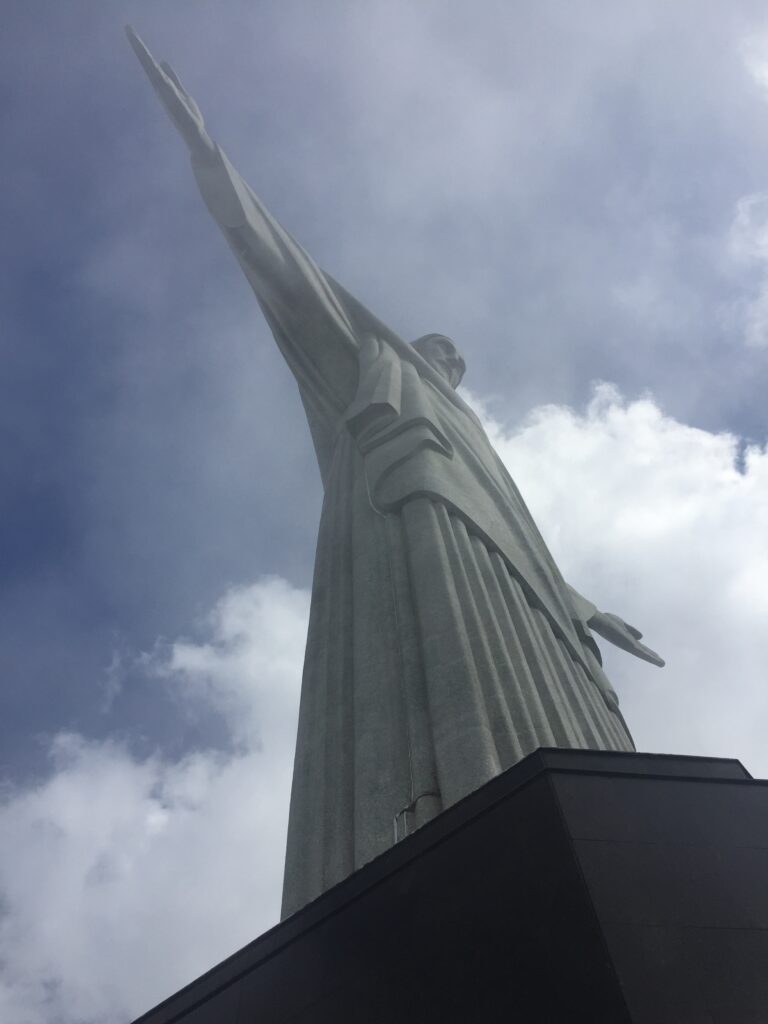

Standing a top Corcovado Mountain with open arms, Cristo Redentor; the Art Deco masterpiece is not just a statue—it’s a symbol of peace and the city’s protector. The views of Rio’s sprawl, the beaches, and the lagoon from its base are truly breathtaking.
The Cristo Redentor (Christ the Redeemer) statue is one of the world’s most recognized landmarks, an iconic symbol of Rio de Janeiro, Brazil, and a global representation of Christianity. It is located 700-meter (2,310-foot) peak in the Tijuca National Park, the largest urban rainforest in the world. The statue is 30 meters (98 feet) tall, standing on an 8-meter (26-foot) pedestal, for a total height of 38 meters (125 feet). Its outstretched arms span 28 meters (92 feet) wide. Completed in 1931, the statue is made of reinforced concrete and clad in a mosaic of thousands of triangular soapstone tiles, chosen for their resistance to erosion.
The idea for a Christian monument on Corcovado Mountain dates back to the 1850s, proposed by a Vincentian priest named Pedro Maria Boss. The idea was revived in 1921 by the Roman Catholic archdiocese of Rio, which was concerned about a perceived decline in religious faith after the separation of church and state in 1889. The colossal project was funded almost entirely by donations from the Brazilian Catholic community, a testament to the nation’s spiritual devotion. The final monument was a collaboration of international and Brazilian talent as follows:
Heitor da Silva Costa (Brazilian engineer): Developed the main concept and supervised the entire construction.
Paul Landowski (French-Polish sculptor): Sculpted the statue’s head and hands in clay in France, which were then shipped to Brazil.
Albert Caquot (French engineer): Advised on the reinforced concrete structure needed to support the statue’s unique cross-shaped design.
During construction, many women from Rio’s society manually pasted the small soapstone tiles onto strips of cloth and reportedly wrote the names of loved ones on the back of the tiles, embedding a personal and familial history into the monument itself. A small chapel, consecrated to Our Lady of Aparecida (Brazil’s patron saint), is located within the base of the statue.
To reach the monument, you can choose from a few options:
Corcovado Train (Trem do Corcovado): This is the most traditional and scenic way. The cog-wheel train takes a 20-minute journey through the lush Atlantic rainforest of Tijuca National Park, departing from the Cosme Velho station. Booking tickets online in advance is highly recommended.
Official Shuttle Vans: Official vans depart from designated locations around the city, such as Copacabana and Largo do Machado, offering direct transportation to the top.
Hiking: For the adventurous, a moderately challenging hike starts from Parque Lage and winds up through the forest.
The best time to visit is early in the morning (the first train departs around 7:20 AM) or late in the afternoon for sunset. Arriving early allows you to avoid the largest crowds and have the best chance for a clear view before the clouds or fog roll in. Escalators and elevators are available near the summit to help visitors reach the viewing platform.

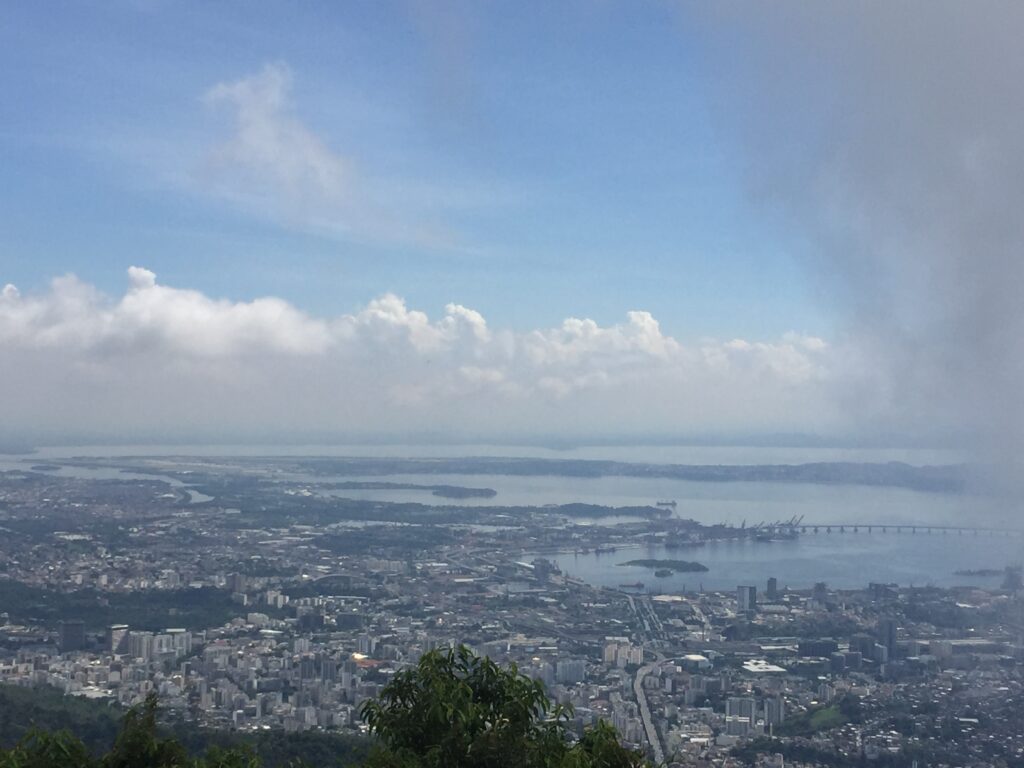


If the Christ the Redeemer statue offers a heavenly view of Rio, then Sugarloaf Mountain (Pão de Açúcar) offers the most geographically perfect, I-am-on-top-of-the-world panorama. It is one of the city’s signature lifetime experiences. The beauty of Sugarloaf lies not just in its height (396 meters / 1,299 feet) but in its dramatic positioning: a sheer, smooth granite and quartz monolith rising directly from the mouth of the Guanabara Bay.
The Portuguese name, Pão de Açúcar, translates directly to “Sugarloaf.” This name dates back to the 16th to 18th centuries, the peak of Brazil’s sugarcane trade. Producers stored refined sugar in conical clay molds for transport, and the mountain’s distinctive shape reminded settlers of these final, concentrated blocks of sugar. Geologically, Sugarloaf is an inselberg (an isolated hill or mountain) or a bornhardt, formed over 600 million years ago from granite that resisted erosion while the surrounding rock weathered away. It is a stunning example of differential erosion. The peak has been a strategic landmark since the founding of Rio de Janeiro in 1565, serving as the main reference point for entering the Guanabara Bay.
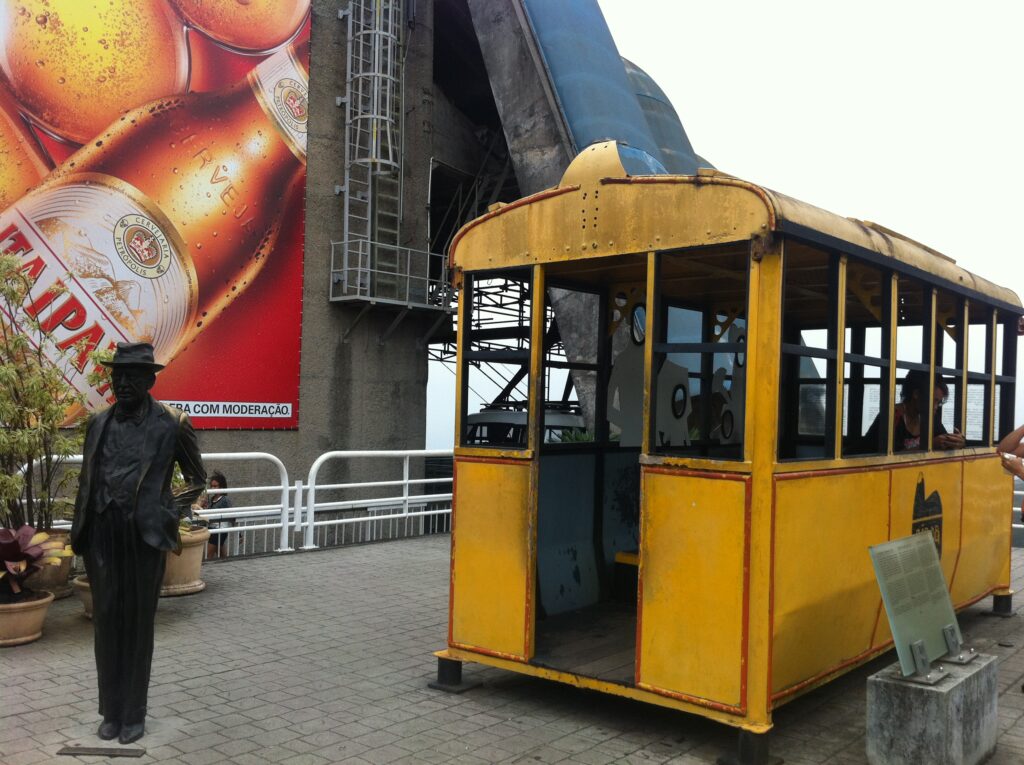
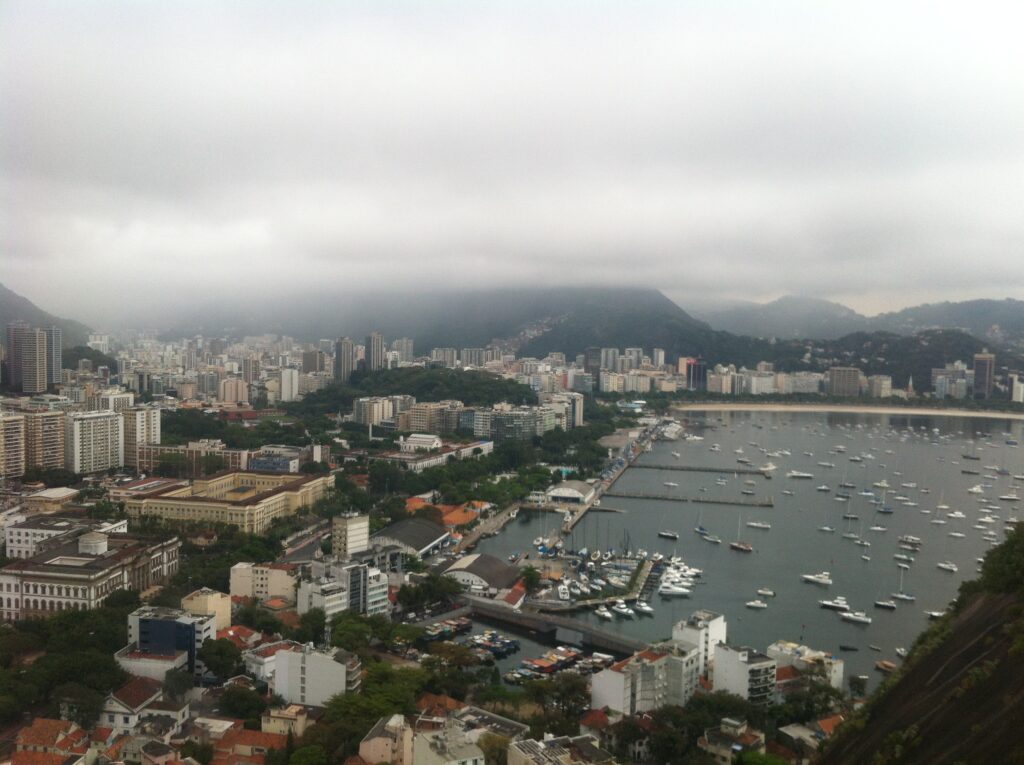
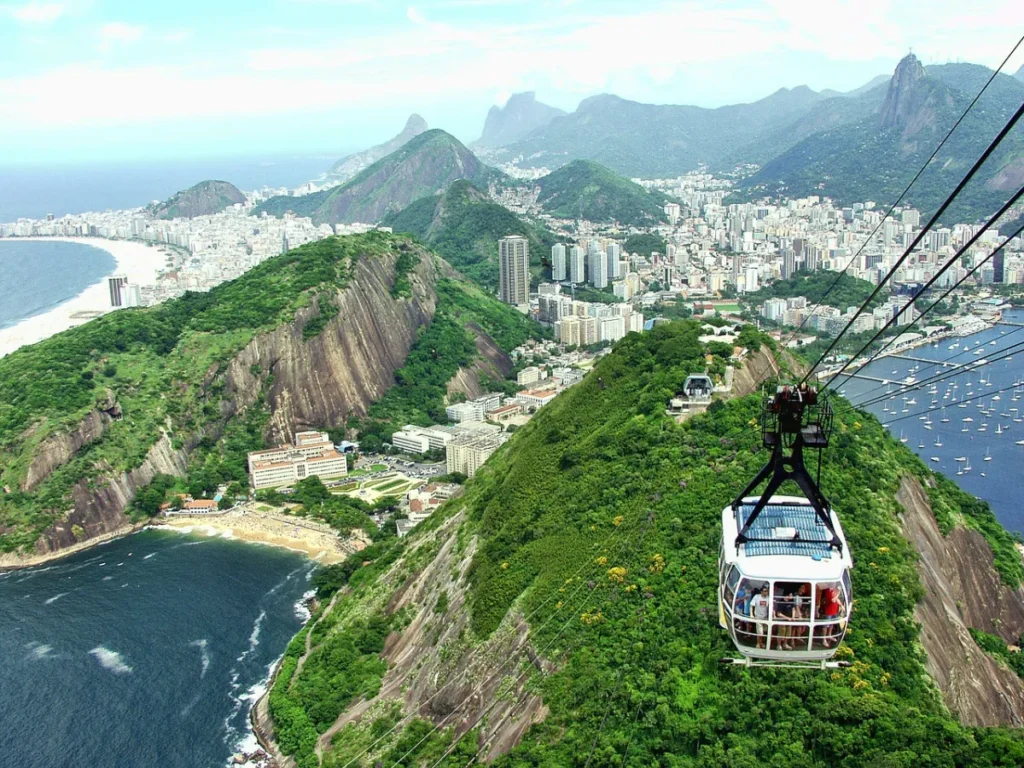
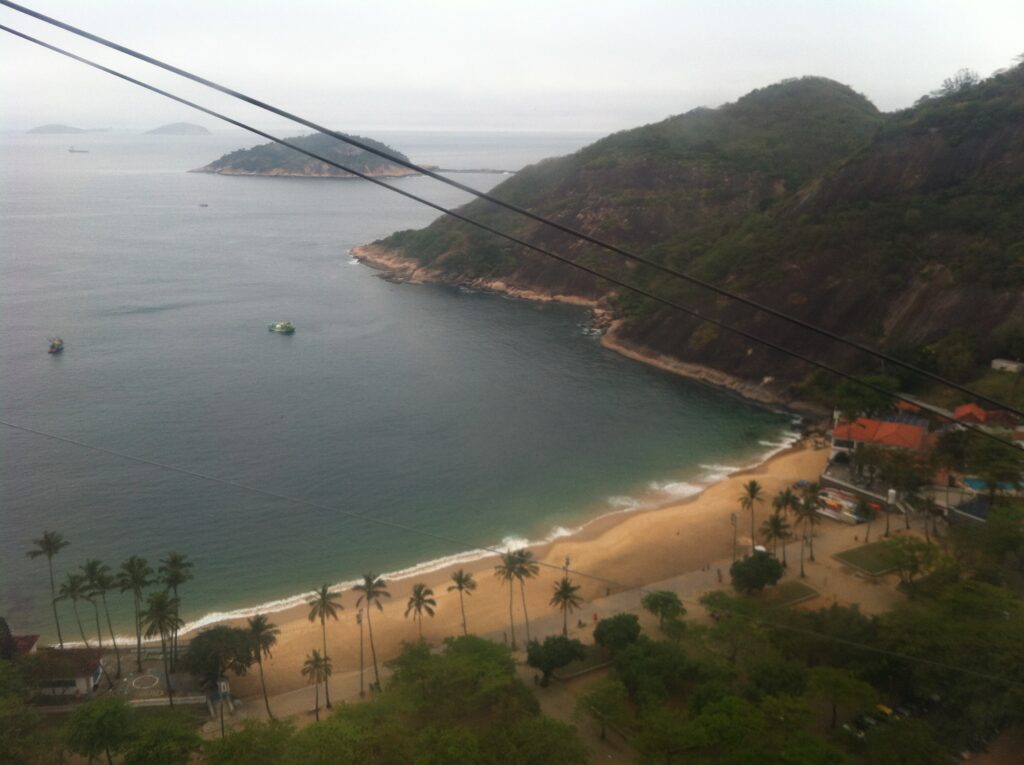
The journey to the summit is as famous as the destination itself, involving two separate cable car rides (bondinhos):
Praia Vermelha to Morro da Urca:
The journey starts from the ground station at Praia Vermelha (Red Beach) in the charming Urca neighborhood. The first cable car takes you to the top of Morro da Urca (220 meters / 722 feet), the smaller of the two peaks. This station has restaurants, shops, and an amphitheater often used for concerts and events.
You can choose to hike the beautiful, well-maintained Cláudio Coutinho trail (starting at Praia Vermelha) up to Morro da Urca for free, enjoying the Atlantic Forest, before buying a ticket for the second leg up to Sugarloaf.
Morro da Urca to Pão de Açúcar:
The second, steeper cable car ride takes you the rest of the way to the top of the Sugarloaf monolith. The modern, bubble-shaped cars offer incredible 360-degree views throughout the entire ascent. Inaugurated in 1912, the original Sugarloaf cableway was the first Brazilian cable car and only the third in the world, making it a historic feat of engineering.
For those seeking an adrenaline rush, the Sugarloaf complex is one of the largest urban climbing areas in the world.
Rock Climbing: The sheer granite walls of Morro da Urca and Sugarloaf offer over 270 climbing routes. Beginners can tackle the easier Costão route with a guided tour, making it another fantastic lifetime memory.
Helicopter Tours: You can book an unforgettable scenic flight from the helipad located at Morro da Urca, soaring over the beaches and Christ the Redeemer for the ultimate aerial perspective.
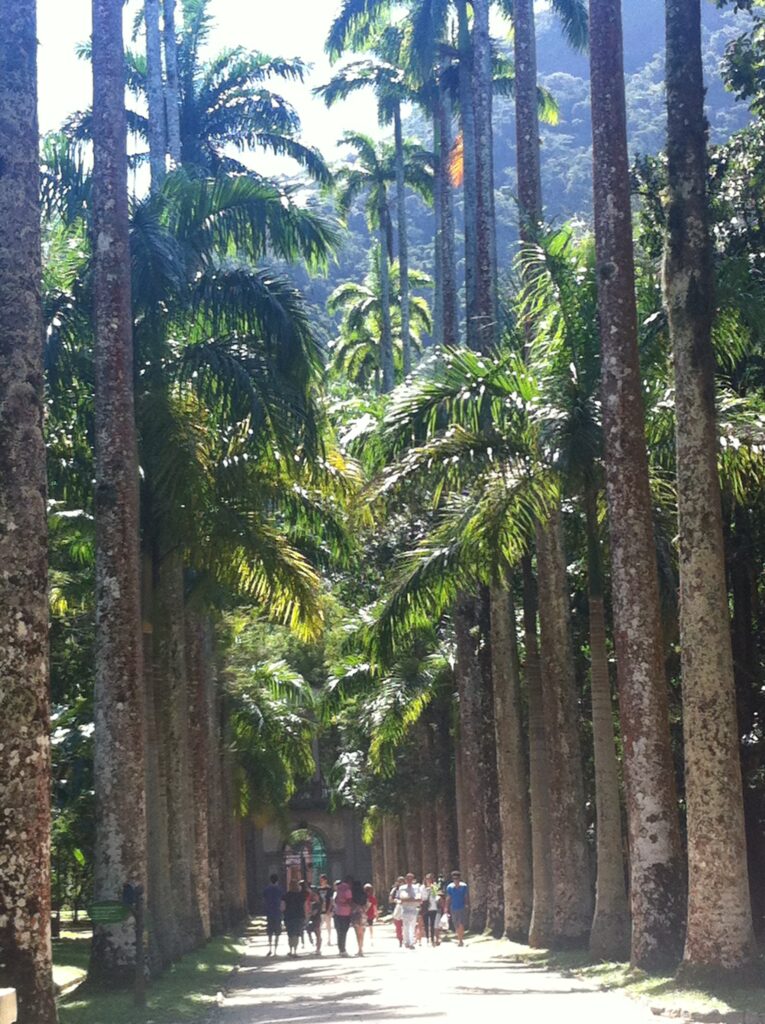
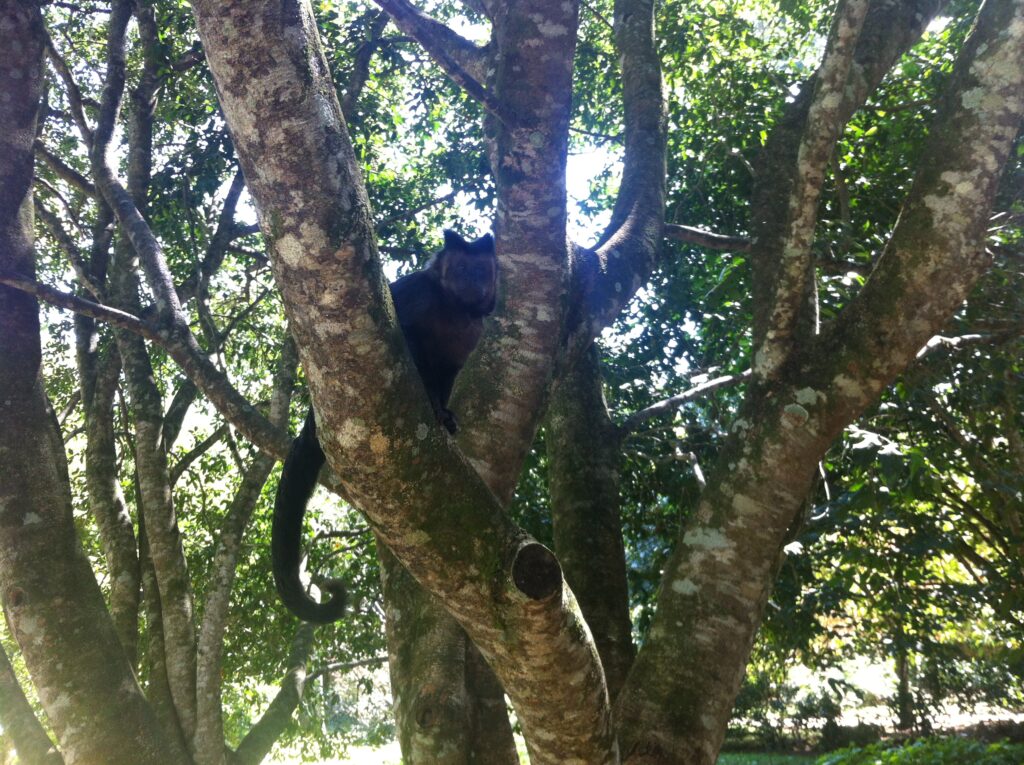
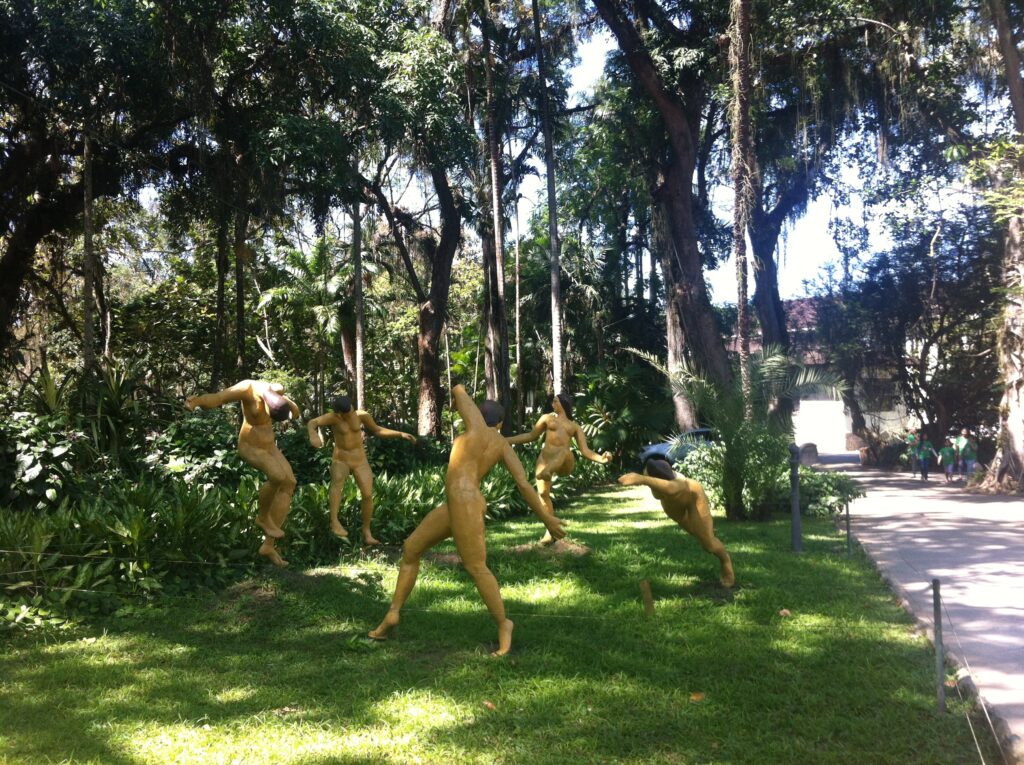
Rio’s famous green oasis is the Jardim Botânico. The Botanical Garden is located in the chic and leafy neighborhood of Jardim Botânico, situated between the Tijuca National Park mountains and the Lagoa Rodrigo de Freitas (Lagoon). The garden was founded in 1808 by Prince Regent John (later King John VI of Portugal) to acclimatize spices like nutmeg, cinnamon, and pepper arriving from the East Indies before their introduction across Brazil. This makes it a place of immense historical and scientific importance. The most iconic and photographed feature is the majestic Avenue of Royal Palms (Alameda Barbosa Rodrigues). Over 130 palms (originally 134) line the 750-meter (2,460-foot) central walkway, creating a stunning, cathedral-like entrance that perfectly blends nature with grand design.
The garden holds a collection of over 6,000 different species of tropical and subtropical plants, including 900 varieties of palms and a priceless collection of orchids and bromeliads. It functions as a research institute, actively working on preserving and studying Brazil’s vast biodiversity.
Rio is home to the Tijuca National Park, the largest urban rainforest in the world. Escape the beach crowds and hike to the Vista Chinesa for panoramic views, or chase waterfalls. For the truly adventurous, the sunrise hike up Morro Dois Irmãos (Two Brothers Peak) offers one of the most rewarding views over Ipanema and the rest of the South Zone.
While I will explore downtown Rio—including Lapa, the Selarón Steps, and the favelas—along with the Niterói side of the bridge in a separate article, these recommendations focus on the city’s blend of historic luxury and culinary innovation. Here are my top picks for a perfect stay:
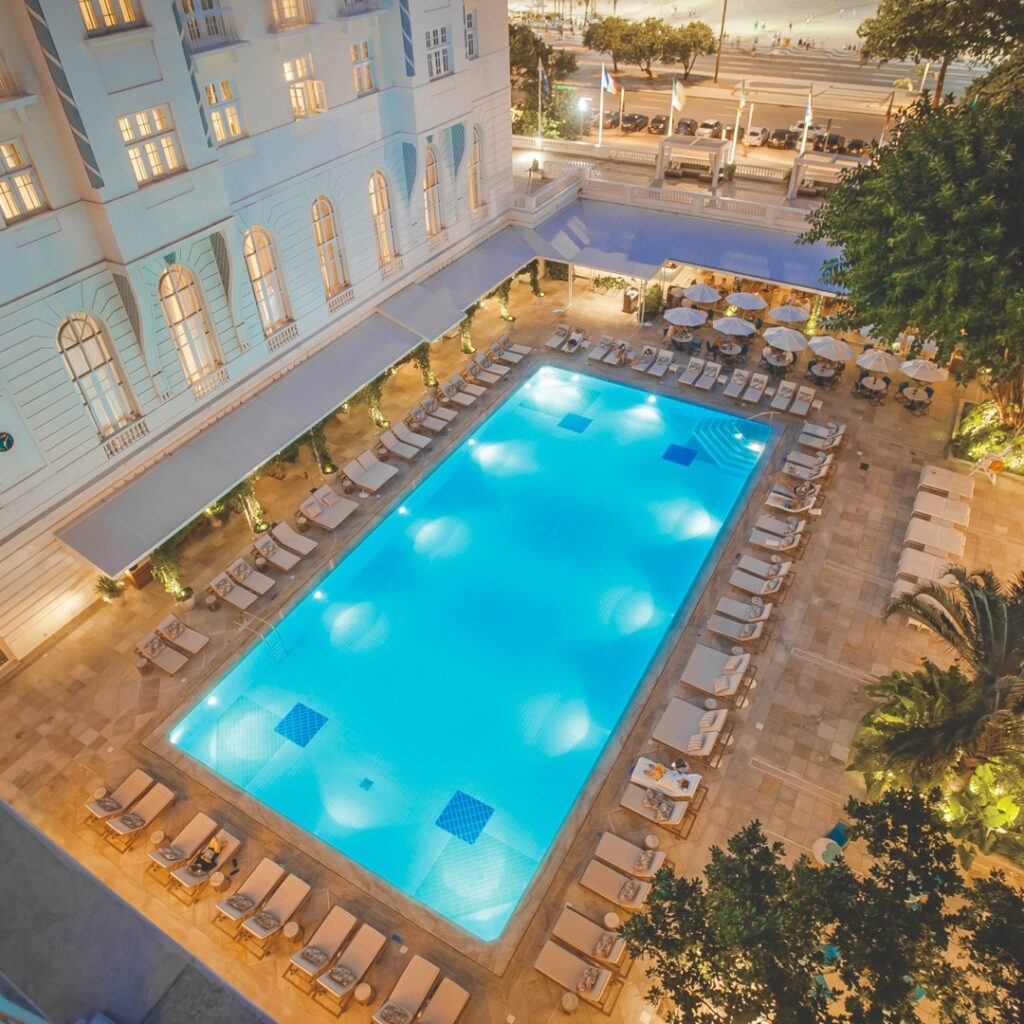
Copacabana Palace, A Belmond Hotel: A legendary landmark offering old-world luxury and beachfront perfection in Copacabana. Expect iconic, classic glamour and a lively atmosphere.
Hotel Fasano Rio de Janeiro: Located in Ipanema, this sleek, Philippe Starck-designed hotel features a famous rooftop infinity pool overlooking the beach and Sugarloaf Mountain. It offers a chic, upscale, and stylish boutique vibe.
Santa Teresa Hotel RJ – MGallery: A beautifully converted coffee mansion with rustic-chic decor and stunning views. Nestled in the Santa Teresa hills, it provides a bohemian, quiet, and historic charm.
Where to Eat
Aprazível: Set in a lush, hillside garden in Santa Teresa, this spot offers sustainable Brazilian cuisine and breathtaking city views—perfect for a romantic dinner.
Oteque: A celebrated Michelin-starred destination in Botafogo focusing on innovative, seasonal, and detailed Brazilian fine dining.
Bar do Mineiro: A legendary boteco in Santa Teresa famous for its traditional Brazilian comfort food. It is the go-to spot for authentic feijoada (black bean stew) and ice-cold beer.
Confeitaria Colombo: Step back into the 19th century in this ornate, Belle Époque tea room. Located in the city center, it is a must-visit for afternoon treats, delicious desserts, and a sense of Rio’s history.

As the sun sets one last time over Ipanema, painting the Dois Irmãos in shades of orange and violet, you realize that Rio’s enduring marvel is not just what you see, but what you taste and feel. The Carioca spirit is utterly inseparable from its vibrant cuisine and tasty drinks. You must delve into the deep, soulful flavor of Feijoada, Brazil’s national dish—a hearty black bean and meat stew—ideally enjoyed on a Saturday afternoon. Fuel your beach days with hot, crispy Pastéis or the comforting chew of Pão de Queijo (cheese bread). The drink menu is equally essential: Rio is the birthplace of the perfect Caipirinha, a potent, refreshing mix of lime, sugar, and cachaça, best sipped with your toes in the sand or at a buzzing street market. Pair your beach volleyball games with an ice-cold Cerveja (beer) at a local Boteco—the quintessential neighborhood bar where social life and music thrive. Ultimately, the richness of Rio lies in the blend of the Samba beat, the shared warmth of these communal spaces, and the powerful, joyous flavors on your tongue. You don’t just visit Rio; you savor its exuberant, open-hearted soul.