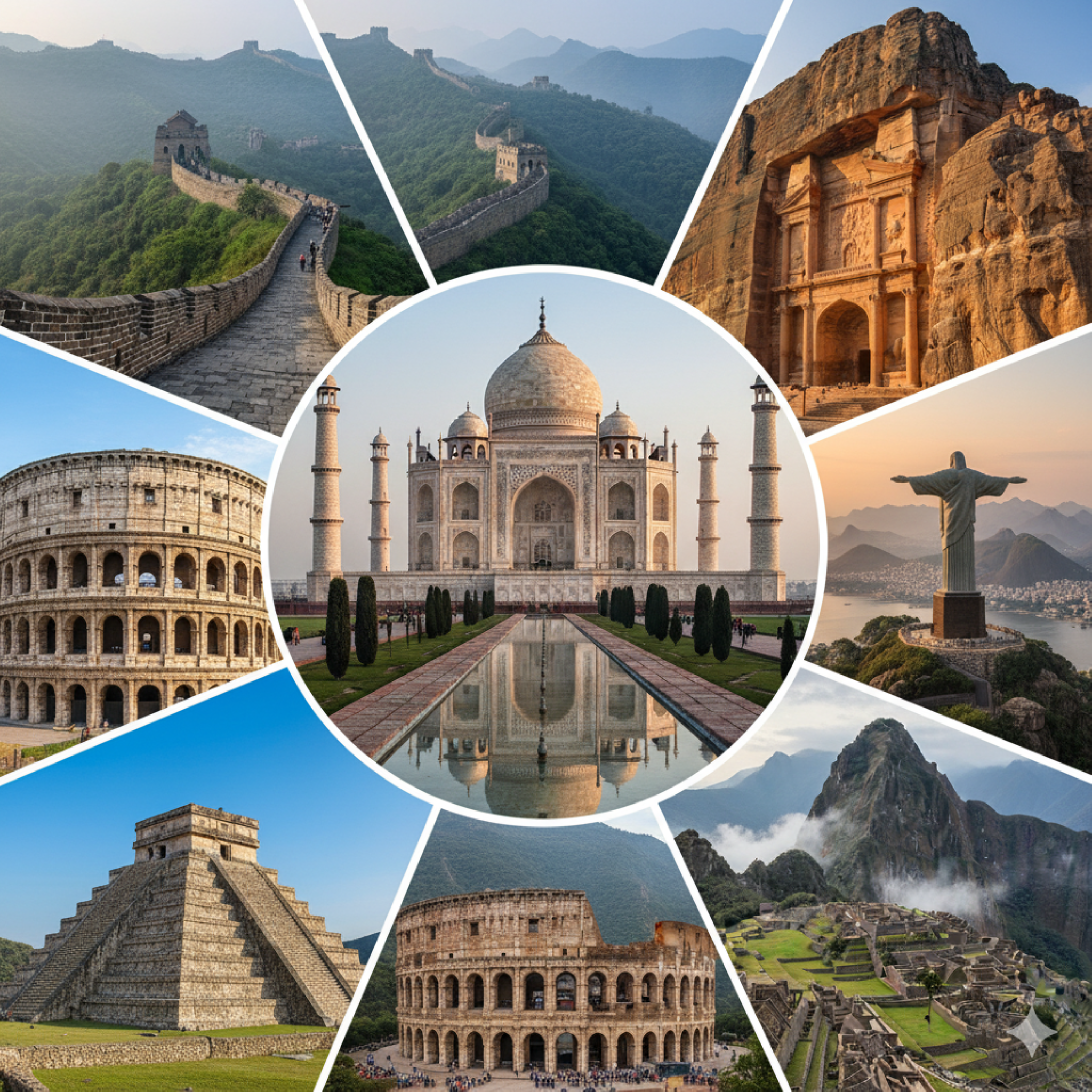
Machu Picchu, Peru: This 15th-century Inca citadel is nestled high in the Andes Mountains. Its purpose remains a mystery to scholars, but its stunning stone-cut architecture and breathtaking setting make it a truly unforgettable destination. Machu Picchu often called the “Lost City of the Incas,” was never discovered by the Spanish conquistadors, which is why it remains so well-preserved. It’s believed to have been a royal retreat for the Inca emperor and was abandoned for unknown reasons around the time of the Spanish conquest. The site’s stonework is so precise that a credit card cannot fit between the stones, a testament to the Incas’ masterful engineering.
Chichén Itzá, Mexico: This ancient Mayan city is home to the famous pyramid of El Castillo, a testament to the Mayans’ advanced understanding of astronomy and architecture. Each of its four sides has 91 steps, which, when added to the final platform at the top, total 365, representing the number of days in a year. During the spring and fall equinoxes, the sun casts a shadow that looks like a serpent slithering down the stairs, ending with a stone serpent head at the base. This is the feathered serpent god, Kukulcán.
The Colosseum, Italy: A symbol of the Roman Empire’s power and spectacle, this grand amphitheater was the largest ever built and could hold up to 80,000 spectators. The most astonishing fact is that the arena floor, or hypogeum, could be flooded with water to stage mock naval battles, known as naumachiae. This feat of engineering involved a complex system of wooden platforms and trap doors to create different scenes and release wild animals into the arena.
The Taj Mahal, India: This immense marble mausoleum was built by Mughal emperor Shah Jahan to honor his late wife. Regarded as a “jewel of Muslim art in India,” it is a perfect example of symmetric and intricate architecture. The white marble changes color throughout the day, appearing pinkish in the morning, milky white in the evening, and golden at sunset. The intricate carvings and inlaid semiprecious stones are a form of pietra dura artwork. In addition to the main mausoleum, the complex includes a mosque, a guest house, and formal gardens.