Planning a trip to Brasil in 2026? From the white dunes of Lençóis Maranhenses to Rio’s iconic beaches, discover why Brasil is the world’s top travel trend this year.

The Soul of South America is Calling

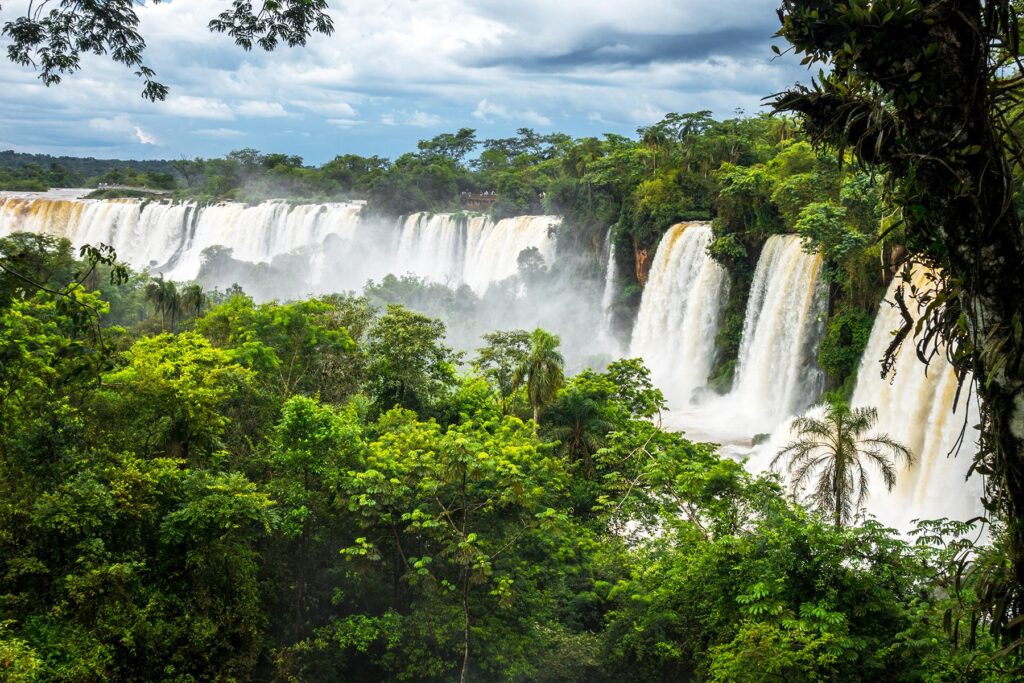
There is a rhythm to Brasil that you don’t just hear; you feel it in the soles of your feet. It’s in the thundering mist of Iguazu Falls, the sunset applause at Ipanema Beach, and the quiet hiss of a caipirinha being shaken in a hidden samba club.

Recently named the “Destination of the Year for 2026,” Brasil is no longer just a “bucket list” item—it is the epicentre of global travel. Whether you are a digital nomad seeking the new 12-month remote work visa or a luxury seeker looking for the untouched sands of Fernando de Noronha, Brasil offers a kaleidoscope of culture that is impossible to find anywhere else.

💡 Travel Hack: Iberia has just launched a “Woffer” campaign with exclusive flight deals to major Brasilian hubs. If you’ve been waiting for a sign to book, If you’ve been waiting for a sign to book here are shortcuts for you based on your starting destination. The campaign ends Jan 26, so hurry up!

Foz do Iguaçu
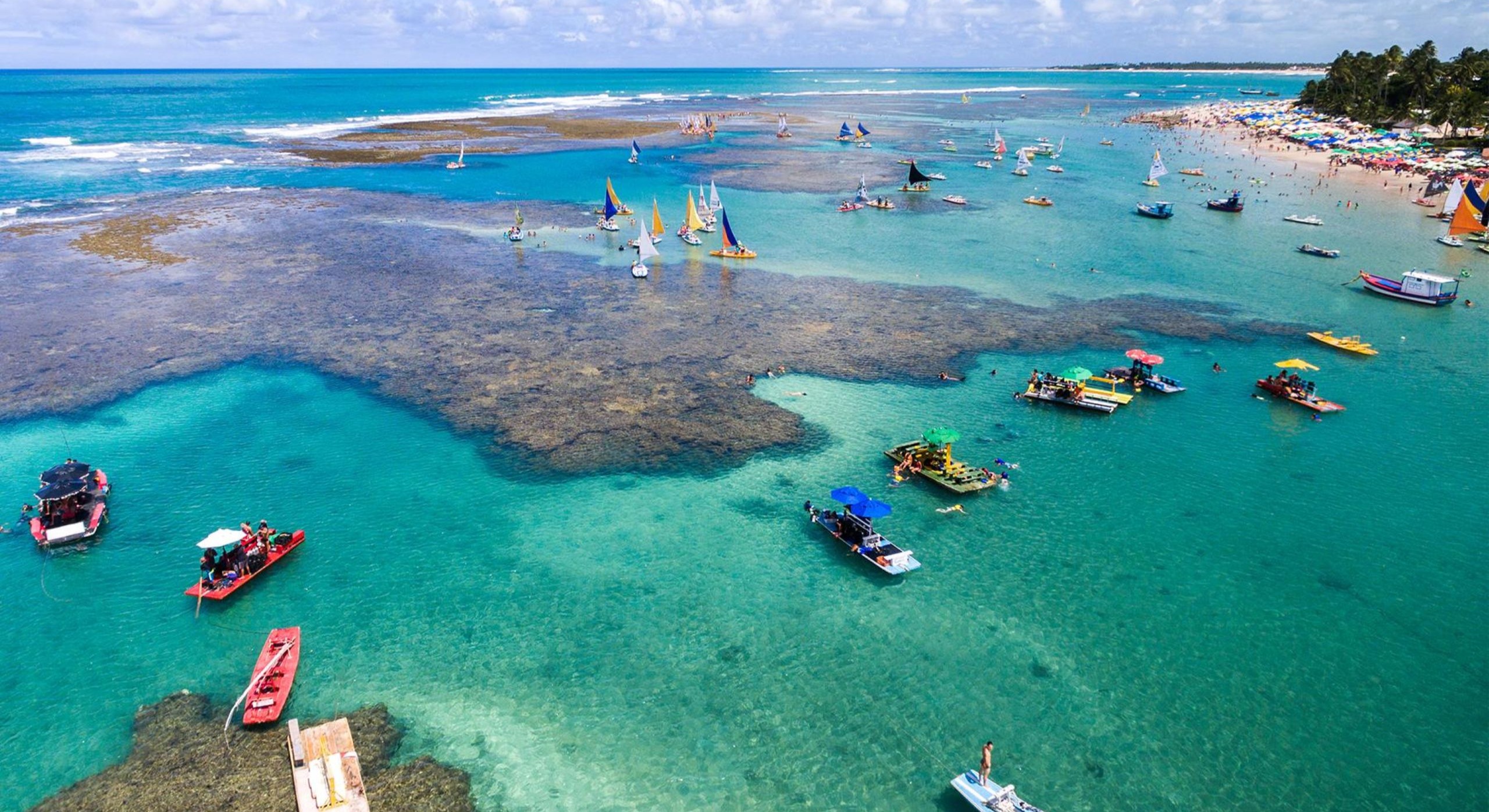
Fernando de Noronha

Fernando de Noronha

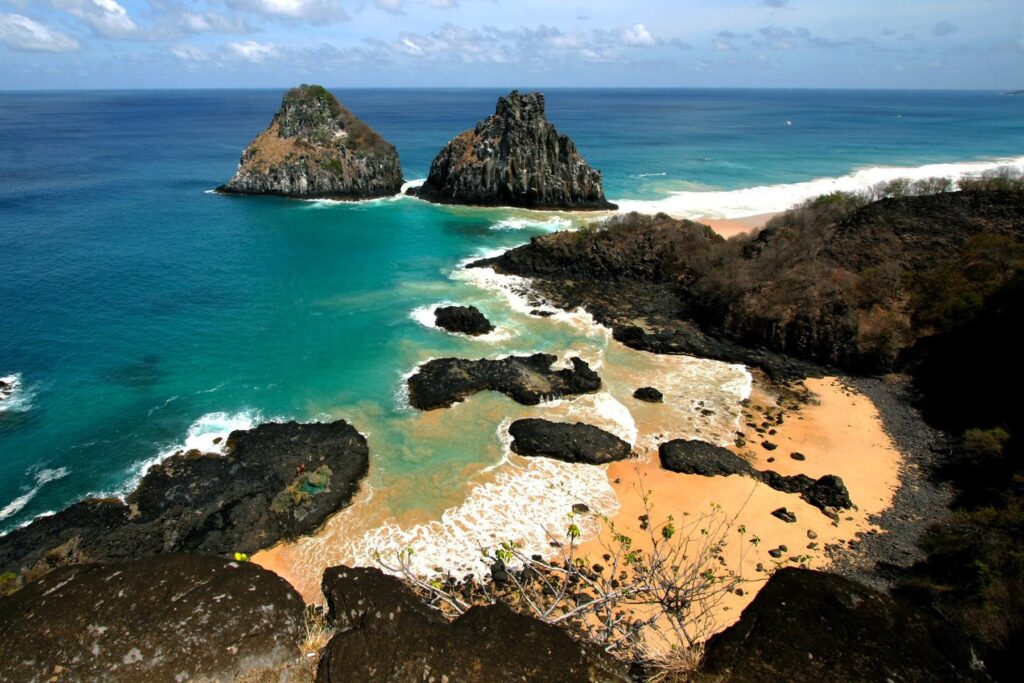
Often called the “Galapagos of Brasil,” Fernando de Noronha is a volcanic archipelago of 21 islands located in the equatorial Atlantic Ocean, approximately 350 kilometers (220 miles) off the northeast coast of Brasil. Technically part of the state of Pernambuco, this UNESCO World Heritage site is most easily reached via a short flight from the mainland cities of Recife or Natal. It is home to Baía do Sancho, consistently voted the world’s most beautiful beach, where emerald waters meet golden sands beneath dramatic volcanic cliffs. Because the island strictly limits daily visitors to preserve its fragile ecosystem, you can snorkel in crystal-clear visibility alongside sea turtles and spinner dolphins without the crowds. Whether you are watching the sunset over the iconic Morro Dois Irmãos rock formations or navigating the island’s rugged trails by buggy, Noronha offers an exclusive, raw beauty that feels worlds away from the modern pace of life.

💡Pro Tip: To reach Fernando de Noronha, book your Iberia flight to Recife and enjoy 1-hour island hop.

The Surreal Sands of Lençóis Maranhenses

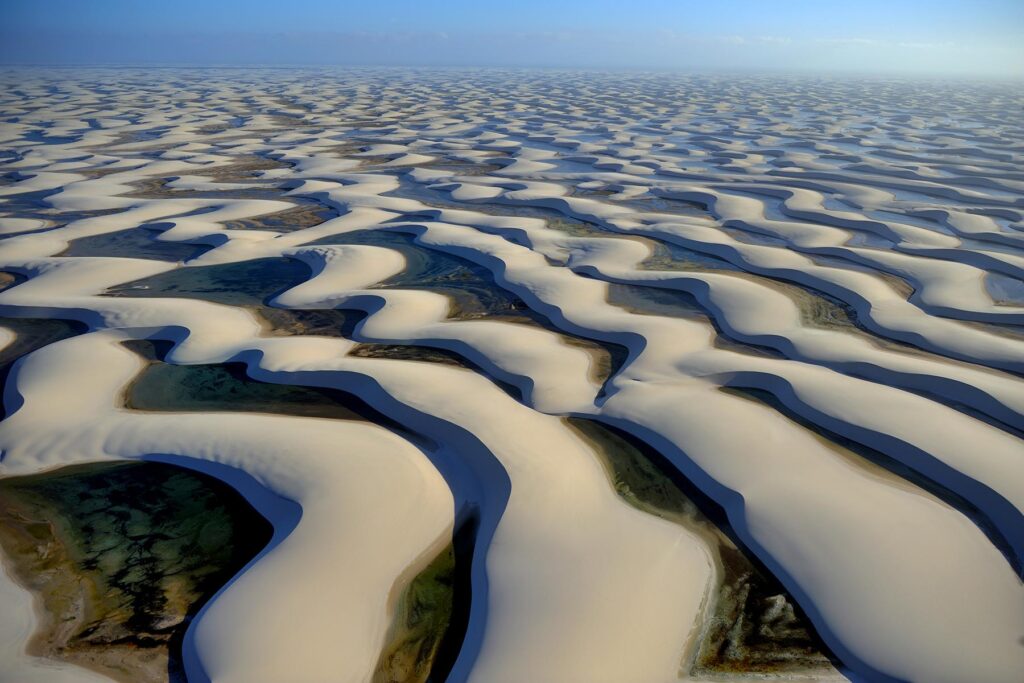
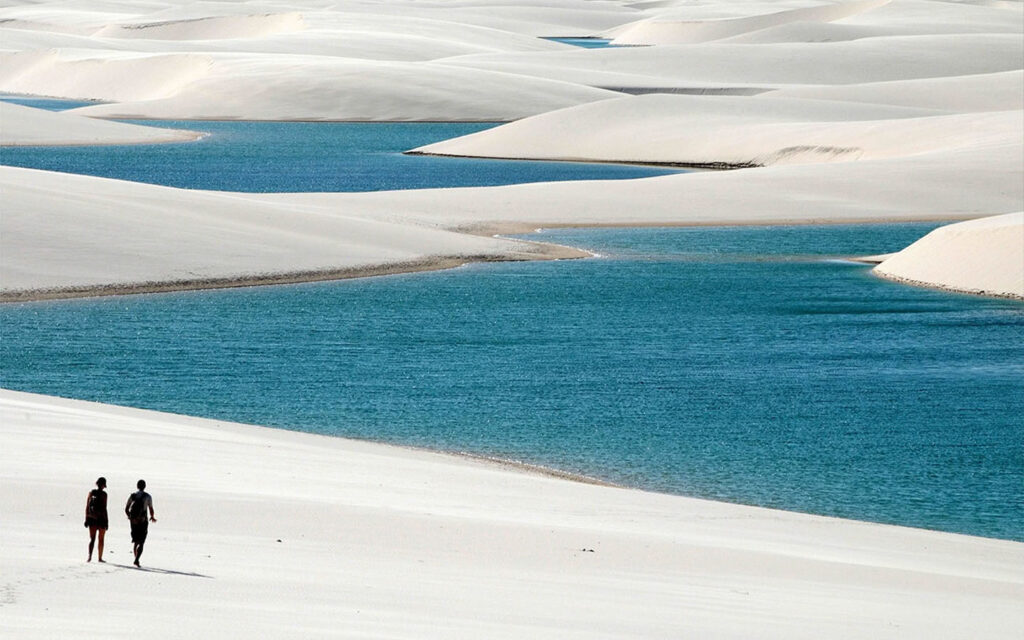
Imagine a desert where, instead of heat-induced mirages, you find thousands of crystal-clear rainwater lagoons tucked between towering, snow-white sand dunes. This is Lençóis Maranhenses National Park, a 155,000-hectare protected wonderland located in the state of Maranhão on Brasil’s northeastern coast. In 2026, the park’s recent designation as a UNESCO World Heritage site has brought improved sustainable infrastructure and professional 4×4 eco-tours, making the remote lagoons of Lagoa Azul and Lagoa Bonita more accessible than ever.

Because the lagoons reach their peak depth between May and September following the rainy season, timing your trip is essential for those iconic “blue-and-white” photos. It is, quite simply, the most surreal landscape in South America and a must-visit for any traveler flying into nearby São Luís.

💡Pro Tip: To reach Lençóis Maranhenses, the most efficient route is to book an Iberia flight to Fortaleza (FOR) or São Paulo (GRU), then take a quick domestic connection to São Luís (SLZ). From the airport, a 4-hour scenic transfer takes you to the gateway town of Barreirinhas. In 2026, Iberia’s new Fortaleza route makes this even easier for European and North American travelers! Use your Jan 26 Woffer discount to lock in your long-haul leg, and then jump on a local flight to São Luís for the best of the Northeast.

Rio de Janeiro: More Than Just a Carnival

While the Rio Carnival remains the world’s most iconic spectacle, 2026 has ushered in a new era of “Slow Travel” across the Cidade Maravilhosa. Travelers are moving away from the crowded sands of Copacabana to explore the bohemian soul of Rio’s hillside neighborhoods. Start your journey in Santa Teresa, the “Montmartre of the Tropics,” by catching the historic Bonde (yellow tram) across the Lapa Arches. Wind through cobblestone streets to reach the vibrant Escadaria Selarón, a mosaic masterpiece that connects the hills to the city’s heart.

For the modern adventurer, the quest for the perfect view leads to Pedra do Telégrafo. Located in the Selvagem (Wild) Coast region of Rio, this spot offers the world-famous “cliff-hanging” photo op—a breathtaking illusion overlooking the Atlantic. Whether you’re sipping craft coffee in a hilltop atelier or hiking the Tijuca Forest (the world’s largest urban rainforest), Rio in 2026 is about finding the magic in the quiet, elevated corners of the city.

The Culinary Boom: From São Paulo to Belém’s Ancestral Flavors

Brasil’s gastronomic landscape in 2026 is a tale of two cities. In São Paulo, the southern hemisphere’s undisputed culinary capital, the scene is “on fire.” Here, elite establishments like D.O.M. and A Casa do Porco continue to push the boundaries of “Mindful Gastronomy,” utilizing seasonal, locally sourced ingredients to earn their place at the pinnacle of the MICHELIN Guide. Whether you’re seeking an intimate omakase at a new star-rated spot like KANOE or unpretentious Brasilian soul food at Mocotó, São Paulo offers a global palate refined by South American biodiversity.

Meanwhile, the world is turning its eyes north to Belém, the gateway to the Amazon and a UNESCO Creative City of Gastronomy. This under-the-radar hub is home to the legendary Ver-o-Peso Market, where the air is thick with the scent of fermented tucupi (wild manioc juice) and fresh filhote catfish. In 2026, “Amazonian Fusion” is the trend to watch. Don’t leave without trying Tacacá—a numbing, electric soup made with jambu leaves—or Maniçoba, a slow-cooked stew that takes seven days to prepare. From the high-tech kitchens of the south to the ancestral “forest-to-table” wisdom of the north, Brasil is currently the most exciting food destination on the planet.
Lençóis Maranhenses

Urubici, the “Iceland of Brasil”

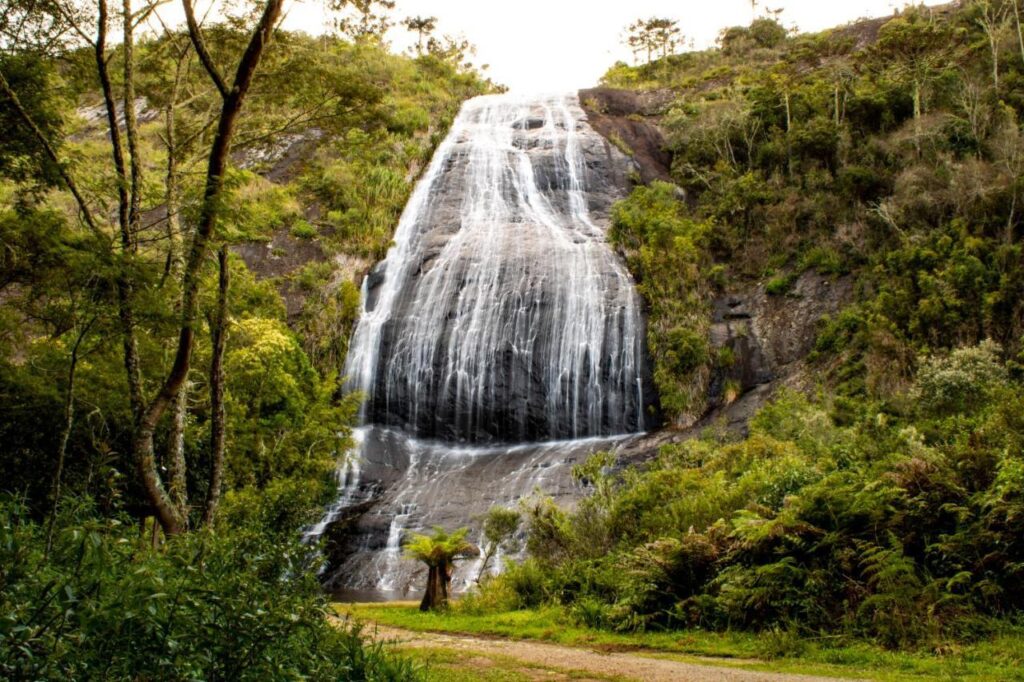
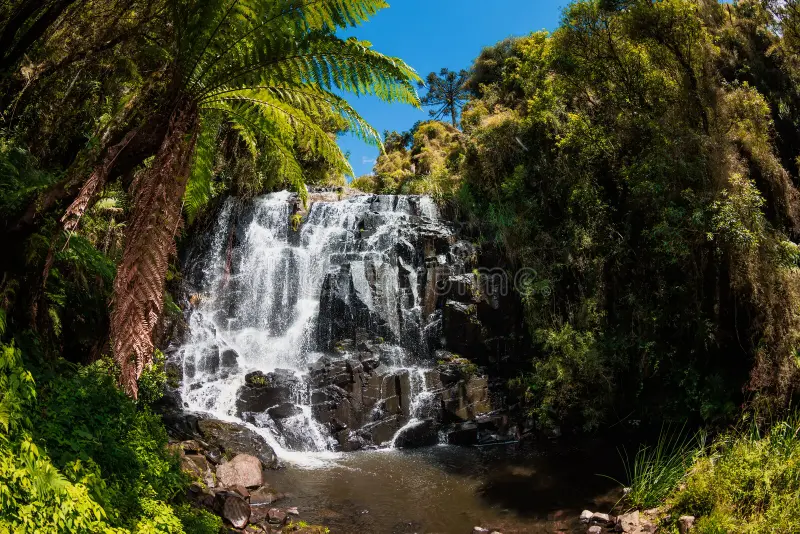
Urubici is the crown jewel of the Santa Catarina highlands (Serra Catarinense), located in Southern Brasil. Sitting at an elevation of roughly 900 meters (nearly 3,000 feet), it is famously one of the few places in Brasil where you might actually see snow in the winter. Known as the “Iceland of Brasil” due to its dramatic canyons, jagged rock formations, and freezing waterfalls, Urubici is the ultimate destination for hikers and eco-travelers.

The star of the show is the Morro da Igreja, the highest inhabited point in Southern Brasil, offering a breathtaking view of the Pedra Furada (Holed Rock). For those seeking an adrenaline rush, the Serra do Rio do Rastro—a winding mountain pass with 280 hair-pin turns—is considered one of the most spectacular roads in the world. Whether you are sipping high-altitude wine by a fireplace or trekking to the Avencal Cascade, Urubici proves that Brasil’s beauty goes far beyond its coastline.

💡Pro Tip: To reach Urubici, book an Iberia flight to Florianópolis and enjoy a scenic 3-hour drive.

Urubici

Itaimbezinho Canyon: The “Grand Canyon” of Southern Brasil

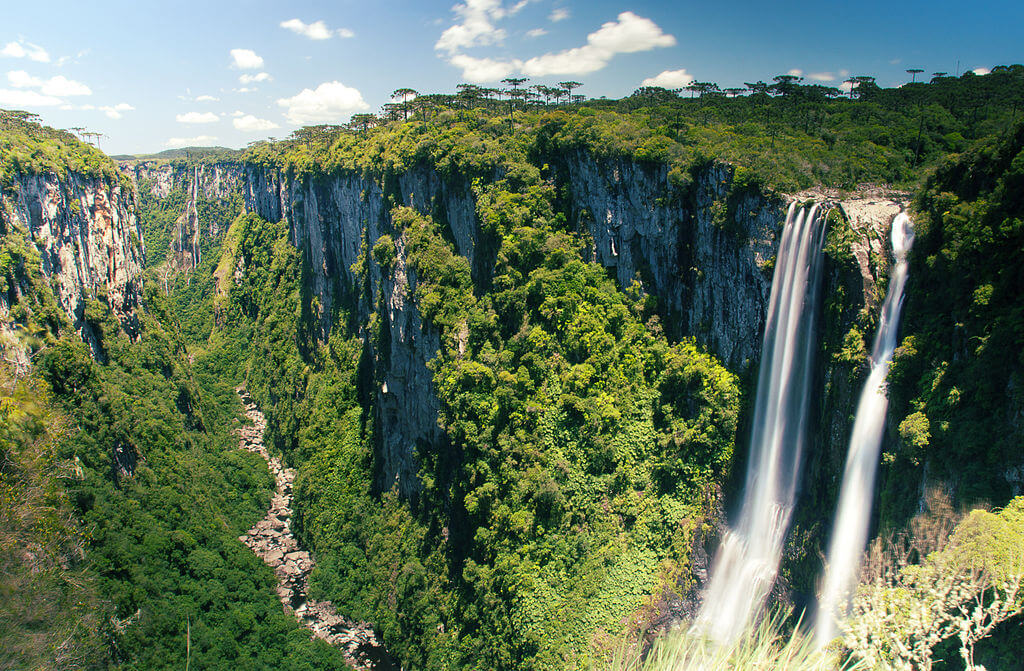
If you crave raw, prehistoric landscapes, look no further than Itaimbezinho Canyon within the Aparados da Serra National Park. Located on the border of Rio Grande do Sul and Santa Catarina, this is one of the largest canyons in South America, stretching nearly 6 kilometers in length with sheer vertical drops of up to 720 meters (2,360 feet).

In 2026, the park has become a hub for adventure luxury travel. You can hike the Trilha do Vértice for a panoramic view of the towering Cascata das Andorinhas waterfall, or take the Trilha do Rio do Boi to hike along the canyon floor between the massive basaltic walls. The nearby town of Cambará do Sul has transformed into a high-end glamping destination, making it the perfect base for travelers who want to combine rugged trekking with sophisticated wine and fireplace nights.

💡Pro Tip: To reach Itaimbezinho Canyon, the most efficient route is to book an Iberia flight to São Paulo (GRU) or Rio de Janeiro (GIG), then take a short domestic connection to Porto Alegre (POA). From the airport, rent a car for the 3-hour scenic drive to Cambará do Sul

Itaimbezinho Canyon

Cascata do Caracol: The Enchanted Heart of the Serra Gaúcha

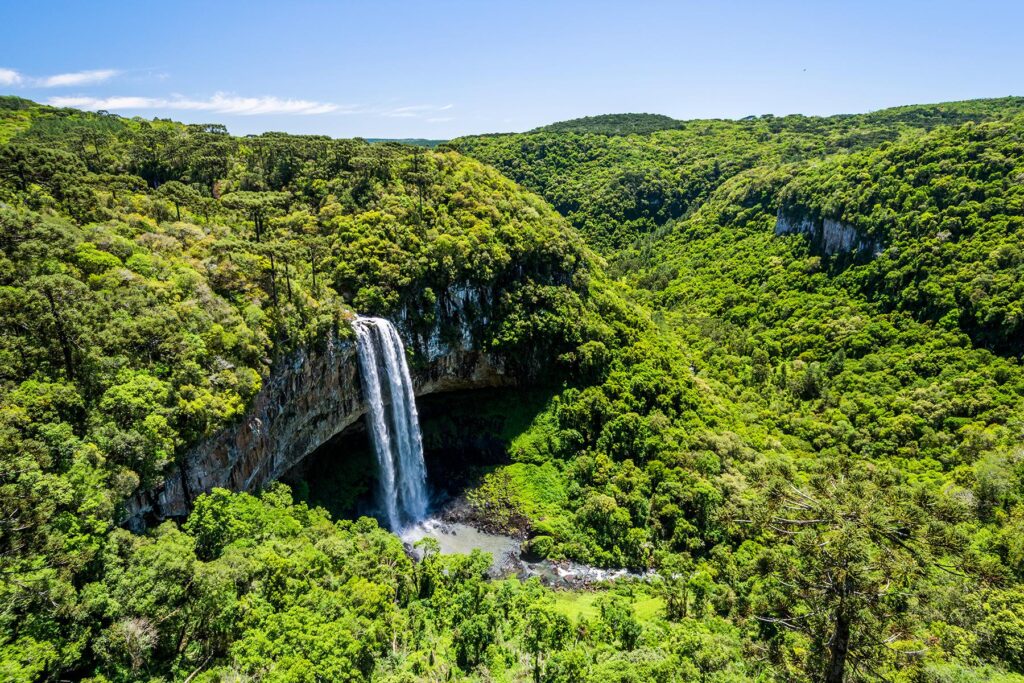
f Itaimbezinho is Brasil’s “Grand Canyon,” then Cascata do Caracol is its fairytale masterpiece. Located in the Caracol State Park just outside the charming, European-style town of Canela, this breathtaking 131-meter (430-foot) waterfall plunges over basaltic cliffs into a deep, emerald-green valley. It is the most famous postcard image of Rio Grande do Sul, and for good reason.

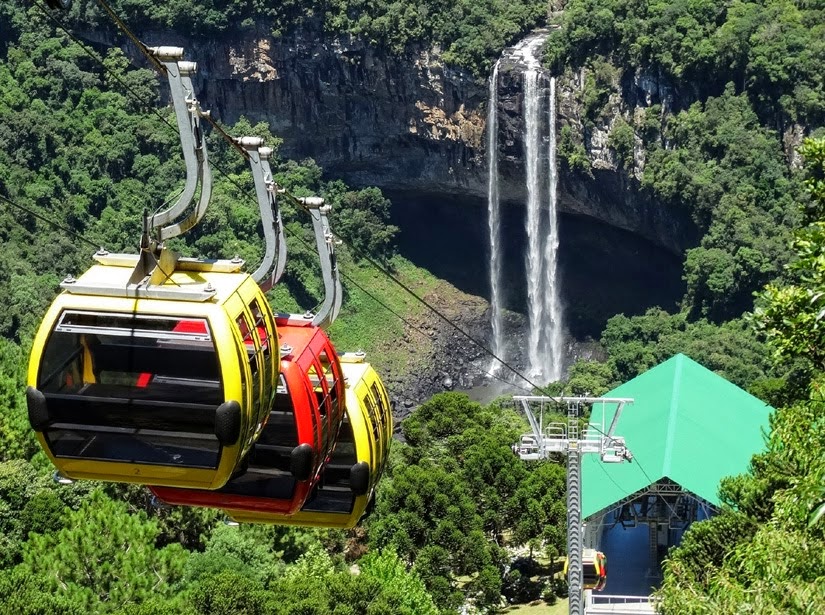
In 2026, the experience has been elevated with the Bondinhos Aéreos (aerial cable cars), which offer a 360-degree panoramic view of the falls and the surrounding Araucária pine forests. For those seeking a physical challenge, the “Escada da Perna Bamba” (Wobbly Leg Staircase) features 927 steps that lead you to the very base of the falls for a thundering, up-close encounter with nature’s power. After exploring the trails, travelers typically retreat to the nearby city of Gramado—the “Switzerland of Brasil”—to indulge in artisanal chocolates and world-class fondue, making this the ultimate destination for those who love “Comfort Adventure.”

💡Pro Tip: To reach Cascata do Caracol, the smartest route is to book an Iberia flight to Porto Alegre (POA). From the airport, you have two excellent options: either rent a car for a scenic 2-hour drive through the “Romantic Route” (Rota Romântica) or take a comfortable executive bus directly to the center of Canela or Gramado. In 2026, Porto Alegre is the primary hub for anyone visiting Southern Brasil’s wine and waterfall country. By using the Iberia Woffer Sale (ends Jan 26), you can secure your long-haul flight at a massive discount, making it affordable to add a few nights of luxury in a Gramado mountain chalet.

Cascata do Caracol

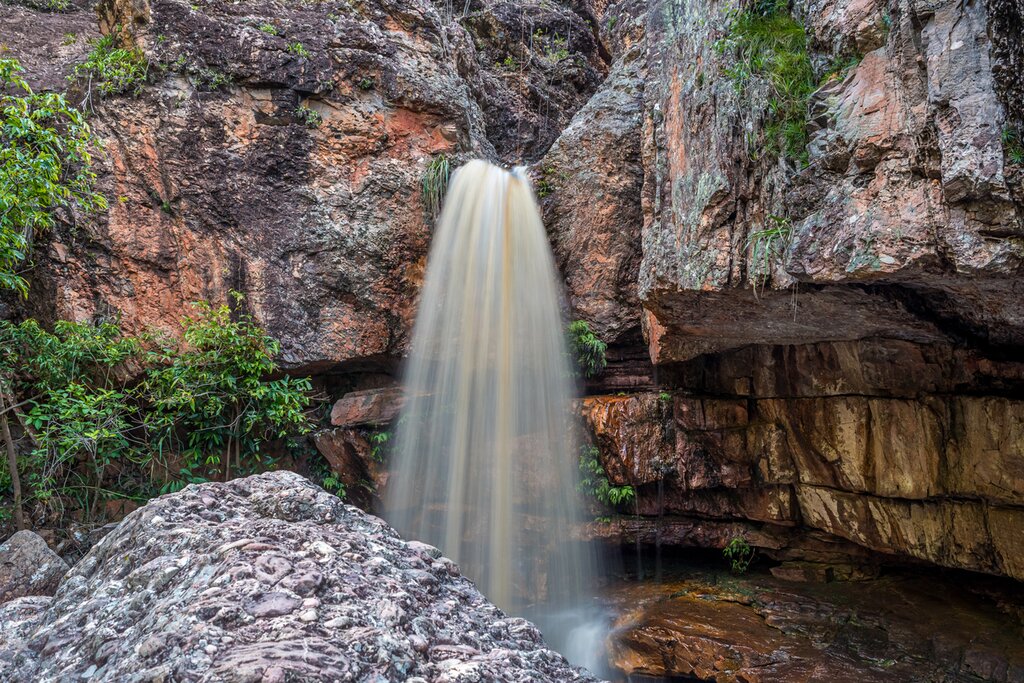
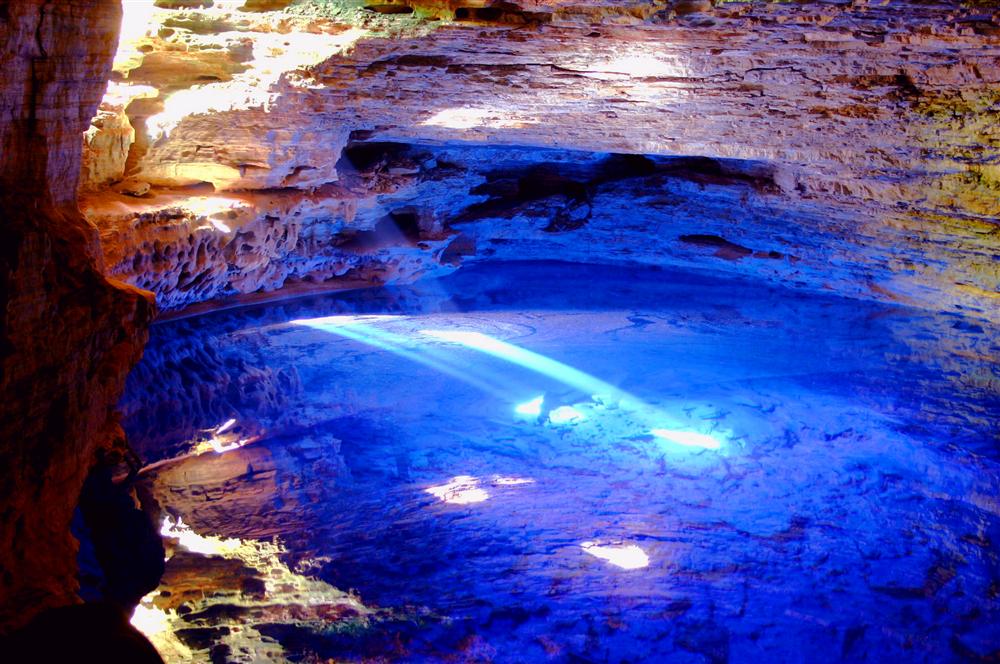
Chapada Diamantina: Brasil’s Lost World of Waterfalls and Quartz Caves

If you want to experience the raw, interior heart of Bahia, you must head to Chapada Diamantina National Park. Once the world’s leading source of diamonds, this region has traded its mining past for eco-tourism gold. It is a vast plateau of 152,000 hectares where “tepuis” (table-top mountains) rise above deep canyons, subterranean blue pools, and some of the tallest waterfalls in South America.

In 2026, the park is trending as the ultimate “Slow Adventure” destination. Most travelers base themselves in the colorful colonial town of Lençóis to tackle the legendary Morro do Pai Inácio hike—the park’s most iconic postcard view. For the truly adventurous, the Vale do Pati crossing is considered the best multi-day trek in Brasil, offering a complete digital detox as you stay with local families in a valley with no cell service. From the thundering Cachoeira da Fumaça (Smoke Falls), where the water turns to mist before hitting the ground, to the ethereal blue light of Poço Azul, Chapada Diamantina is a prehistoric paradise that defies belief.

💡Pro Tip: To reach Chapada Diamantina, the most efficient route is to book an Iberia flight directly to Salvador (SSA). From Salvador, you have two great choices: catch a quick, 1-hour domestic flight to Lençóis (LEC) or enjoy a scenic 6-hour drive (or bus ride) into the heart of the park. In 2026, Salvador has become one of Iberia’s most popular Brasilian hubs. By booking your long-haul flight during the Iberia Woffer Sale (ending Jan 26), you can save hundreds on your journey to Bahia. Pro tip: Spend 2 days in Salvador’s historic Pelourinho before heading to the mountains to get the full “Bahia experience” for the price of one trip!

Chapada Diamantina

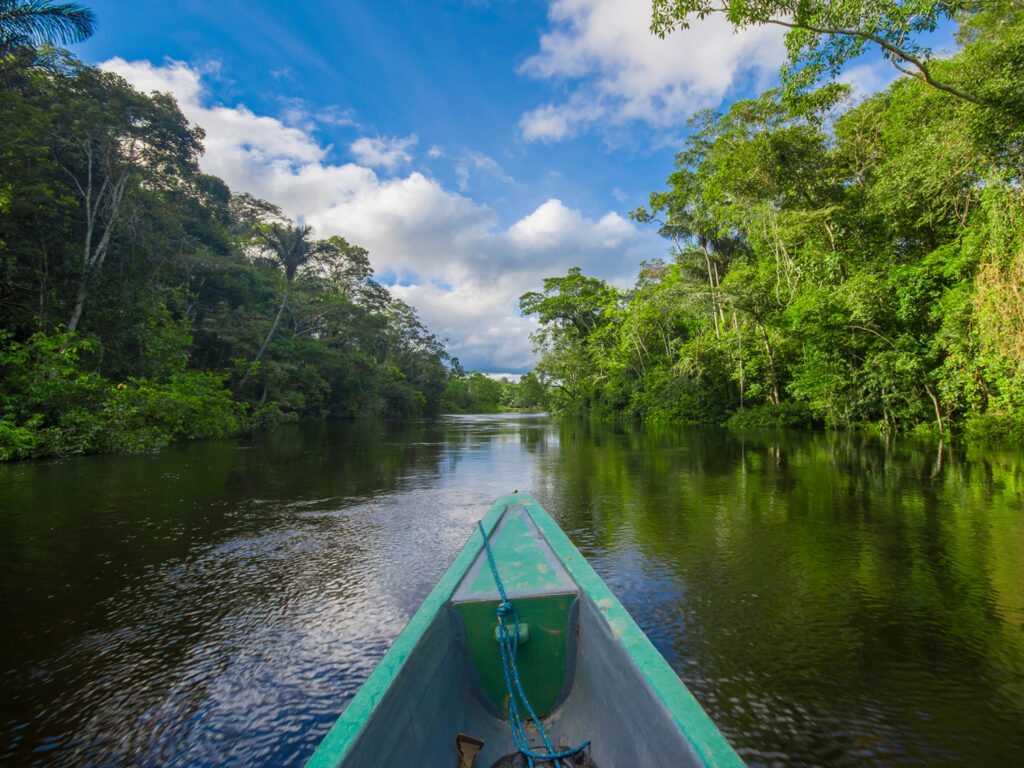
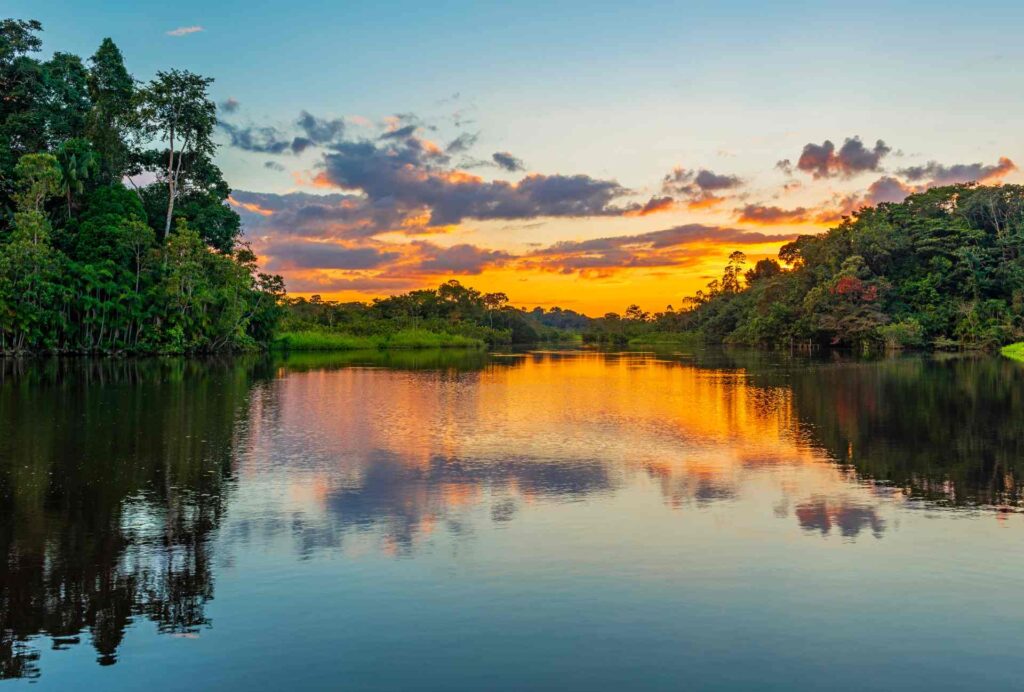
The Amazon Rainforest: Journey into the Planet’s Green Heart

No trip to Brasil is complete without witnessing the sheer scale of the Amazon Rainforest, recently spotlighted by Travel + Leisure as the core of its 2026 “Destination of the Year” feature. The primary gateway is Manaus, a bustling metropolis 1,500km deep in the jungle. Here, you can witness the “Meeting of Waters”—where the dark Rio Negro and the sandy Rio Solimões flow side-by-side without mixing—before heading to a remote eco-lodge. In 2026, the trend has shifted toward “Responsible Immersion,” with travelers opting for sustainable stays at lodges like Anavilhanas or Juma, where you can spot pink river dolphins, trek primary forests with indigenous guides, and participate in local conservation efforts.

Amazon Rainforest

💡Pro Tip: To reach the Amazon Rainforest, your best strategy is to fly Iberia to one of their major Brasilian gateways. For the “Deep Amazon” (Jungle lodges and river cruises), fly into São Paulo (GRU) or Rio de Janeiro (GIG) and take a domestic connection to Manaus (MAO). If you prefer the “Cultural Amazon” and world-class gastronomy, leverage Iberia’s brand-new direct routes to Fortaleza (FOR) or Recife (REC), which offer seamless connections to Belém (BEL)—saving you up to 6 hours of travel time compared to traditional routes. 2026 is a game-changer for Amazon travel. With Iberia’s massive 25% capacity increase in Brasil, you can now reach the northern rainforest hubs much faster. If you book during the Woffer Sale (ends Jan 26), you can snag round-trip fares to Fortaleza or São Paulo for as low as €645, leaving plenty of room in your budget for that luxury canopy lodge!