Istanbul is not just a city; it’s a feeling. It’s the scent of roasted chestnuts on a crisp October morning, the hauntingly beautiful call to prayer echoing across the Golden Horn, and the chaotic, colorful dance of the Grand Bazaar. In 2026, the city is more vibrant than ever, blending its Byzantine and Ottoman bones with a cutting-edge contemporary art scene and a world-class culinary revolution.
If you are planning an Istanbul itinerary, you know that a single travel guide can’t cover it all. That is why this article focuses on a must-see highlight: The Basilica Cistern (Yerebatan Sarnici). For fans of mystery and suspense, this ‘Sunken Palace’ holds a cinematic secret. This is the very site where the climax of Dan Brown’s Inferno unfolds. Standing among the marble columns, it’s easy to imagine Robert Langdon wading through these waters to stop a global plague. Whether you’re chasing the trail of the Medusa heads or looking for the best hotels in Sultanahmet, this guide provides the essential local tips for your 2026 visit.
Why Visit Istanbul in 2026?
Istanbul remains one of the few places on earth where you can physically walk between two continents. But beyond the novelty, 2026 marks a year of “New Heritage.” The city has recently completed massive restorations on the Hagia Sophia and the Basilica Cistern, and the new Galataport district has transformed the Karakoy waterfront into a hub of luxury and culture.
Basilica Cistern
Forget what you’ve seen in James Bond movies; the newly renovated Basilica Cistern is even more atmospheric.
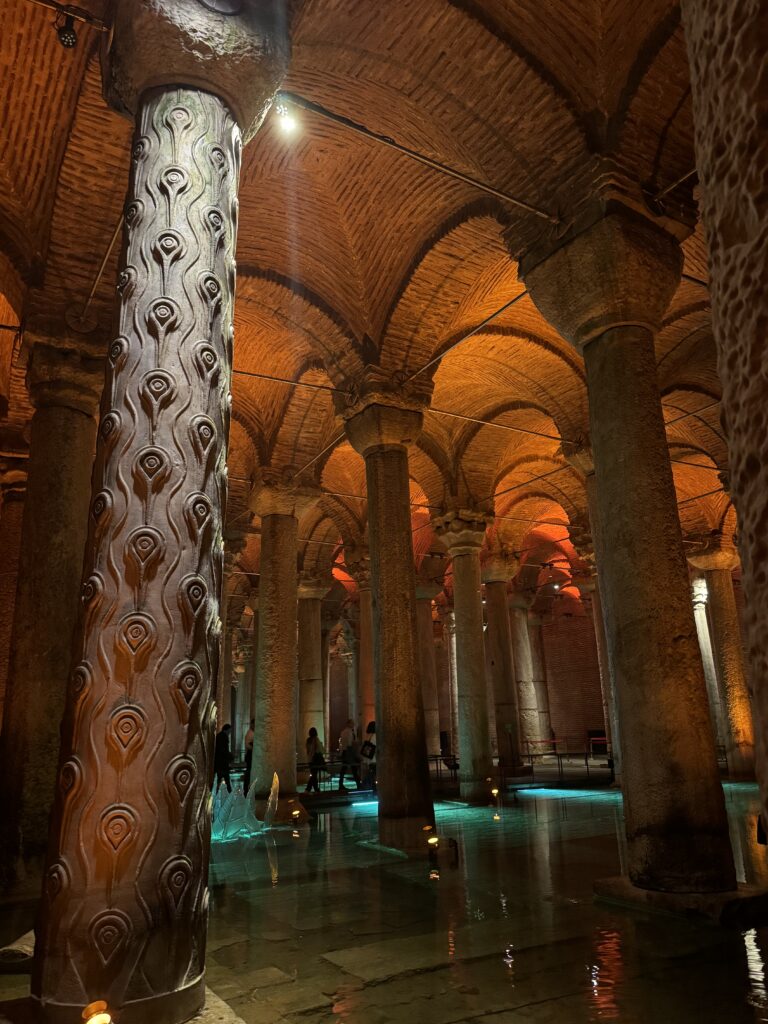
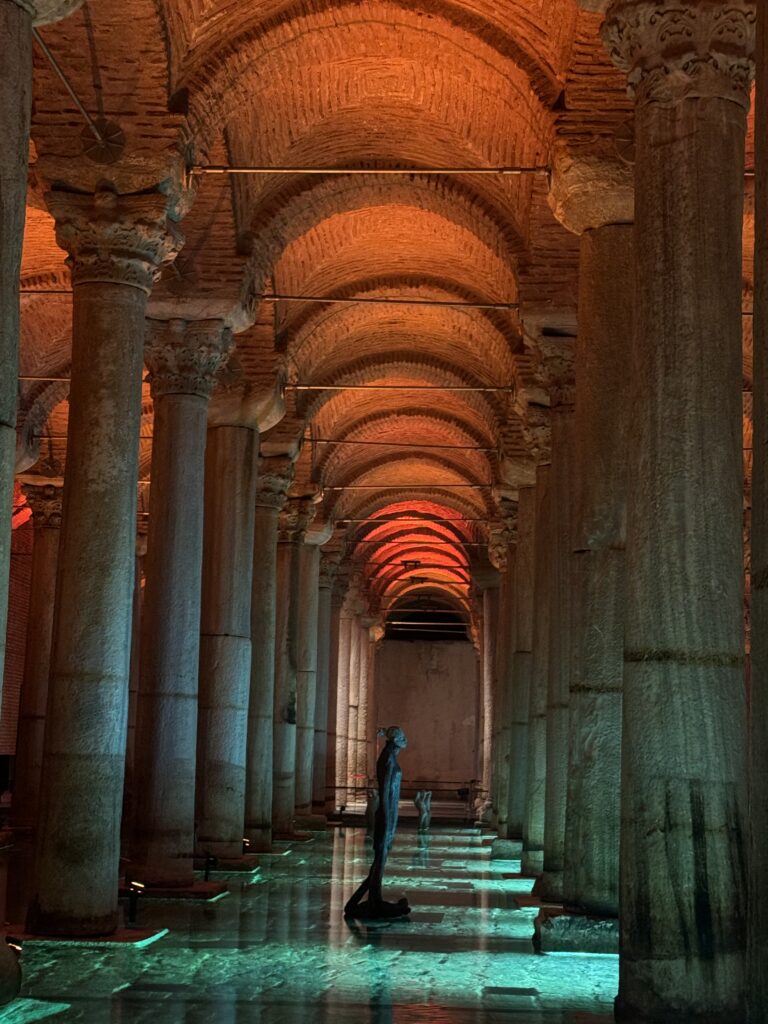
Descending into the Basilica Cistern is like entering a subterranean cathedral. Built in 532 AD by Byzantine Emperor Justinian I, this “Sunken Palace” is the largest of Istanbul’s ancient underground reservoirs and a masterclass in Roman engineering.
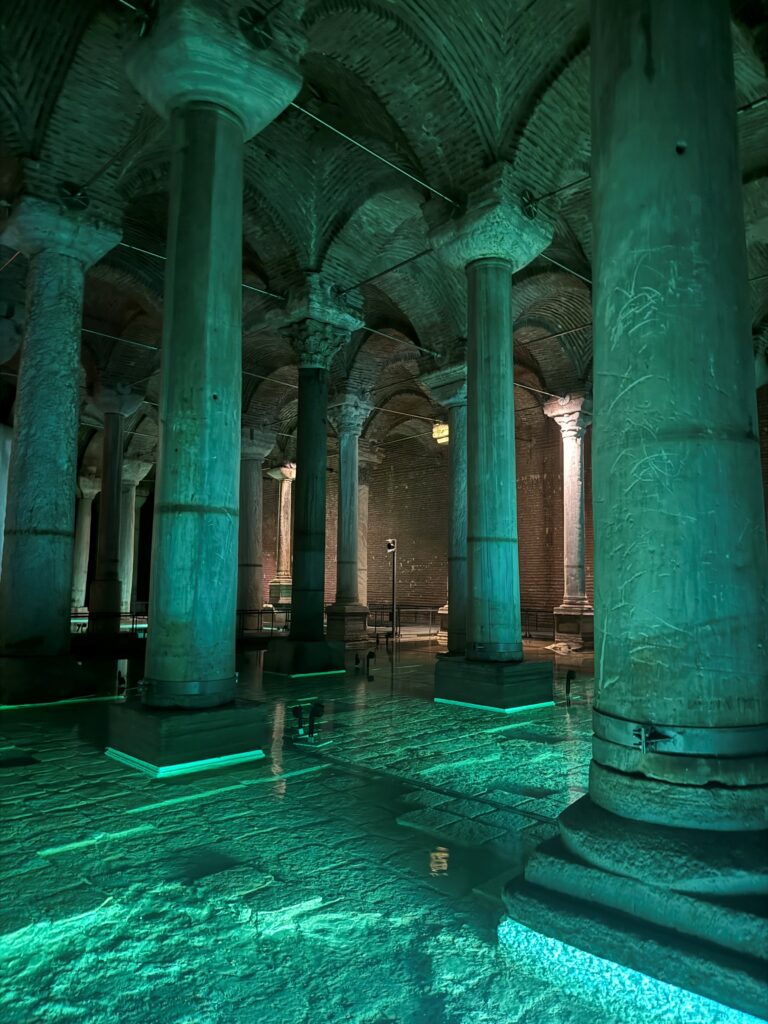
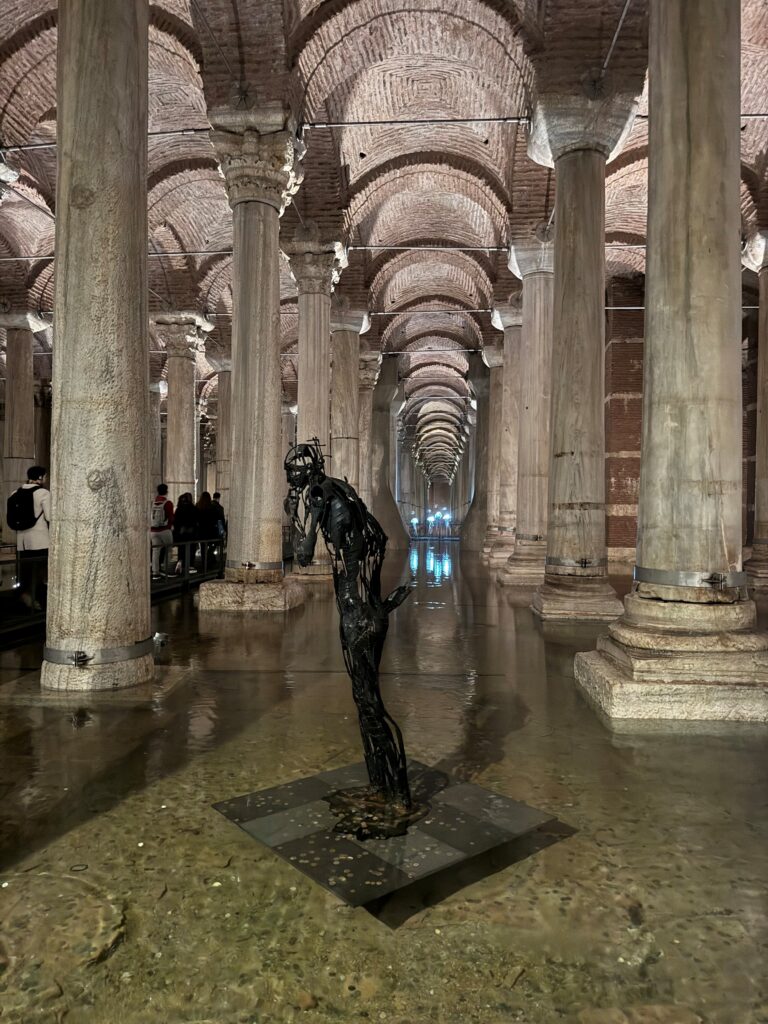
Following a multi-year restoration, the cistern is more breathtaking than ever. The 2026 experience features a new, lower footbridge that brings you inches from the water’s surface, reflecting the 336 marble columns that support the massive brick vaults. The atmospheric lighting has been modernized to highlight the “forest of stone,” making it a dream for photographers and history buffs alike.
Highlights of the Sunken
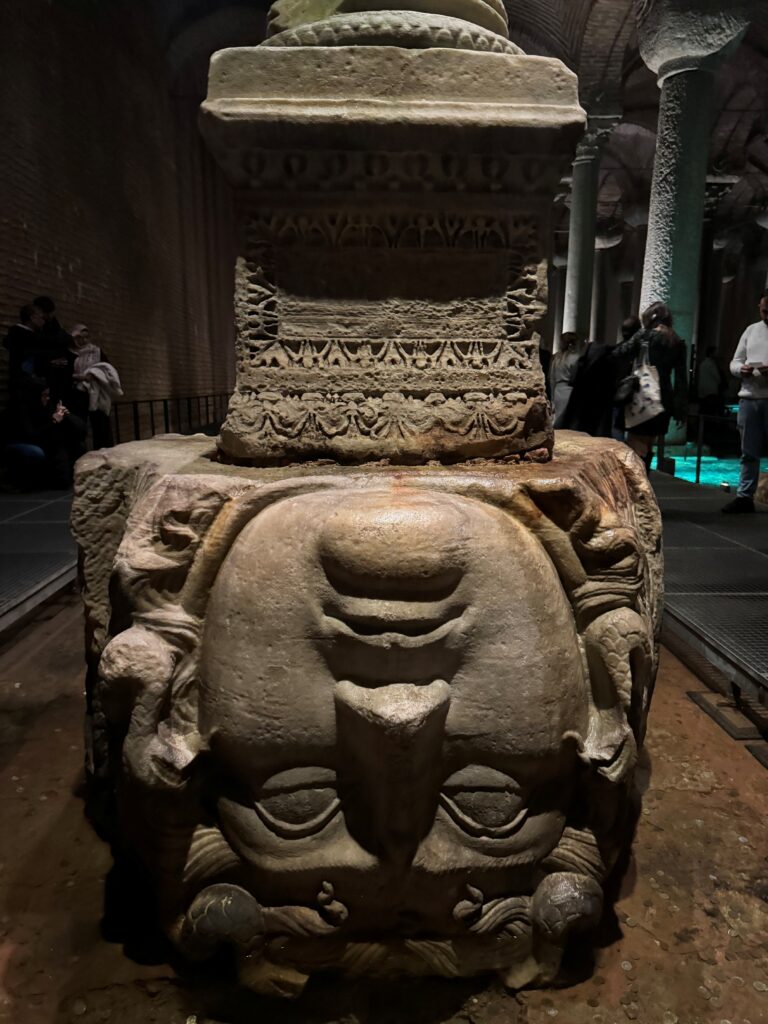
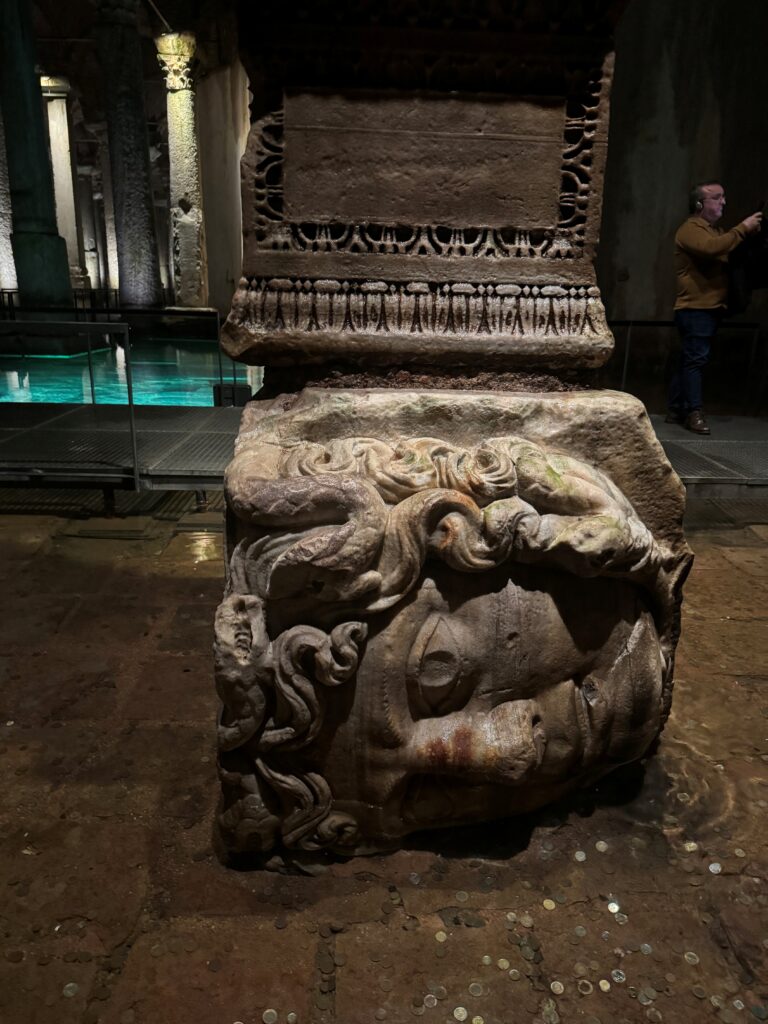
The Medusa Heads: In the northwest corner, you’ll find two mysterious column bases carved as Medusa’s face—one placed sideways and the other upside down. Legend says this neutralized her petrifying gaze. While the cistern was built in 532 AD, the Medusa heads are much older. They are what historians call spolia—repurposed building materials taken from older Roman pagan temples or forums. During the construction of the cistern, Emperor Justinian’s architects were more focused on structural integrity than art history. They needed two extra-large blocks to serve as bases for shorter columns, and these massive marble Gorgons were the perfect size.
The Weeping Column: The column often appears to be “weeping” because it is perpetually damp. While science attributes this to the cistern’s high humidity and capillary action (water traveling through the stone), the effect creates a glistening, tear-like appearance on the carvings. The most enduring story about the column is that it was erected to honor the 7,000 slaves who labored to build the cistern in the 6th century under Emperor Justinian I. It is said that hundreds of workers died during the grueling construction in the damp, dark underground, and the column’s “tears” represent the eternal mourning for their lives. Much like its counterpart in the nearby Hagia Sophia, the Weeping Column is a popular spot for visitors seeking good luck:
- The Ritual: There is a hole in the column where visitors often place their thumb.
- The Wish: Tradition dictates that if you rotate your thumb in a full circle while making a wish and your thumb comes out moist, your wish will be granted.
Why Medusa Heads Upside Down and Sideways?
This is the #1 question travelers ask. There are two main theories that keep historians debating:
The Mythological Shield: In Greek mythology, Medusa’s gaze turned anyone who looked at her into stone. Legend says the builders placed one head upside down and the other sideways to “deactivate” her powers. By altering her orientation, they believed they were protecting the workers and the city from her petrifying stare.
The Religious Power Move: In the 6th century, the Byzantine Empire was staunchly Christian. Some scholars believe that placing these pagan symbols at the very bottom of a dark, watery pit—and turning them upside down—was a symbolic “humiliation” of the old gods to affirm the triumph of Christianity.
The Legend of the Medusa Sarcophagus
Local folklore adds an even darker layer. For centuries, a rumor persisted that a Medusa Sarcophagus was hidden in a secret corridor of the cistern. Legend says that when it was opened, the mummified remains of a creature with a human head and a snake’s body were found. While modern archaeology hasn’t found a mummy, the “haunted” vibe of the cistern makes the story feel entirely possible as you walk the dimly lit paths.
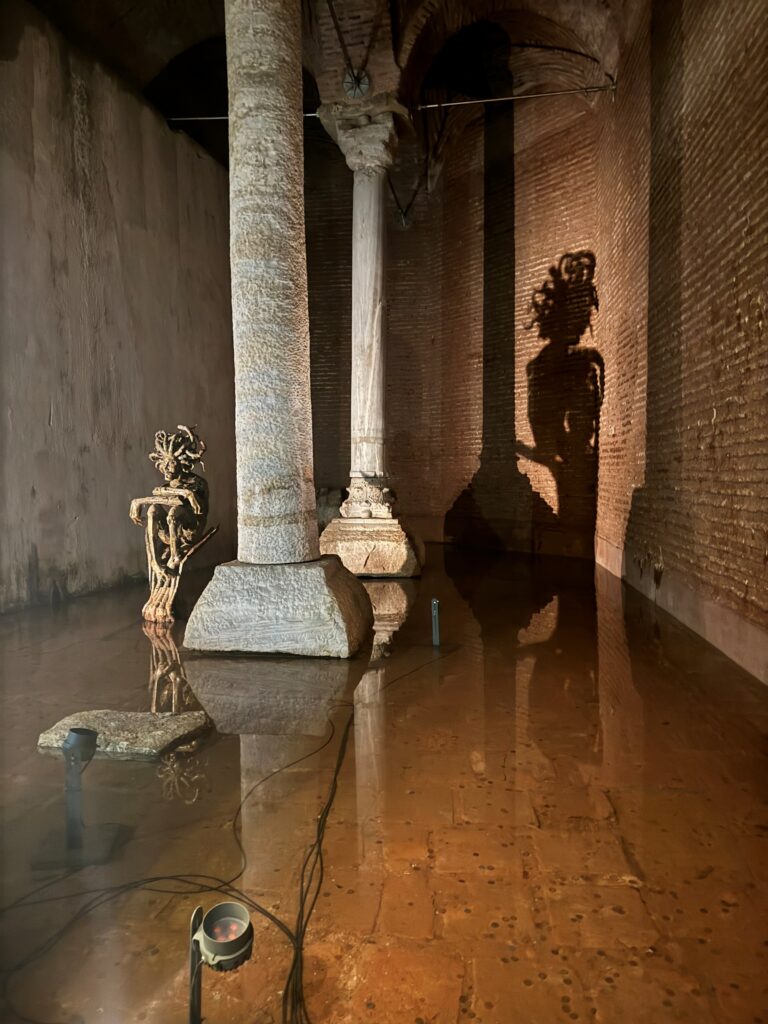
“Inferno” vs. Reality: In the novel and movie, there is a dramatic chase through high waters. In reality, the water level is kept quite low today to protect the column bases, and you walk on a modern, dry pier—though the atmosphere remains just as haunting!
In 2026, the Basilica Cistern has moved far beyond being a static archaeological site. Following its landmark restoration by İBB Miras, it has been reimagined as a “Living Museum”—a space where 1,500-year-old Byzantine engineering serves as a canvas for the world’s most cutting-edge artists.
If you’re a fan of immersive travel, here is why the 2026 art integration is a game-changer for your Istanbul itinerary.
The Basilica Cistern 2026: Istanbul’s “Sunken Palace” Reimagined
The Basilica Cistern has evolved from a static archaeological site into a breathtaking “Living Museum.” Following the landmark restoration by İBB Miras, this 1,500-year-old feat of Byzantine engineering now serves as a subterranean canvas for the world’s most cutting-edge contemporary artists.
If you’re a fan of immersive travel experiences, the new art integration is a total game-changer for your Istanbul itinerary. Here is why this underground marvel is a must-visit this year.
Plan Your Visit: 2026 Quick Facts
2026 Ticket Price -> 1,500 TL (Day) / 2,400 TL (Night Shift)
Visiting Hours -> 09:00 – 18:30 (Day) & 19:30 – 22:00 (Night)
Best For ->Art Lovers, History Buffs, Photography
Top Tip -> Use an Istanbulkart for a seamless entry
1. The “Deeper Beneath” Concept: Contemporary Museology
The cistern now operates under a “Contemporary Museology” approach. Curators no longer simply “place” statues; they curate pieces that interact with the unique subterranean environment—the stagnant water, the haunting echoes, and the 90% humidity.
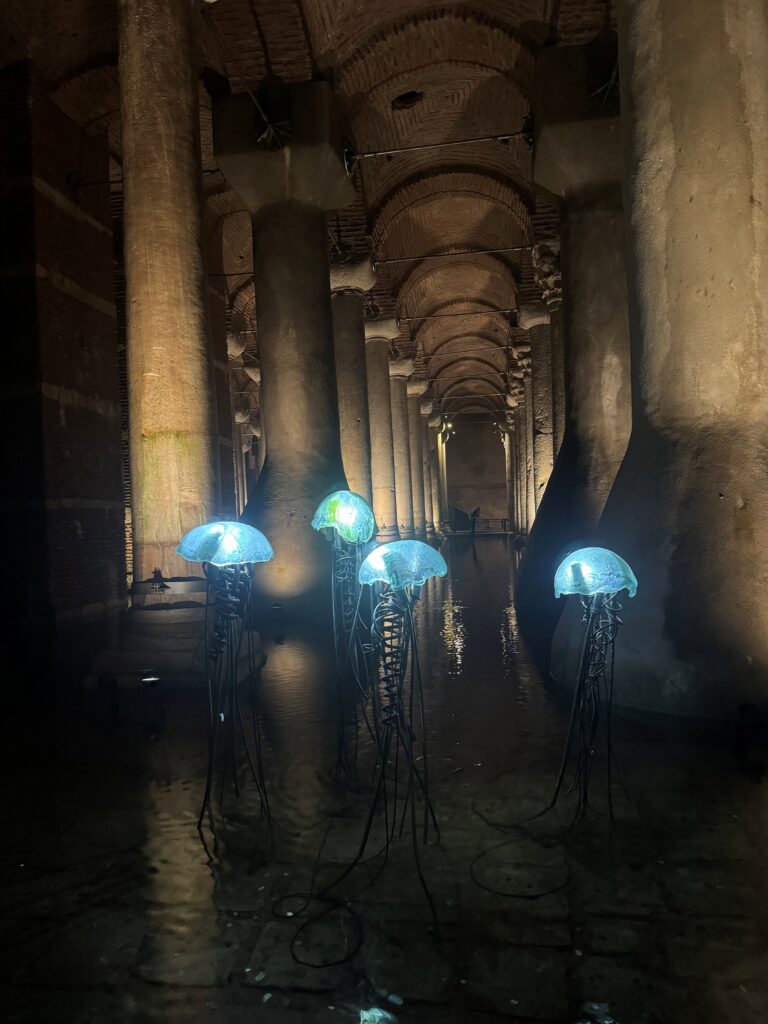
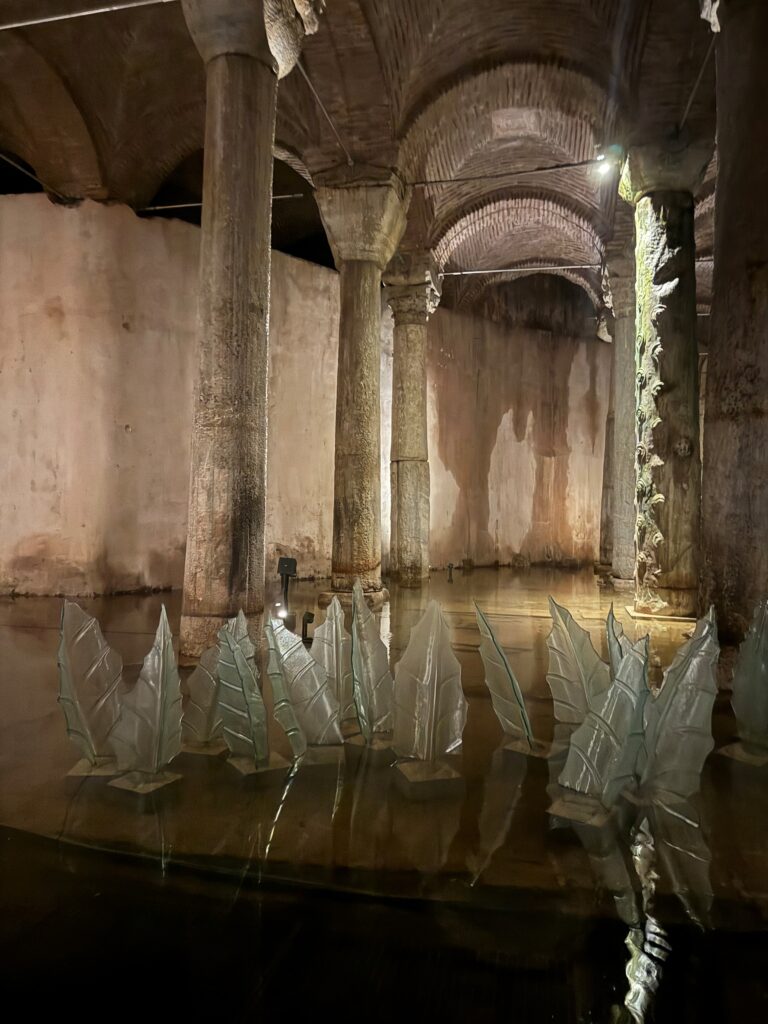
Sculptures Emerging from the Abyss: Look for masterpieces by Ozan Ünal and Yasemin Aslan Bakiri. These sculptures are strategically positioned to appear as if they are floating or rising directly from the reservoir floor, bridging the gap between ancient stone and modern soul.
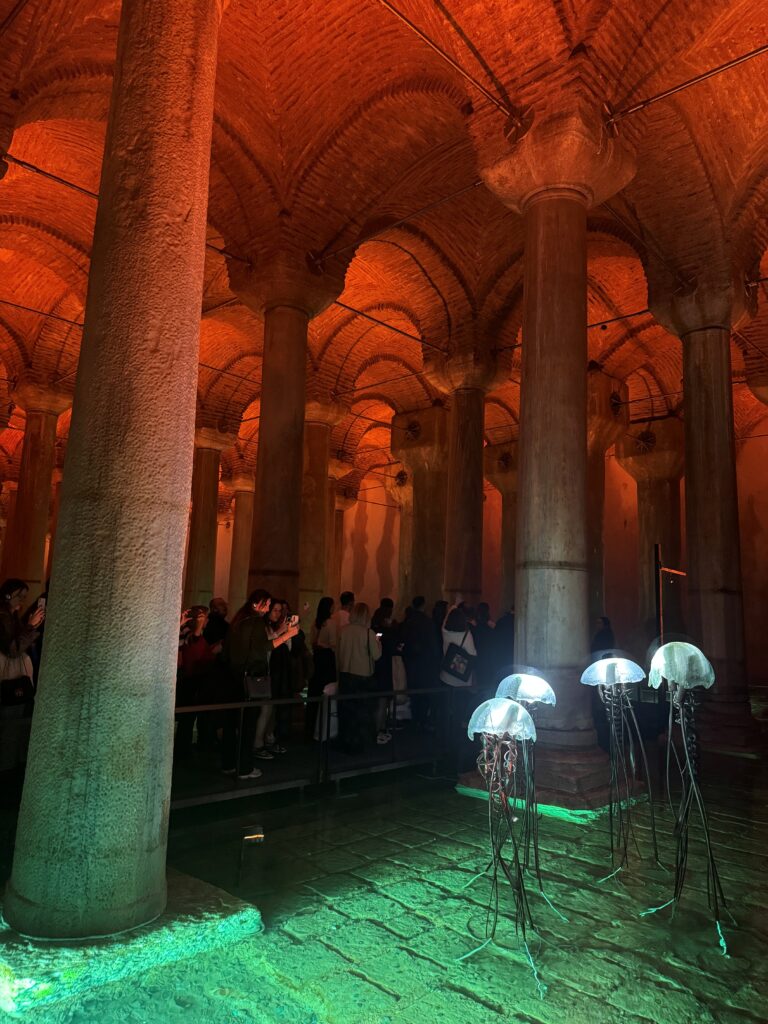
A Symphony of Materials: You’ll encounter installations crafted from Bohemian crystal, transparent glass, and rare 6,500-year-old subfossil oak. These materials play with the light and water reflections to create a ghostly, “alive” atmosphere that traditional museums simply cannot replicate.
2. Dynamic Light & Sound Design: An Immersive Journey
Forget the static yellow floodlights of the past. The 2026 lighting system is fully responsive and atmospheric.
The 360° Light Show: At specific intervals, the “Sunken Palace” undergoes a total transformation. Waves of deep crimson, turquoise, and amber sweep across the 336 marble columns, synchronized with ambient soundscapes that amplify the rhythmic dripping of water.
Digital Projection Mapping: Taking inspiration from the nearby Theodosius Cistern, the Basilica now hosts 3D projection mapping events. These digital displays project Istanbul’s epic history—from Byzantine origins to the Ottoman era—directly onto the ancient brick vaults.
3. The “Night Shift”: Exploring Istanbul After Dark
If you want to avoid the crowds and experience a true hidden gem, the ‘Night Shift’ is my top recommendation. Between 19:30 and 22:00, the cistern sheds its daytime tourist skin and transforms into an exclusive, atmospheric cultural hub. Between 19:30 and 22:00, the cistern transforms into an exclusive cultural hub.
Underground Acoustic Concerts: Imagine the haunting sound of a cello solo or a traditional Sufi flute (Ney) echoing through the chambers while you stand beside the mysterious Medusa Heads.
Darkness of Basilica Events: This experiential art program allows visitors to navigate the space through scent and sound alone. This sensory-deprivation experience challenges your perception before the lights slowly rise to reveal the hidden sculptures.
Waking Up in History: The Best Stays Near the Basilica Cistern
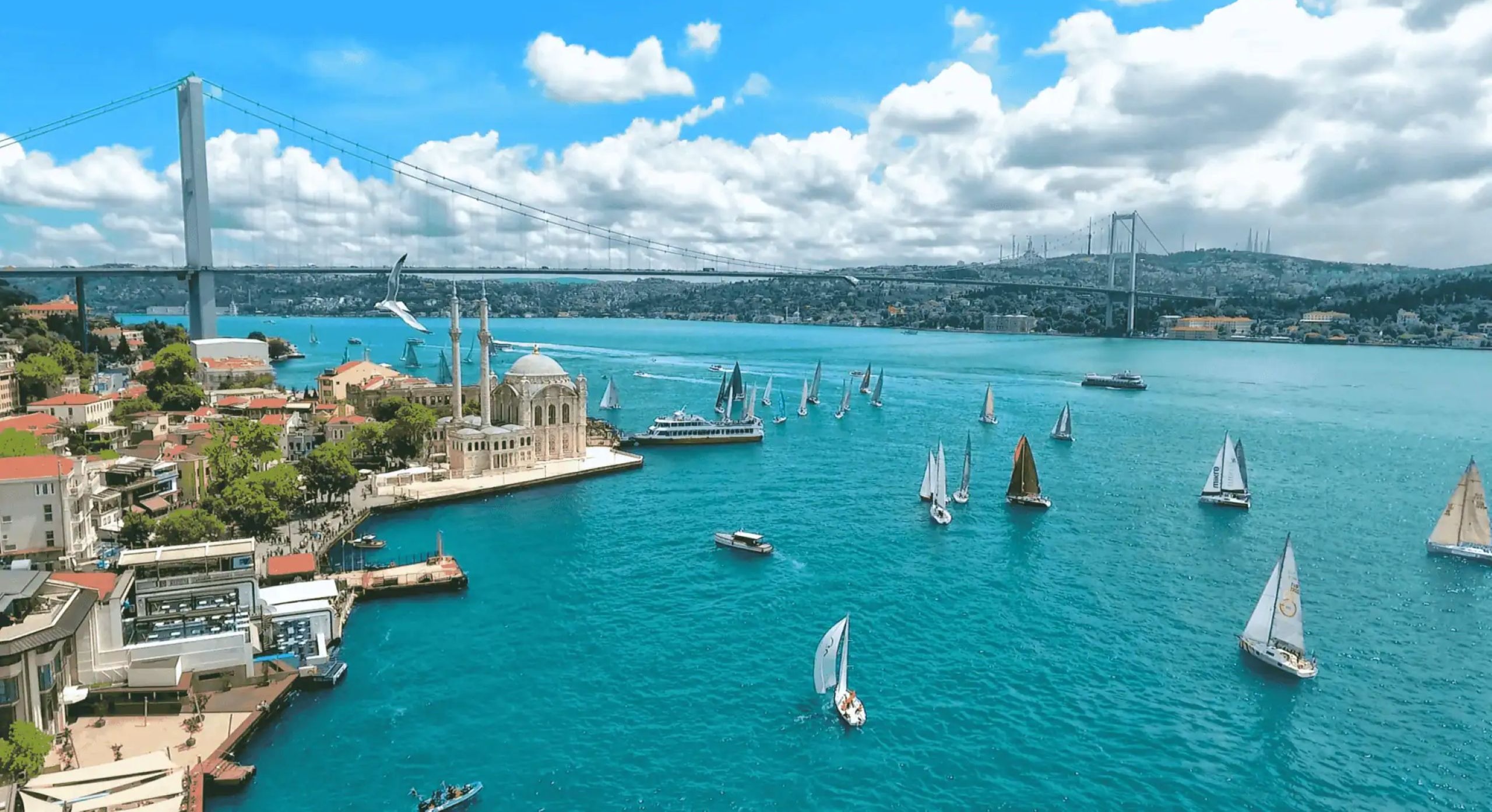
After emerging from the subterranean silence of the Basilica Cistern, you’ll likely feel the weight of Istanbul’s 1,500-year history. To keep that magic alive, you don’t want to commute an hour back to a sterile modern hotel. You want to stay where the call to prayer and the scent of Turkish coffee are your morning alarm.
The Sultanahmet district is the heart of the Old City. Because this area is so popular, the best deals disappear fast.
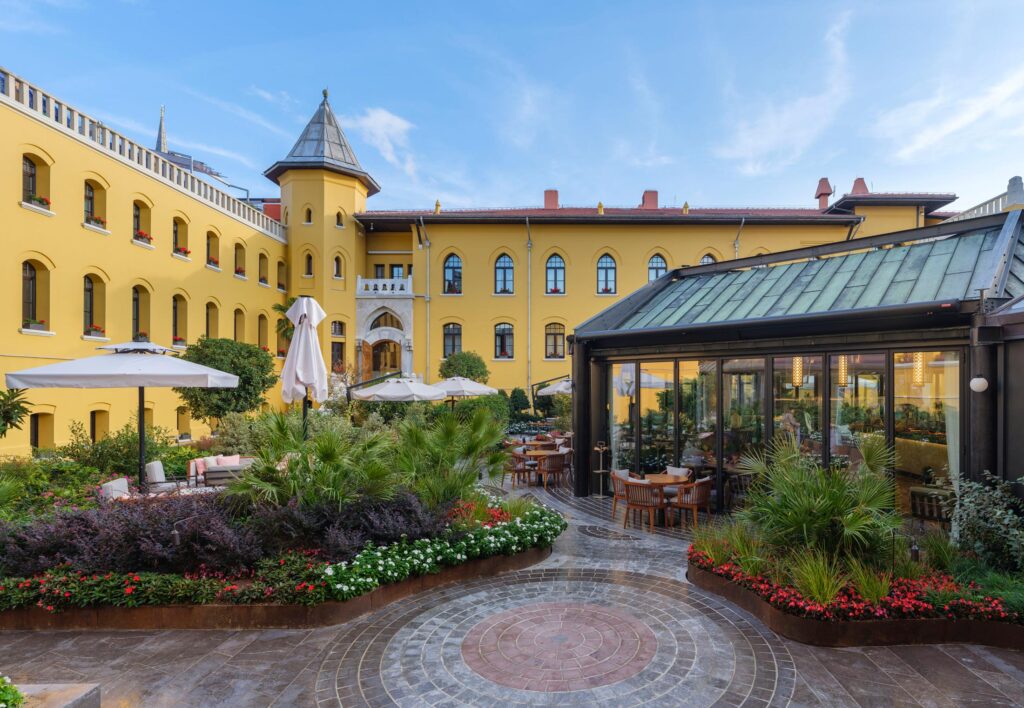
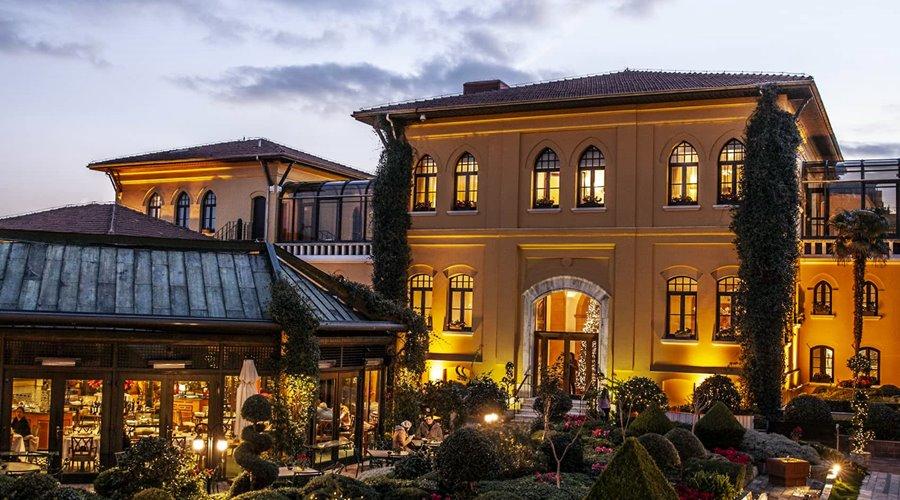
1. The Luxury Experience: Four Seasons Hotel Istanbul at Sultanahmet
Located literally steps from the Cistern, this is a world-famous hotel housed in a century-old neoclassical prison.
Why stay here: The rooftop offers an unobstructed view of the Hagia Sophia that will take your breath away.
Best for: Honeymooners and luxury seekers.
View Rates on Hotels.com with extra discount via following link: 🏨 Check Today’s Deals in Istanbul
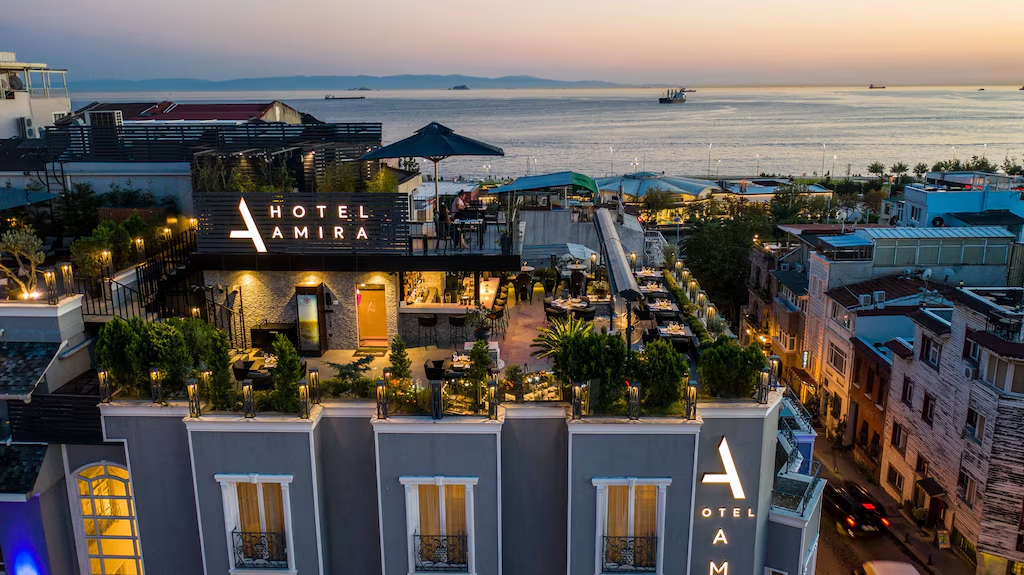
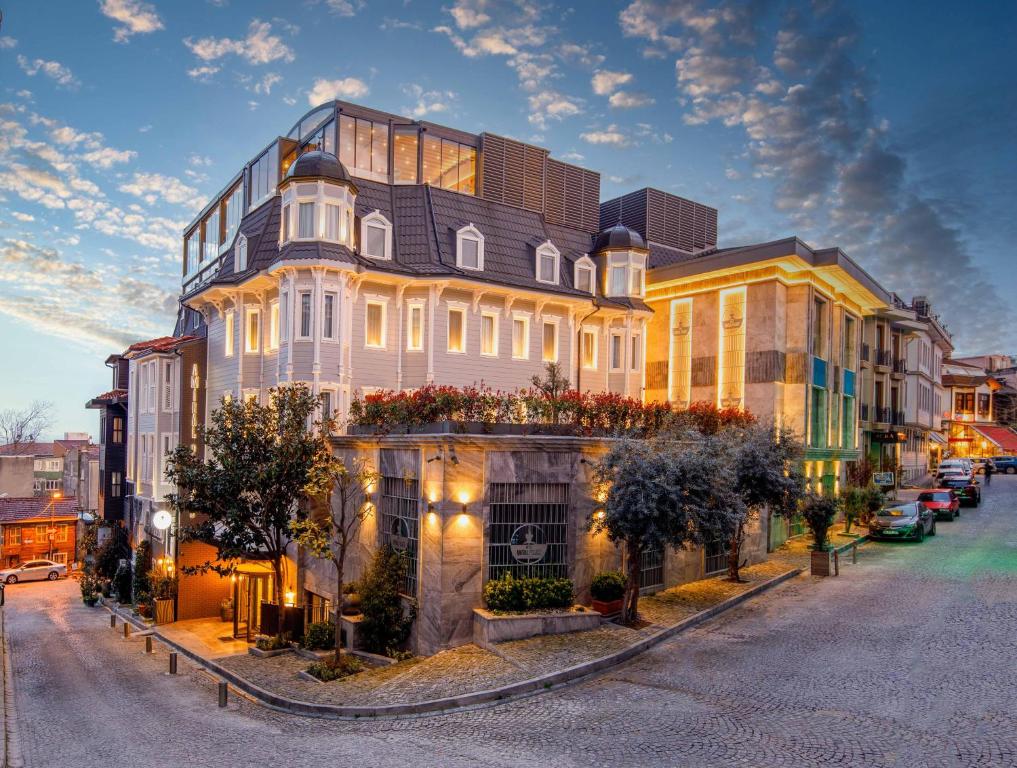
2. The Boutique Gem: Hotel Amira Istanbul
If you want modern comfort with a traditional twist, this boutique spot is a fan favorite. It’s known for its “Wellness” focus and incredible Turkish breakfast spread.
Why stay here: It’s tucked away from the main tourist noise but only a 5-minute walk to the Cistern entrance.
Best for: Couples and design lovers.
View Rates on Hotels.com with extra discount via following link: 🏨 Check Today’s Deals in Istanbul
3. The Budget-Friendly Classic: Cheers Lighthouse
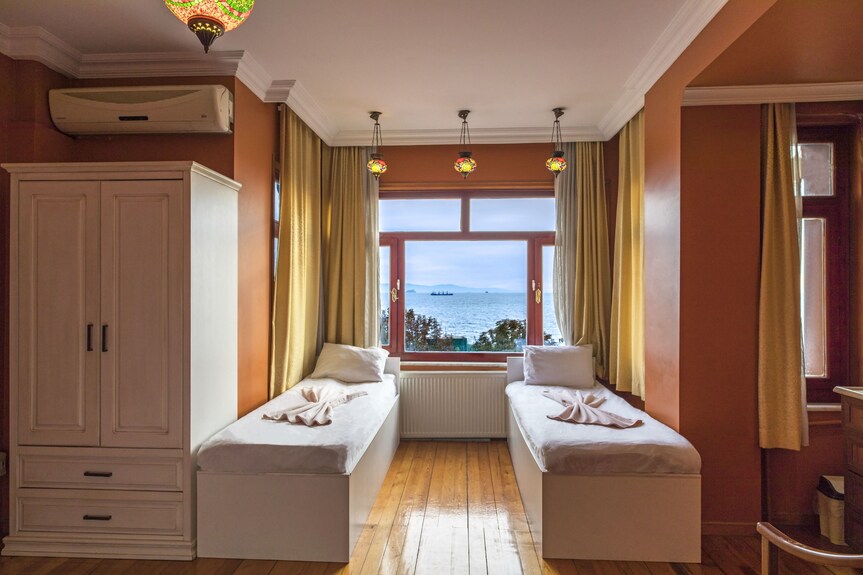
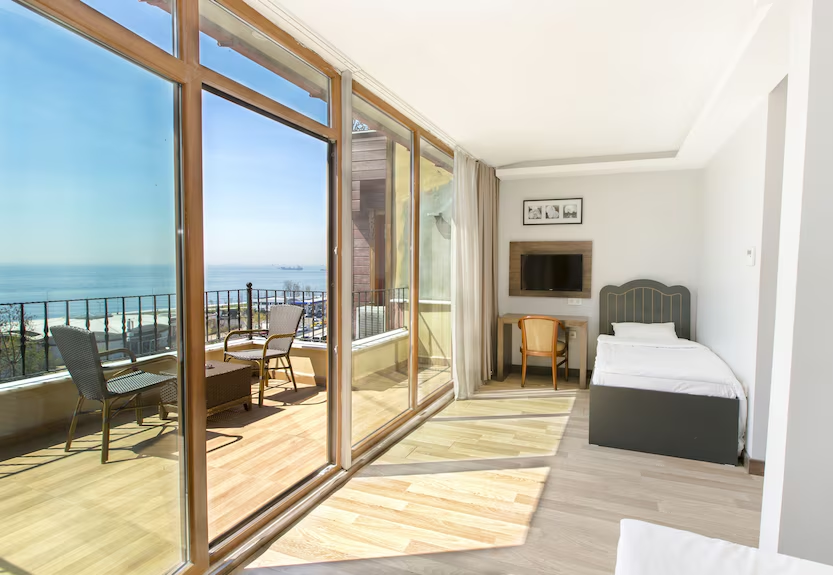
Staying in the Old City doesn’t have to break the bank. This bright, clean, and friendly spot offers private rooms with ocean views at a fraction of the cost of nearby giants.
Why stay here: Excellent value for the location.
Best for: Solo travelers and budget-conscious explorers.
Find the Best Prices Here at Hotels.com with extra discount: 🏨 Check Today’s Deals in Istanbul
Where to Eat: From Street Food to Rooftops
Between exploring the Medusa heads and checking into your hotel, you’ll need to refuel. Avoid the “tourist traps” on the main tram line and try these:
Tarihi Sultanahmet Köftecisi Selim Usta: Since 1920, they’ve served the best köfte (meatballs) in the city. It’s fast, historic, and right next to the Basilica.
Seven Hills Rooftop: For the “Money Shot.” Even if you just go for a tea, the view of the Blue Mosque and Hagia Sophia is the best in Istanbul.
Balikci Sabahattin: A short walk away, this family-run seafood restaurant in a historic wooden house is where the locals go for a special meal.
💰 Reader Discount: Planning your Istanbul trip? I always recommend booking through this Hotels.com deals page. They often have “Secret Prices” for members (free to join) that aren’t visible on other search engines. I used it to save 20% on my last stay in Sultanahmet!