To truly understand Poland – its indomitable spirit, its profound historical narrative, and its vibrant contemporary soul – one must embark on a dual journey to its two most emblematic cities: Warsaw and Krakow. These are not merely urban centers; they are living testaments to human resilience, artistic grandeur, and a deeply rooted sense of identity forged in the crucible of triumph and tragedy. While Krakow stands as a preserved jewel of medieval splendor, Warsaw rises as a phoenix, a powerful symbol of rebirth. Together, they offer a philosophical and spiritual pilgrimage into the heart of a nation that has consistently defied its oppressors and rebuilt its destiny.

For the discerning traveler seeking more than just picturesque sights – one who yearns to peel back the layers of history, to contemplate the nature of suffering and hope, and to find profound meaning in the journey – this Polish odyssey offers an unparalleled opportunity to connect with the enduring human spirit.

Warsaw: The Phoenix City – A Testament to Unbreakable Will

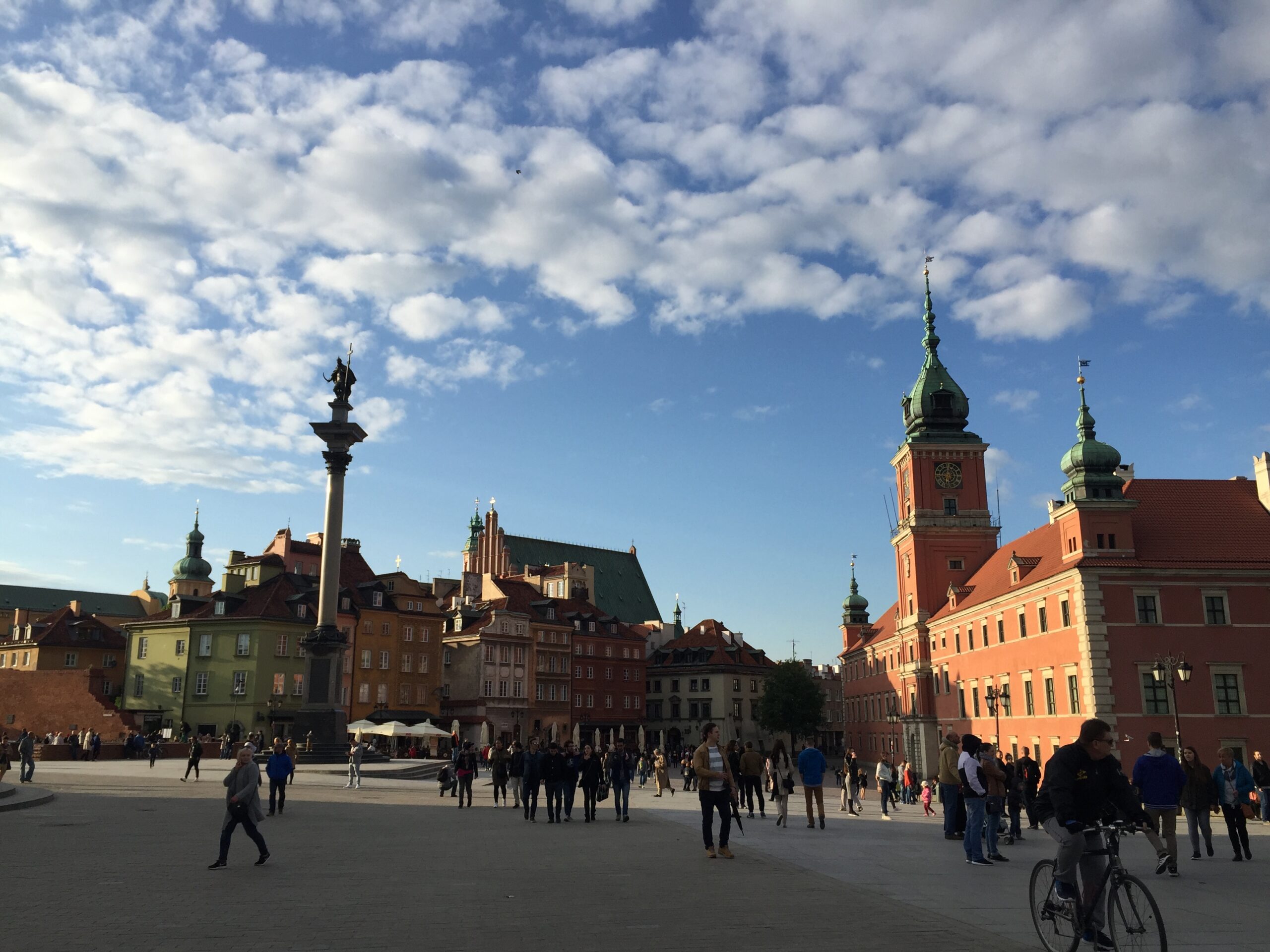
Our journey begins in Warsaw, a city whose story is perhaps one of the most remarkable and poignant in all of Europe. Unlike many ancient capitals, Warsaw’s grandeur lies not in its pristine preservation, but in its audacious and heroic resurrection. Ninety percent destroyed during World War II, its historic core was reduced to rubble by Nazi Germany as a brutal reprisal for the Warsaw Uprising of 1944. Yet, from this annihilation, Warsaw performed a near miracle: it rebuilt itself, meticulously, piece by painstaking piece, rising again from its own ashes. Its Old Town, a UNESCO World Heritage site, is not genuinely medieval, but a breathtaking, faithful reconstruction – a monument not of stone, but of unconquerable human will.  Explore the Market Square (Rynek Starego Miasta), admire the colorful facades, and visit St. John’s Archcathedral and the Royal Castle. Understand that every brick, every detail, is a testament to extraordinary human effort and national pride. It’s a profound architectural and spiritual act of remembrance.

Walking through Warsaw’s recreated Old Town is a profound philosophical experience. It forces a contemplation on memory, collective trauma, and the sheer audacity of hope. What does it mean to rebuild a past so completely? It speaks to a deep spiritual connection to heritage, a refusal to let an aggressor erase identity, and an unwavering belief in the future. The city doesn’t hide its scars; rather, it transforms them into monuments of remembrance and resilience.

Beyond the Old Town, Warsaw is a city of layers. Its Communist-era architecture, notably the imposing Palace of Culture and Science (a “gift” from Stalin), stands as a powerful reminder of a different era of subjugation, now repurposed into a vibrant cultural hub. Modern skyscrapers pierce the skyline, symbolizing Poland’s rapid economic growth and its embrace of the future, while vibrant districts like Praga offer a grittier, more authentic glimpse into pre-war Warsaw that survived the devastation largely intact.

Warsaw challenges you to confront difficult truths, to understand the depths of human cruelty, but ultimately, to witness the extraordinary capacity for a nation to heal, remember, and flourish. It’s a city that teaches an unforgettable lesson in resilience, a testament to the fact that while buildings can fall, the human spirit, imbued with an unbreakable connection to its past, can always rise.


Market Square (Rynek Starego Miasta)

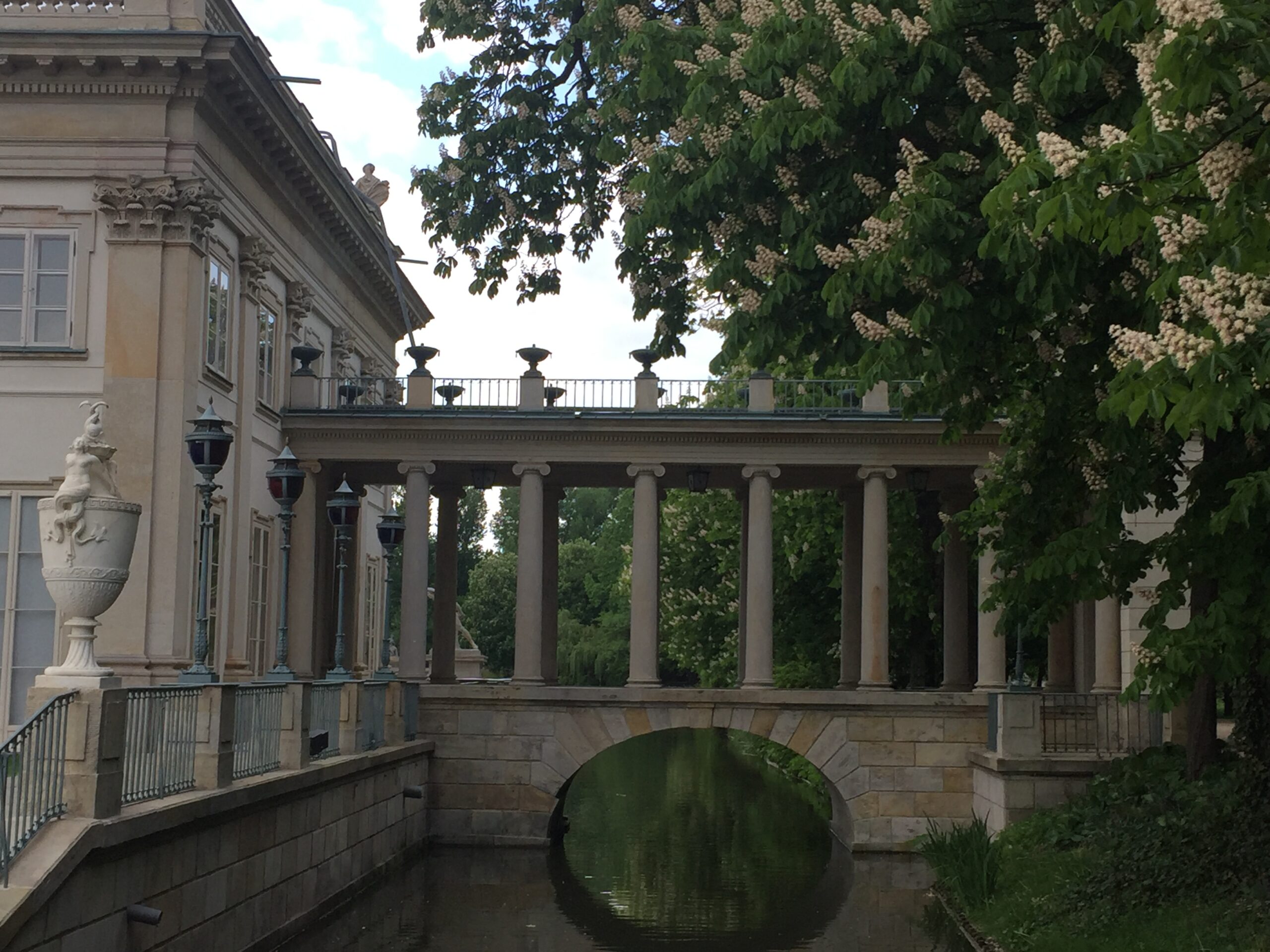
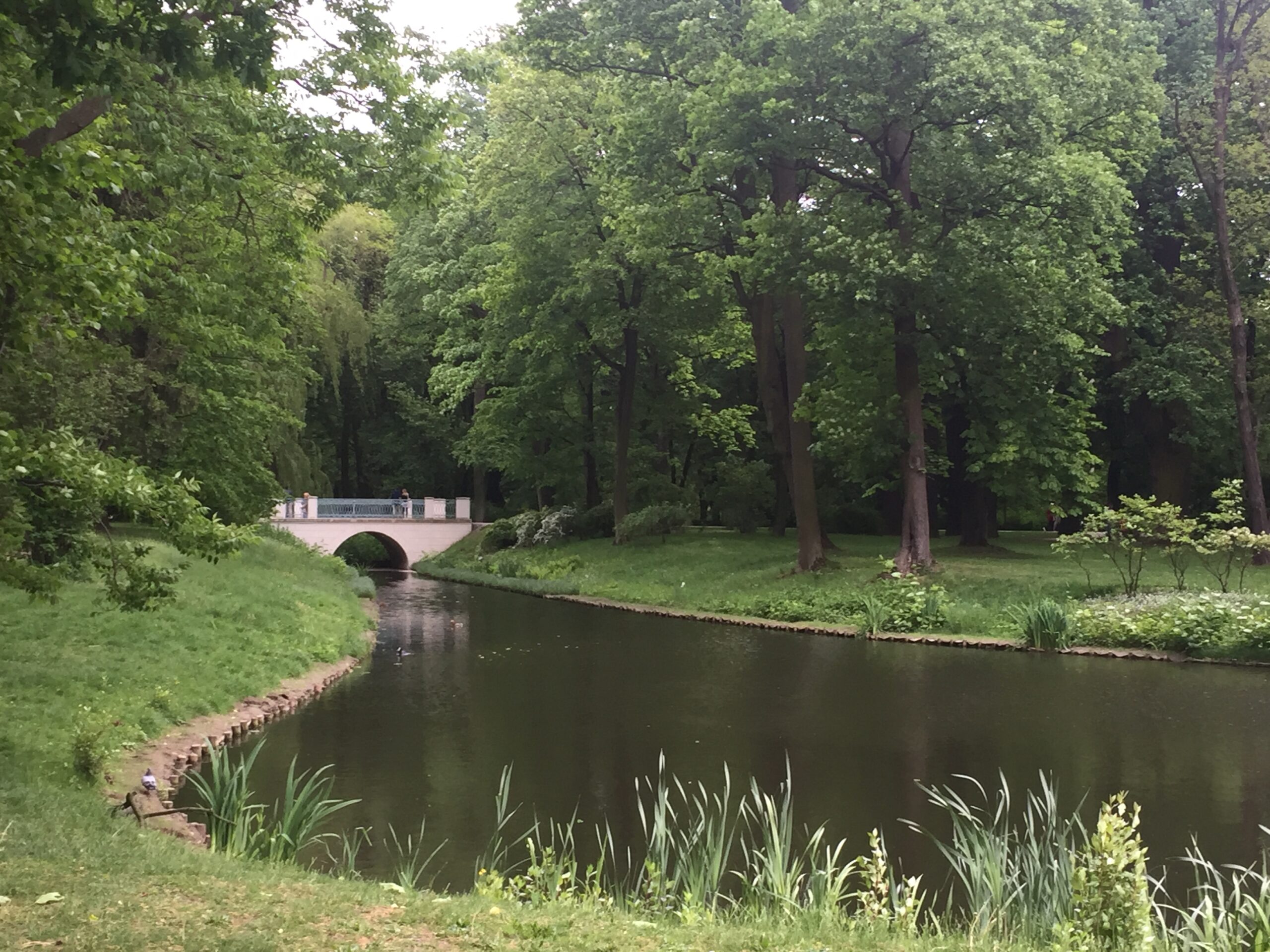
Stroll Lazienki Park: A vast and beautiful park, home to palaces, a classical amphitheater, and the famous Chopin monument. It’s a peaceful retreat for contemplation, offering a glimpse into the elegance of pre-war Warsaw. Attend a free Chopin concert on summer Sundays for a spiritual musical experience.

Immerse Yourself in History at the Warsaw Uprising Museum: This is not just a museum; it’s a deeply emotional experience. Through multimedia exhibits, personal testimonies, and artifacts, you’ll gain a harrowing yet inspiring understanding of the 1944 uprising and the city’s heroic, tragic fight for freedom. Allow ample time for reflection here; it’s a powerful and vital lesson in history and human courage.

Contemplate Identity at the POLIN Museum of the History of Polish Jews: An architectural masterpiece and a profound narrative journey. This award-winning museum delves into 1,000 years of Jewish life in Poland, celebrating its rich culture while also confronting the tragedy of the Holocaust. It’s an essential visit for understanding the complex tapestry of Polish identity and a powerful experience in empathy and remembrance.

Originally a symbol of Soviet dominance, this colossal building now stands as a cultural and exhibition center. Ascend to its observation deck for panoramic views of the city, offering perspective on Warsaw’s past, present, and future skyline. Its transformation reflects the city’s ability to reclaim its narrative.

Discover Praga District: Cross the Vistula River to explore Praga, the only district that largely survived WWII unscathed. Its gritty, artistic charm, pre-war tenement buildings, and vibrant street art offer a raw contrast to the rebuilt city center. Visit the Orthodox Church, Koneser Centre, and soak in its bohemian atmosphere.

Krakow: The Timeless Soul – A Jewel of Enduring Grandeur

A few hours south of Warsaw by train lies Krakow, Poland’s historic royal capital and, in many ways, its enduring spiritual heart. Unlike Warsaw, Krakow largely escaped the devastation of World War II, preserving its magnificent medieval core almost entirely intact. This immediate visual difference sets the stage for a distinct experience: where Warsaw evokes resilience and reconstruction, Krakow whispers tales of uninterrupted grandeur, intellectual pursuit, and profound cultural continuity.

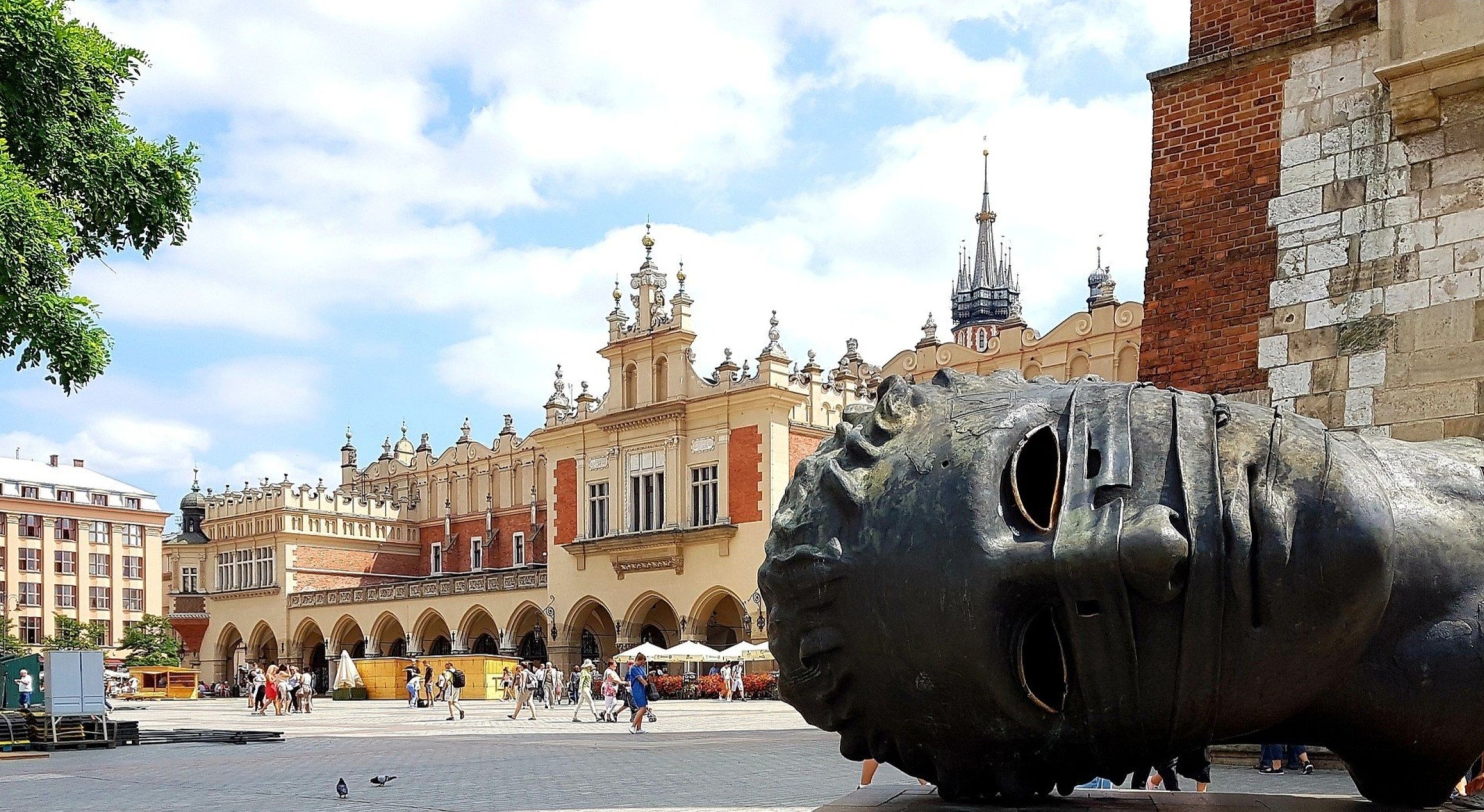
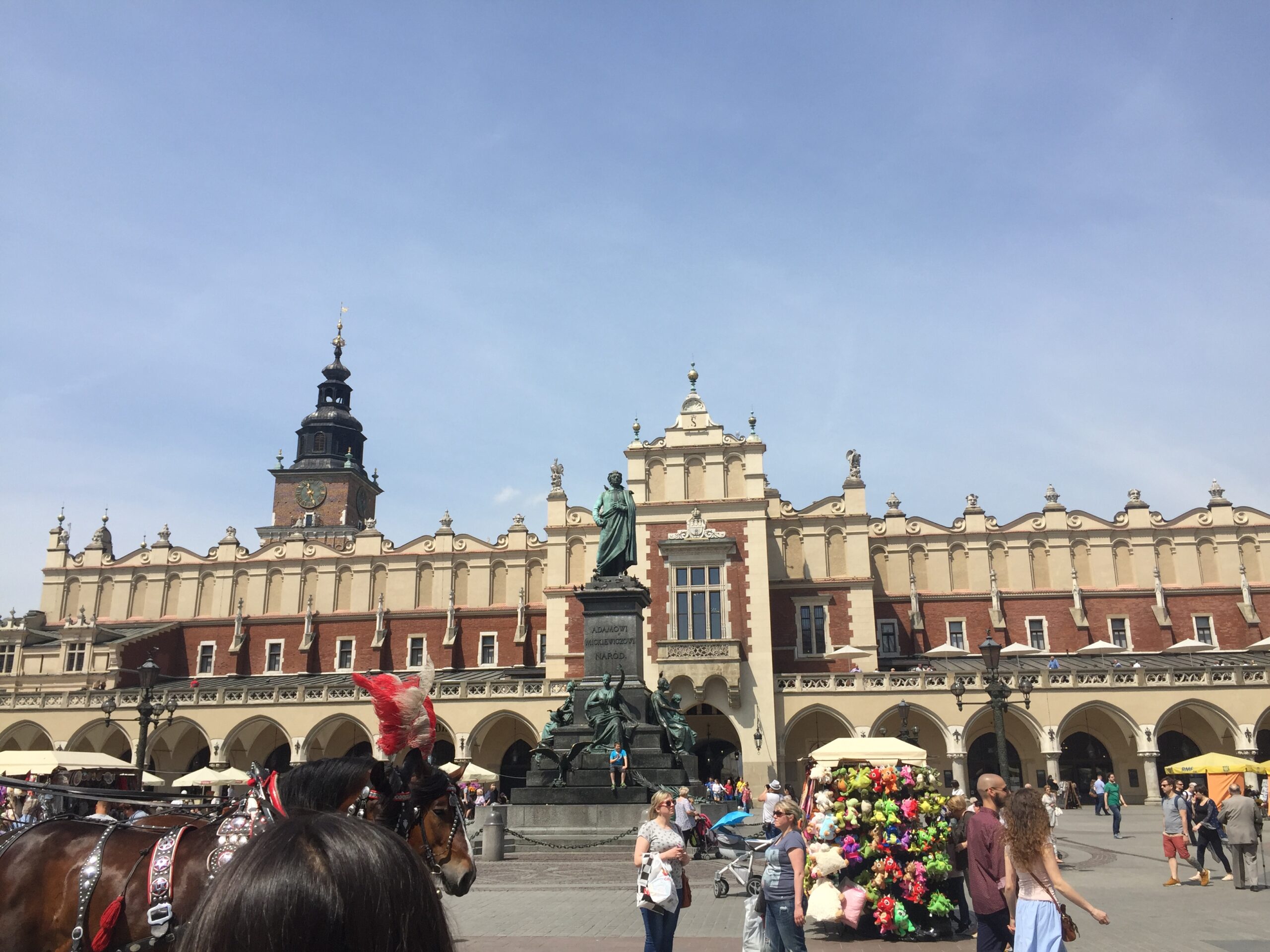
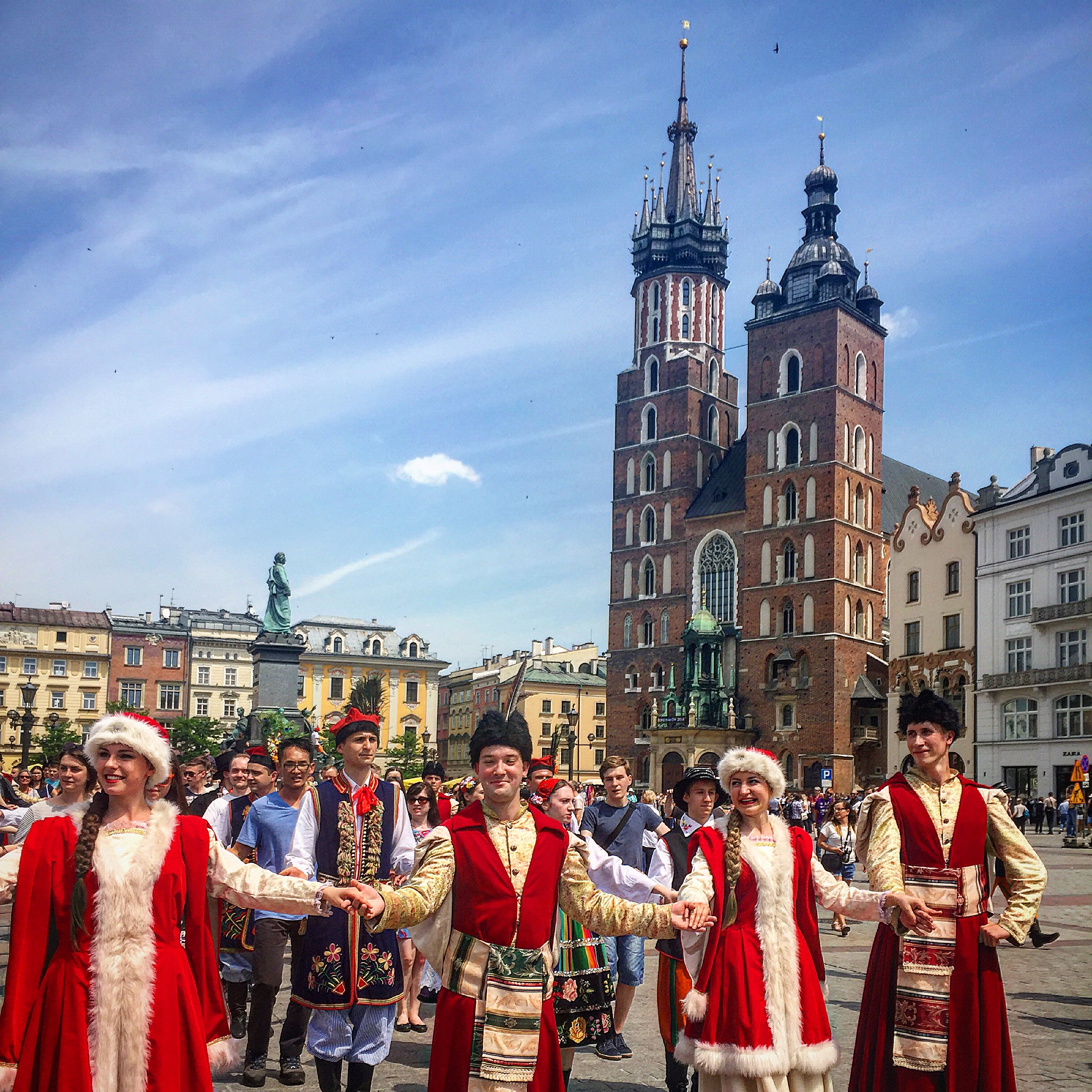
At its core lies the Main Market Square (Rynek Główny), one of the largest and most beautiful medieval squares in Europe. Flanked by the iconic Cloth Hall (Sukiennice), the towering spires of St. Mary’s Basilica, and countless historic townhouses, the square pulsates with centuries of history. Standing here, you are transported back in time, sharing the very space where kings were crowned, merchants traded, and scholars debated. This isn’t a reconstruction; it’s the living, breathing past. Rynek Główny is the heart of Krakow, Explore the Cloth Hall (Sukiennice) for souvenirs, ascend the Town Hall Tower for panoramic views, and witness the hourly bugle call (Hejnal Mariacki) from St. Mary’s Basilica (Kościól Mariacki). Krakow’s spiritual depth is palpable. The medieval churches, like St. Mary’s Basilica with its famous hourly bugle call and magnificent altarpiece by Veit Stoss, are not just architectural wonders but active centers of faith.

The historic Jewish Quarter of Kazimierz, though scarred by the Holocaust, has experienced a remarkable renaissance. Its synagogues and cobbled streets tell stories of a vibrant Jewish culture that flourished for centuries before its tragic disruption. Exploring Kazimierz is a poignant journey, a confrontation with memory, and a testament to the power of cultural reclamation. It embodies a philosophy of confronting difficult truths while celebrating a rich, complex heritage.

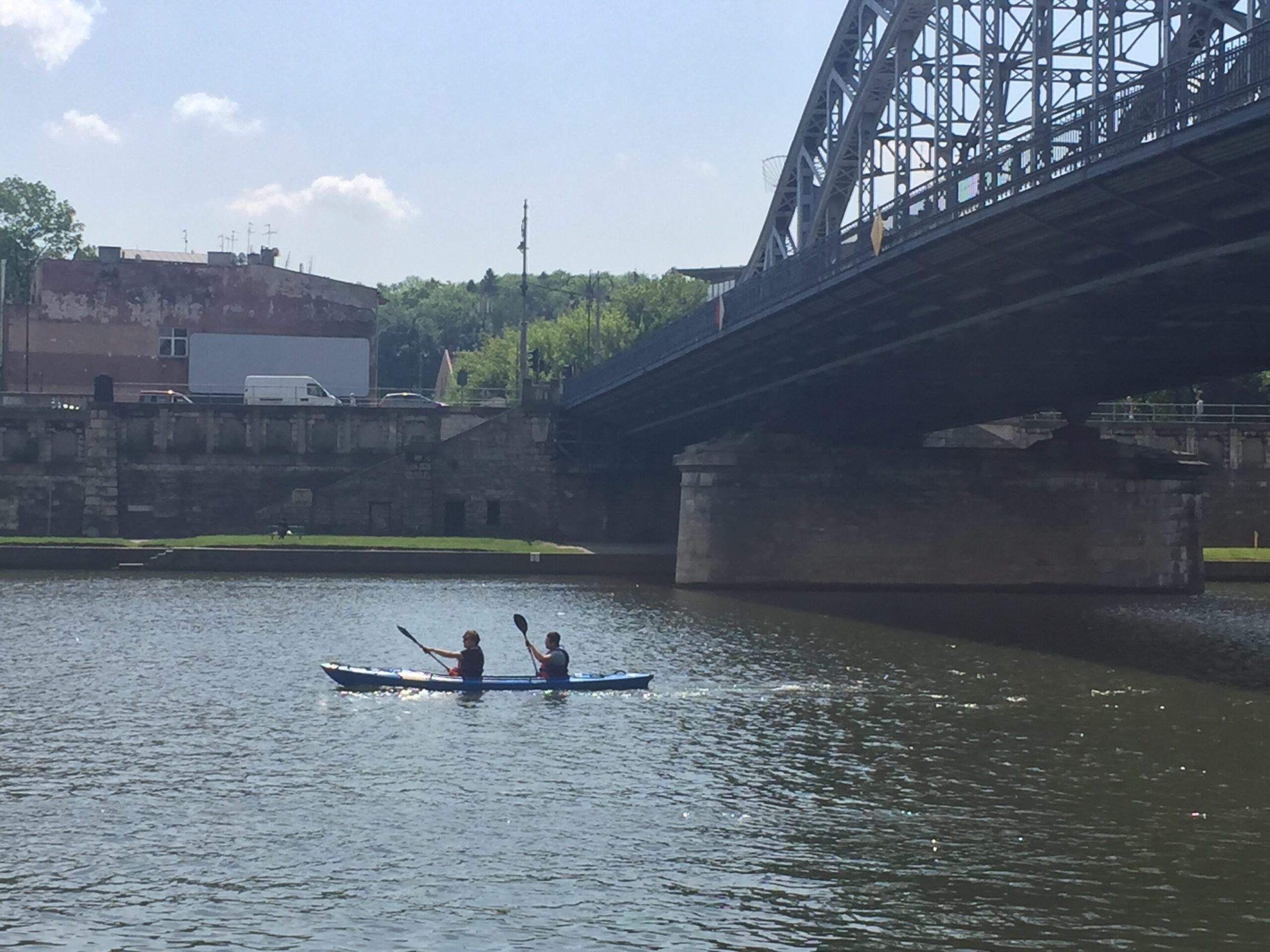
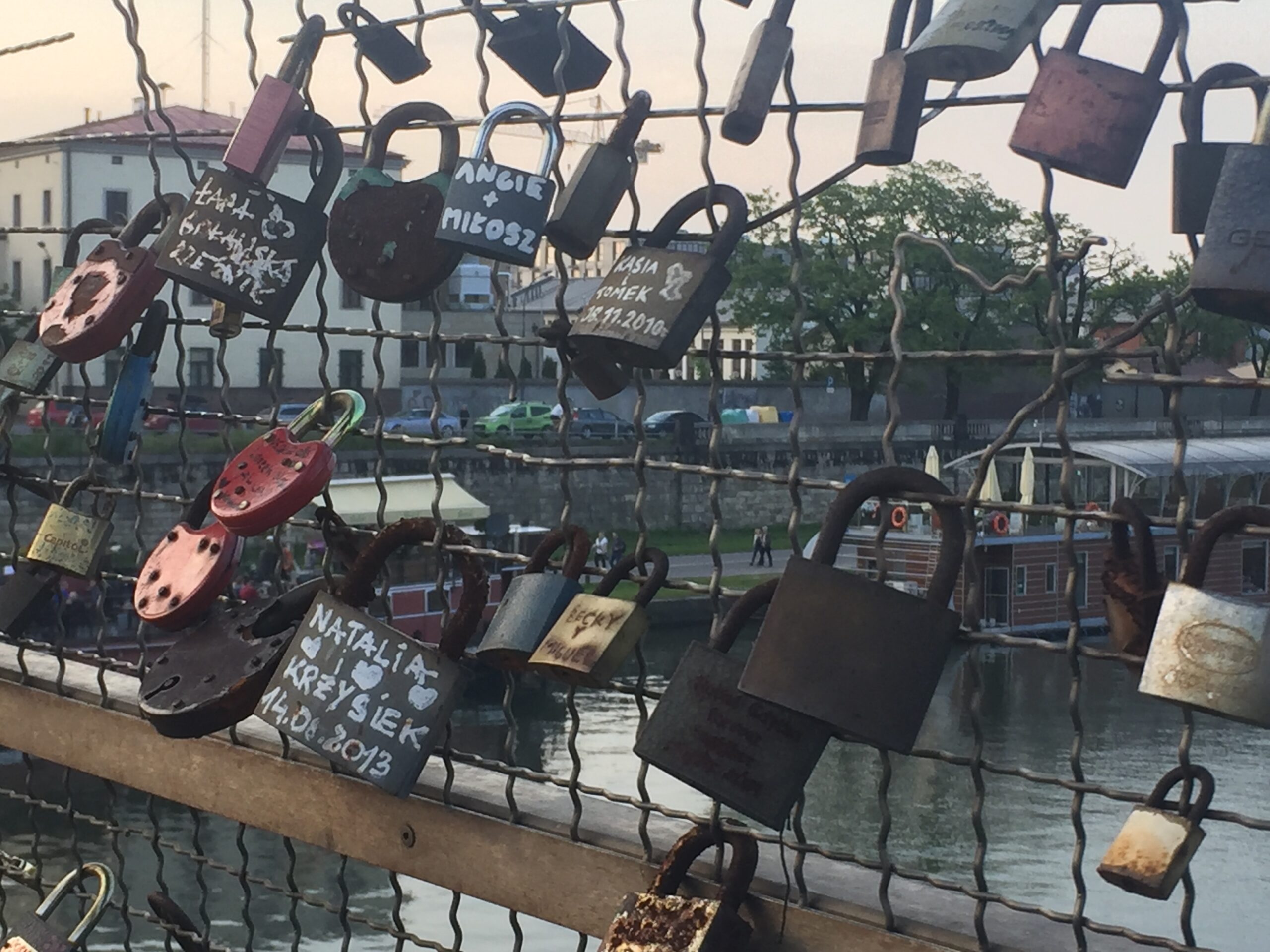
Crossing the Vistula River in Krakow, Father Bernatek’s Bridge (Kładka Ojca Bernatka) is much more than a mere crossing; it’s a beautifully designed pedestrian and cycling bridge that gracefully connects the historic Jewish Quarter of Kazimierz with the vibrant Podgórze district. Opened in 2010, this modern marvel has quickly become an iconic landmark, celebrated for its elegant, minimalist arc and its dual function as both a practical thoroughfare and an open-air art gallery. Adorned with captivating acrobat sculptures by Jerzy Kędziora that appear to defy gravity, the bridge invites visitors to pause, admire the Vistula’s serene flow, and soak in panoramic views of Wawel Castle and Kazimierz’s charming rooftops. As the sun sets, its subtle illumination transforms it into a romantic pathway, perfect for an evening stroll, often adorned with “love locks” that add to its endearing charm.

Philosophically, Krakow invites a contemplation on the nature of enduring beauty, tradition, and the weight of history that shapes a people. The Wawel Royal Castle and Cathedral, perched majestically on Wawel Hill overlooking the Vistula, embodies this perfectly. It was the seat of Polish kings for centuries, a national sanctuary, and a place where art, power, and faith converged. Within the Cathedral, the tombs of kings and national heroes, alongside the legendary Wawel Dragon, evoke a profound sense of national identity and historical continuity.

While Krakow’s past is preserved, it is far from stagnant. As home to the Jagiellonian University (one of the oldest in Europe, a beacon of intellectual tradition), the city vibrates with youthful energy, fostering a dynamic contemporary art, music, and culinary scene. It beautifully balances its solemn heritage with a vibrant present.

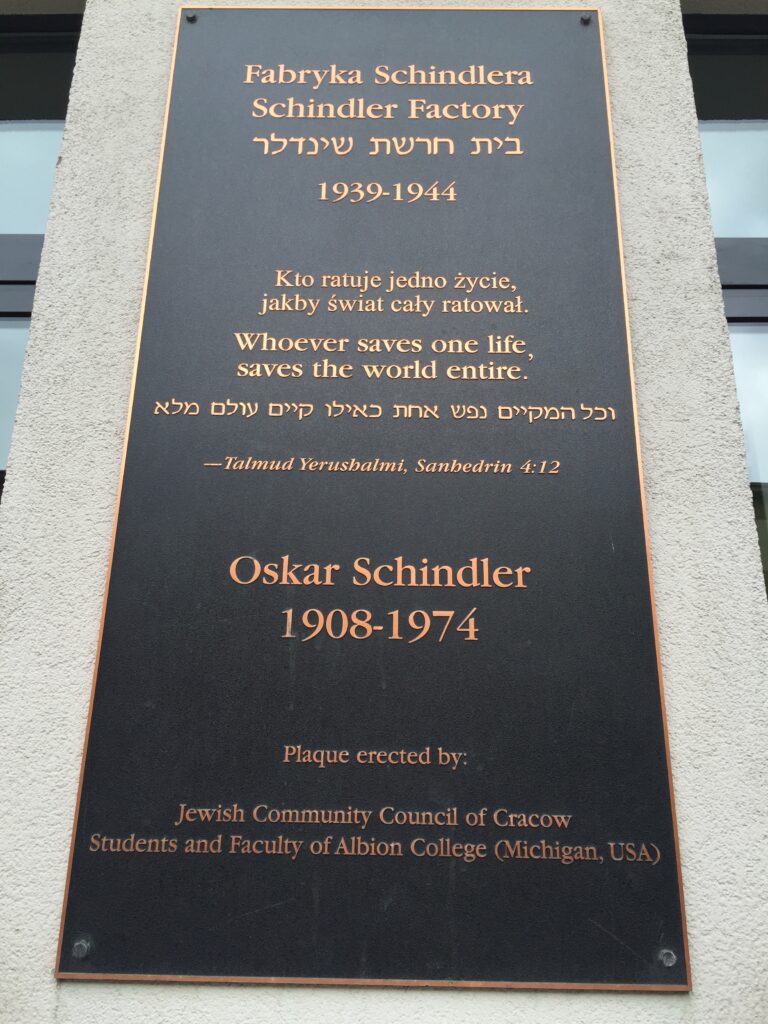
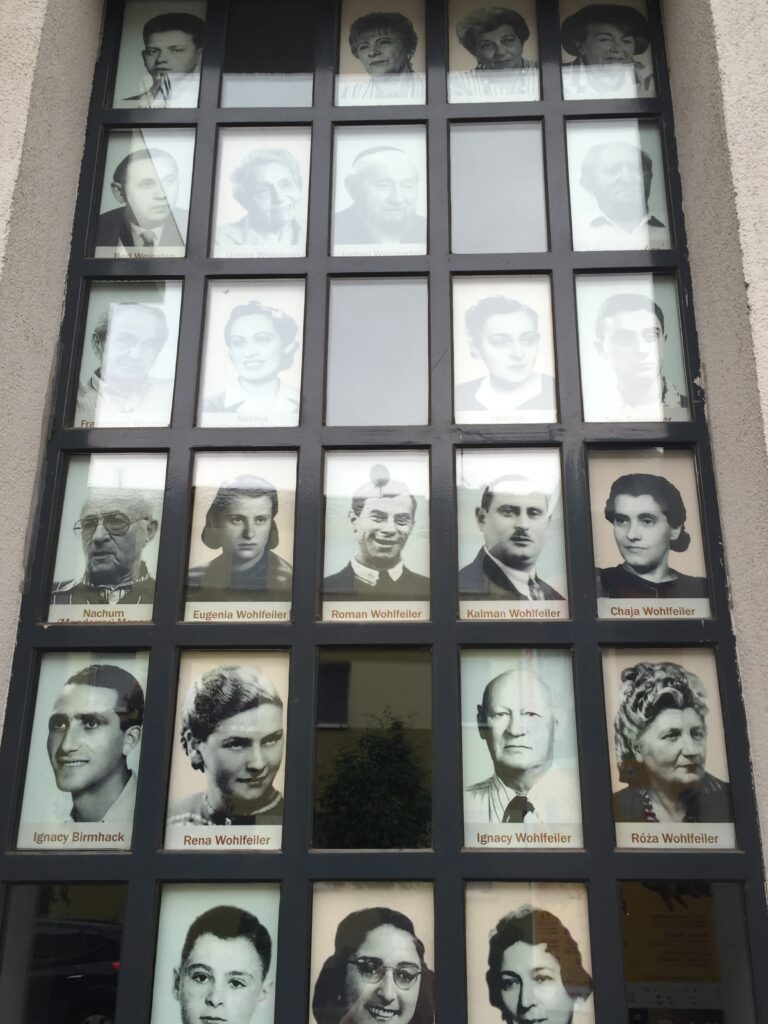
Visit the Oskar Schindler’s Enamel Factory Museum: a profoundly moving museum that goes beyond the “Schindler’s List” narrative to tell the story of Krakow under Nazi occupation and the remarkable individuals who resisted. It’s a powerful lesson in human courage and moral choice.

Confront History at Auschwitz-Birkenau (Day Trip) – while emotionally challenging, a visit to the former Nazi concentration and extermination camp is a crucial and essential pilgrimage for understanding the depths of human cruelty and the imperative of remembrance. It’s a solemn, philosophical confrontation with humanity’s darkest chapter, urging a commitment to compassion and justice. Allow a full day, and book well in advance.

Krakow is a cultural capital. Explore its numerous art galleries, attend a classical music concert (perhaps Chopin or Klezmer music in Kazimierz), or catch a performance at one of its many theaters.

Poland’s culinary scene is dynamic and diverse, reflecting its modern, cosmopolitan character. Explore innovative restaurants and traditional milk bars (bar mleczny) for a taste of authentic Polish flavors, a journey into its contemporary cultural identity.

Savor traditional Polish dishes like pierogi (dumplings), żurek (sour rye soup), bigos (hunter’s stew), and oscypek (smoked sheep cheese) from the Tatra mountains. Eating local food is a delicious way to connect with the culture.

Suzy Areti