From the vibrant city of Santiago, travelers can embark on a bucket-list journey to the world’s most remote inhabited destination: Easter Island (Rapa Nui). This volcanic paradise, a designated UNESCO World Heritage site, transcends standard geography to offer a profound encounter with one of history’s greatest enigmas. The island is globally revered for its iconic Moai statues, the colossal human figures carved by the ancient Rapa Nui civilization. These silent guardians, which stand on massive stone platforms called ahu, weigh an average of 14 tons and reach heights of 4 meters, representing a monumental feat of ancient engineering and spiritual devotion. Visitors often find themselves in deep contemplation, wondering how these 28,000-pound monoliths were carved from solid volcanic ash and transported across the rugged terrain without modern machinery. This incredible achievement came at a high price; the intensive use of timber for statue transportation led to widespread deforestation, a move that significantly impacted the island’s agriculture and changed the course of its history. Today, a visit to Easter Island is not just a vacation, but a chance to witness the enduring legacy of a culture that achieved the extraordinary in total isolation.

Discovered by a Dutch explorer in 1722 and named Easter Island in homage to the date of its discovery, this is the most isolated inhabited island on Earth. The Polynesians who settled here in the first millennium believed the volcanic island was the “navel of the world”.

To set foot on Rapa Nui is to enter a living archaeological testament and a spiritual crucible. The island’s landscapes are breathtakingly raw: rolling grasslands, the silhouettes of dormant volcanoes, and rugged coastlines hide sacred ceremonial platforms (ahu) and the very quarries from which the Moai were painstakingly born. Exploring the island is a deeply contemplative experience, as you stand dwarfed by the Moai’s scale, ponder their creation and purpose, and reflect on the remarkable ingenuity and eventual challenges faced by the Rapa Nui people. It’s a powerful reminder of humanity’s boundless capacity for creation, the delicate balance of isolated ecosystems, and the timeless search for meaning, all uniquely etched into this remote Pacific outpost. Key experiences on Easter Island are as follows:

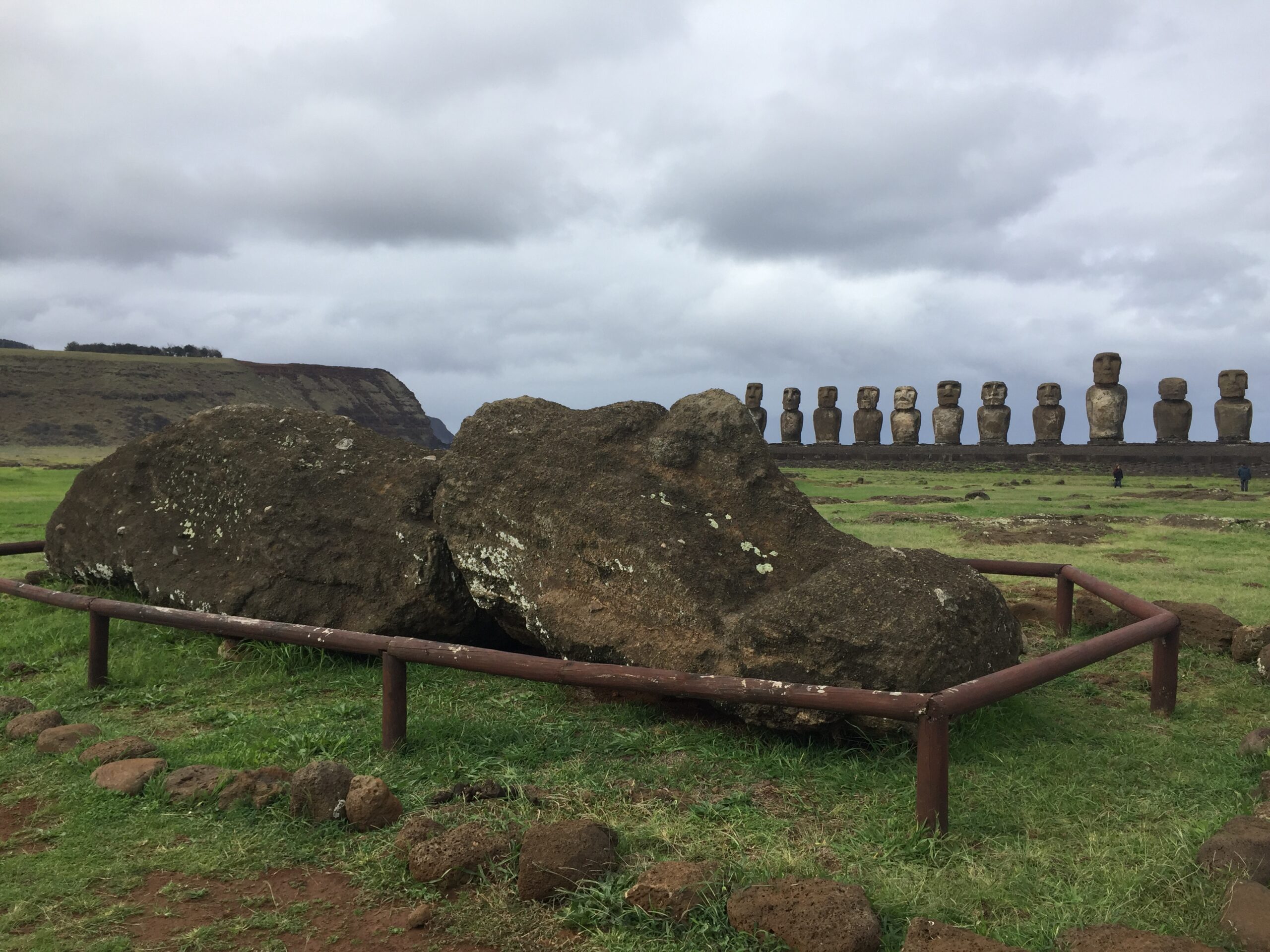
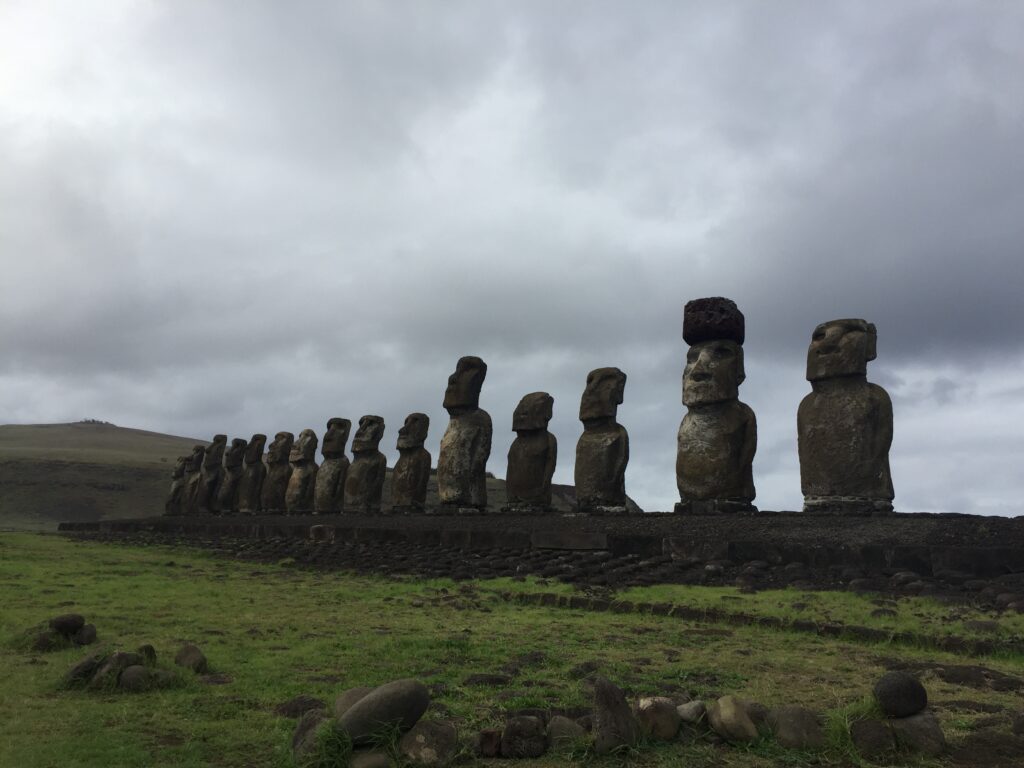
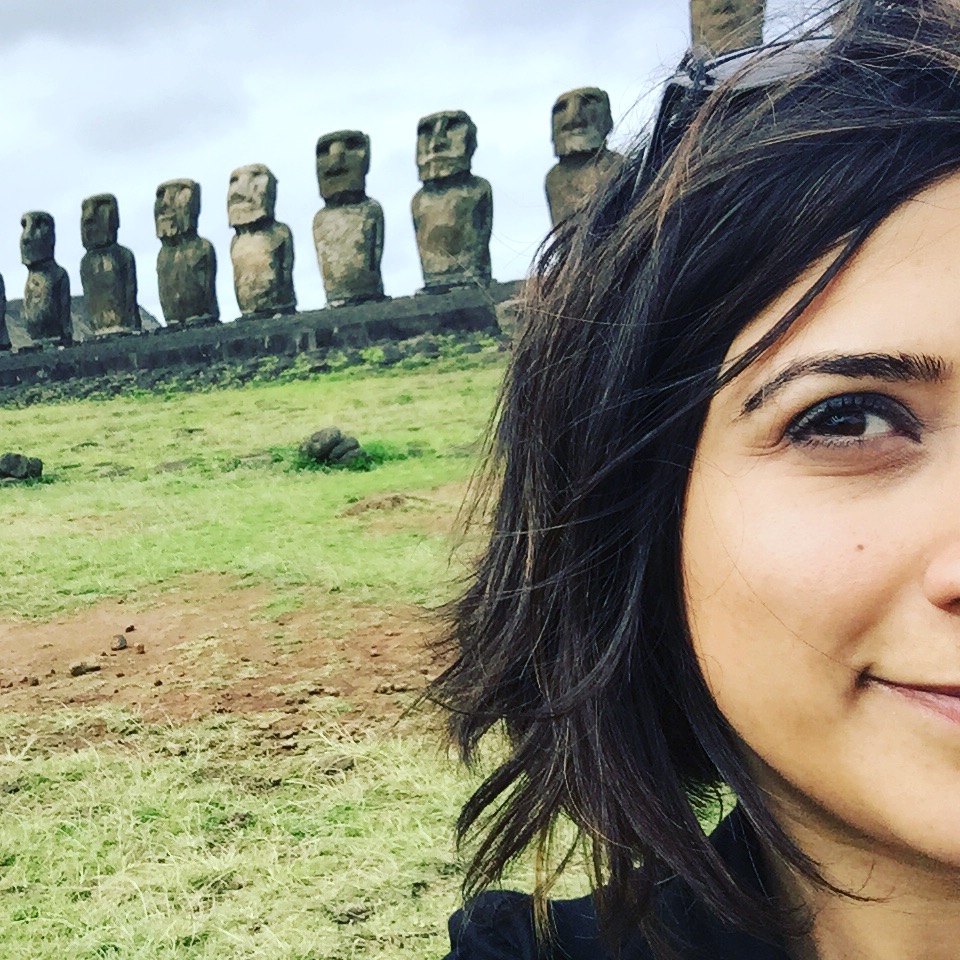
Stand in Awe at Ahu Tongariki: Witness the island’s largest and most iconic ahu (stone platform), Ahu Tongariki which is Easter Island’s most impressive archaeological site, featuring 15 towering moai statues on a 220-meter-long ceremonial platform. This monumental ahu, once the center of the Hotu-iti tribe, was devastated by a 1960 tsunami but meticulously restored between 1992 and 1996 with Japanese assistance. It’s a popular spot for witnessing the sunrise behind the moai, which were believed to embody ancestral power and protect the community. As part of Rapa Nui National Park, it’s a testament to the Rapa Nui people’s incredible engineering skills and enduring cultural heritage.


Ahu Tongariki – Easter Island

Ahu Tongariki – Easter Island

Ahu Tongariki – Easter Island

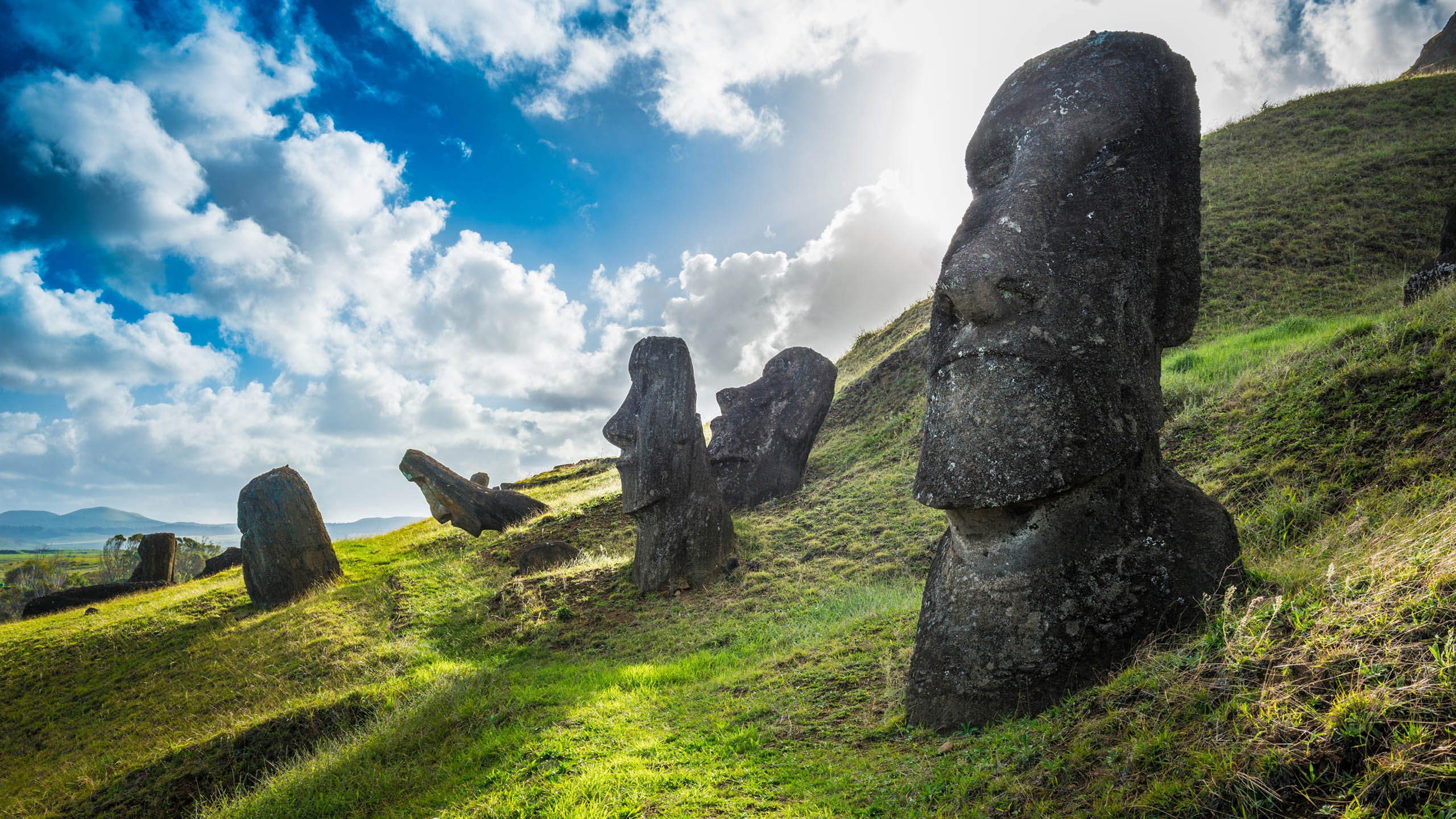
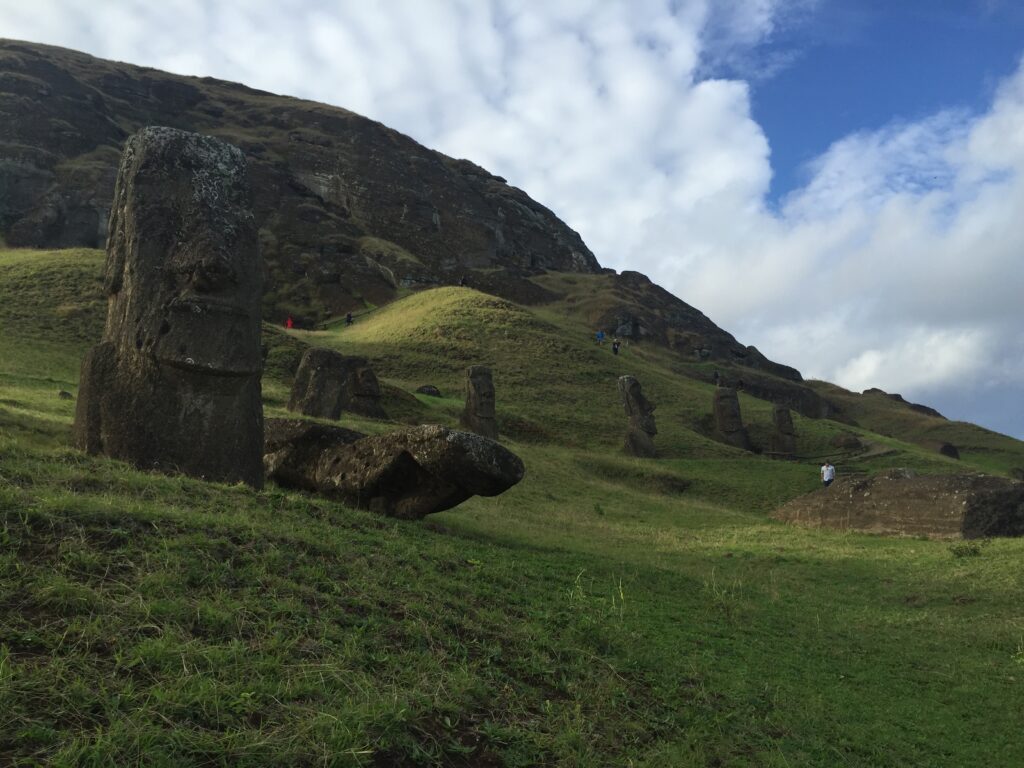
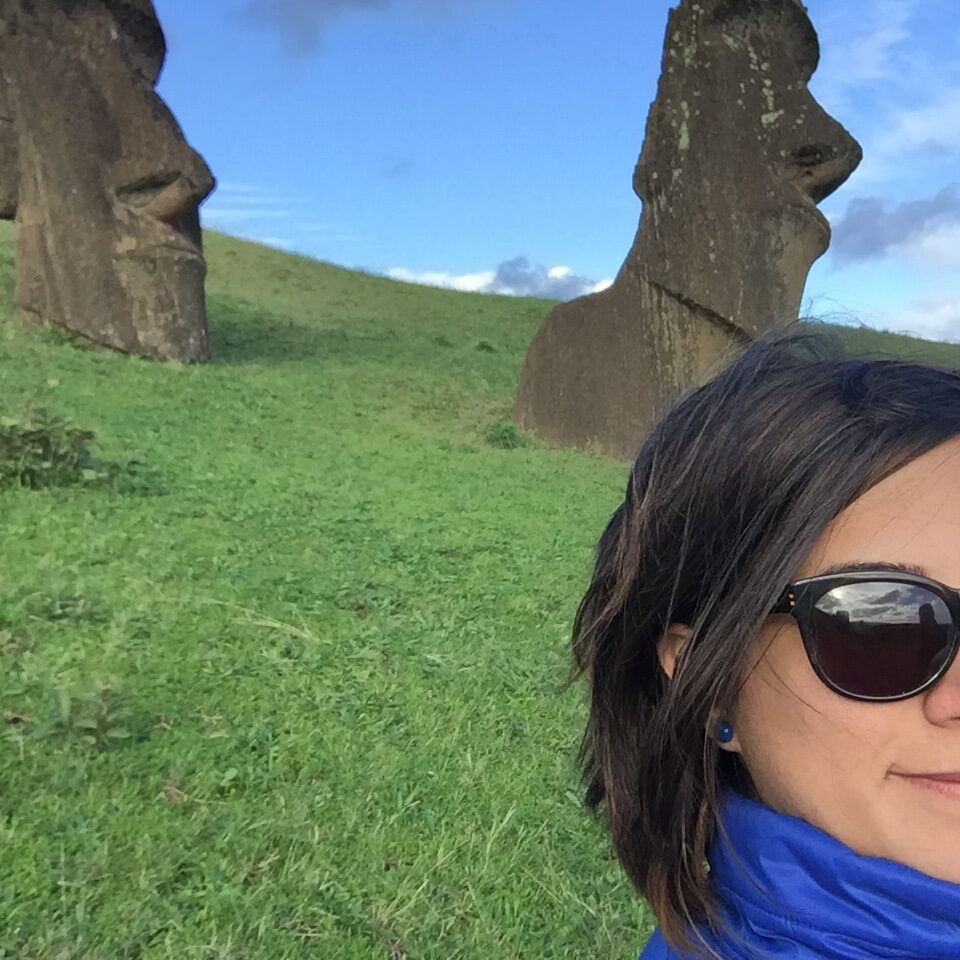
Journey to Rano Raraku (The Moai Quarry): Rano Raraku, often called the “moai factory,” is a captivating volcanic crater on Easter Island, serving as the quarry where 95% of the island’s iconic moai statues were carved from volcanic tuff. What’s truly astonishing is that nearly 400 moai remain scattered across its slopes in various stages of completion, offering a surreal “snapshot in time” of the carving process and the sudden halt of production, a testament to the Rapa Nui people’s incredible artistry and engineering. Among them is “The Giant,” an unfinished moai measuring over 21 meters, and the unique kneeling moai known as Tukuturi. Beyond its role as a quarry, recent studies suggest the Rano Raraku area was also a surprisingly fertile agricultural zone, indicating a deeper, sacred connection between the moai, the land, and the island’s productivity.

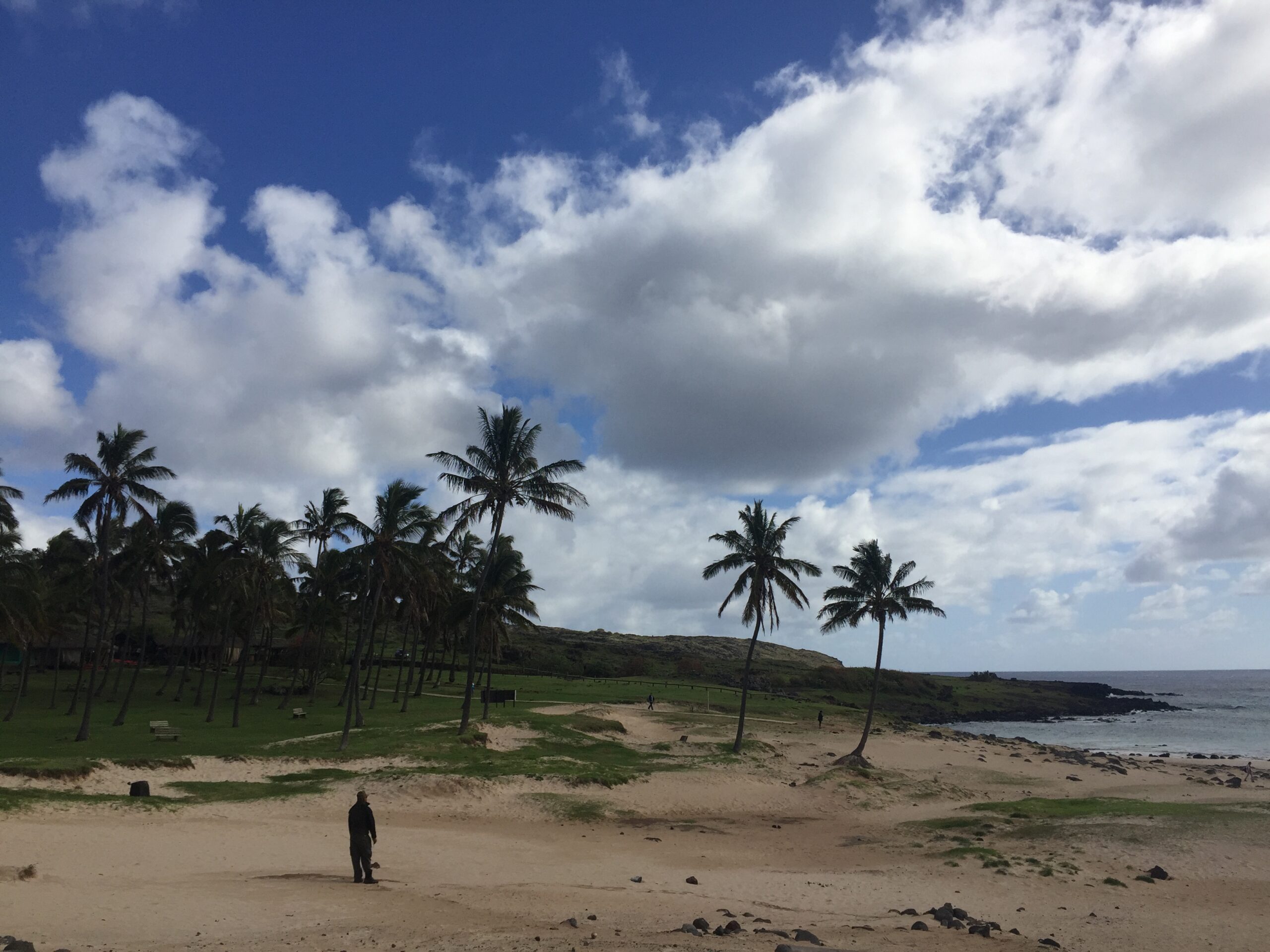
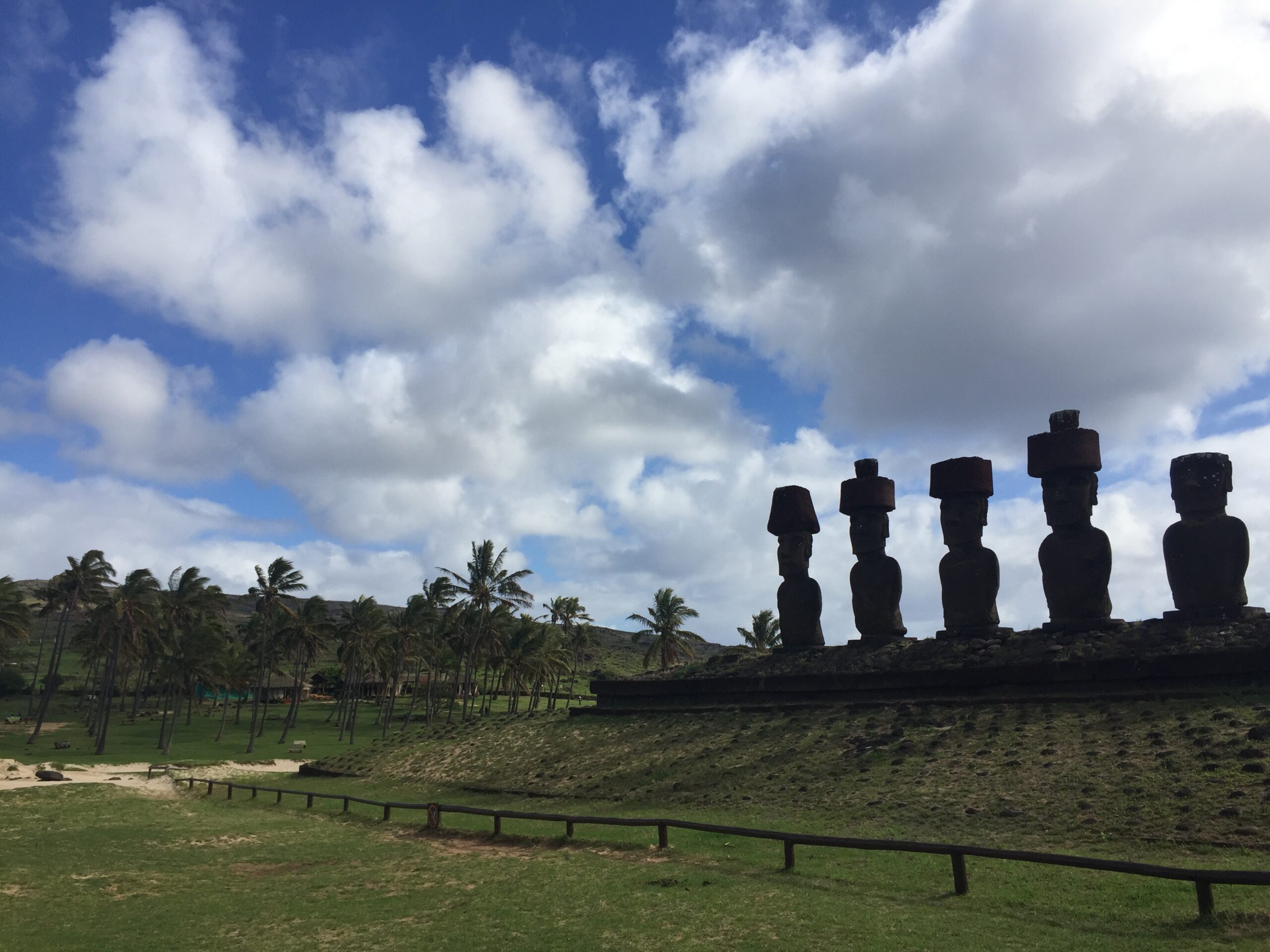
Relax at Anakena Beach: Enjoy the island’s rare white sand beach, an idyllic spot fringed with palm trees and an ahu boasting several Moai.

Easter Island’s coastline is predominantly rugged and volcanic. Anakena is unique as one of only two small, natural white coral sand beaches on the island (the other being Ovahe Beach). Its calm, warm, turquoise waters and a grove of imported coconut palms (planted in the 20th century, as native palms were largely depleted) create a distinctly Polynesian, idyllic paradise.

According to Rapa Nui oral tradition, Anakena is the legendary landing place of Hotu Matu’a, the Polynesian chief who led the first settlers to the island and founded the Rapa Nui civilization. This makes it the “cradle of Rapa Nui history and culture.”

Archaeological evidence supports early human settlement at Anakena, dating back as far as 1200 CE. It was likely the site of the island’s first populated center.

Anakena Beach – Easter Island

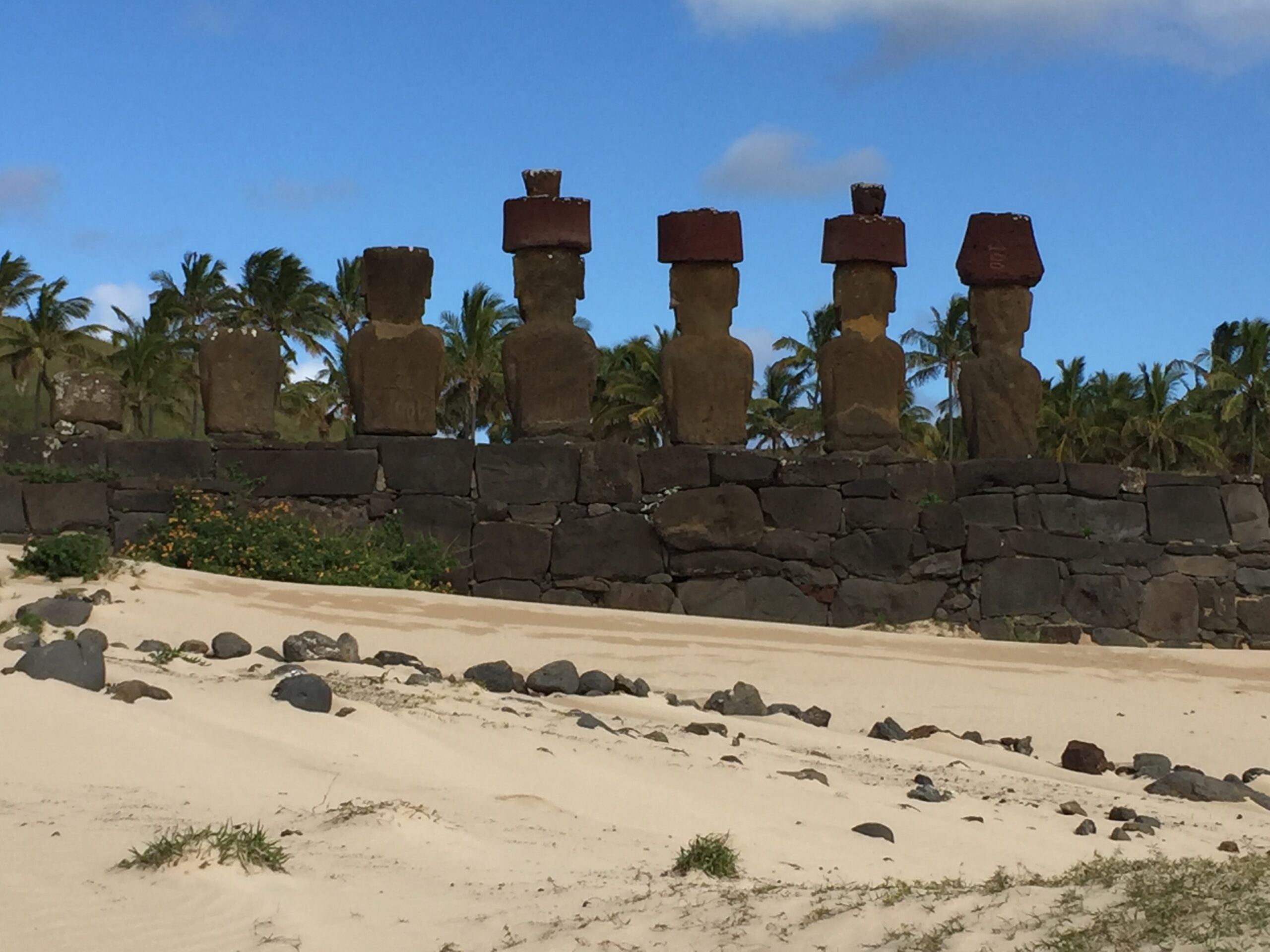
Ahu Nau Nau on Anakena Beach is the platform which features seven moai, some of which still retain their red scoria pukao (topknots) and intricate carvings on their backs. The moai here are exceptionally well-preserved because they were buried in the sand for centuries after being toppled. During restoration, a rare female moai and the first original coral eye were discovered here.

Anakena Beach – Ahu Nau Nau

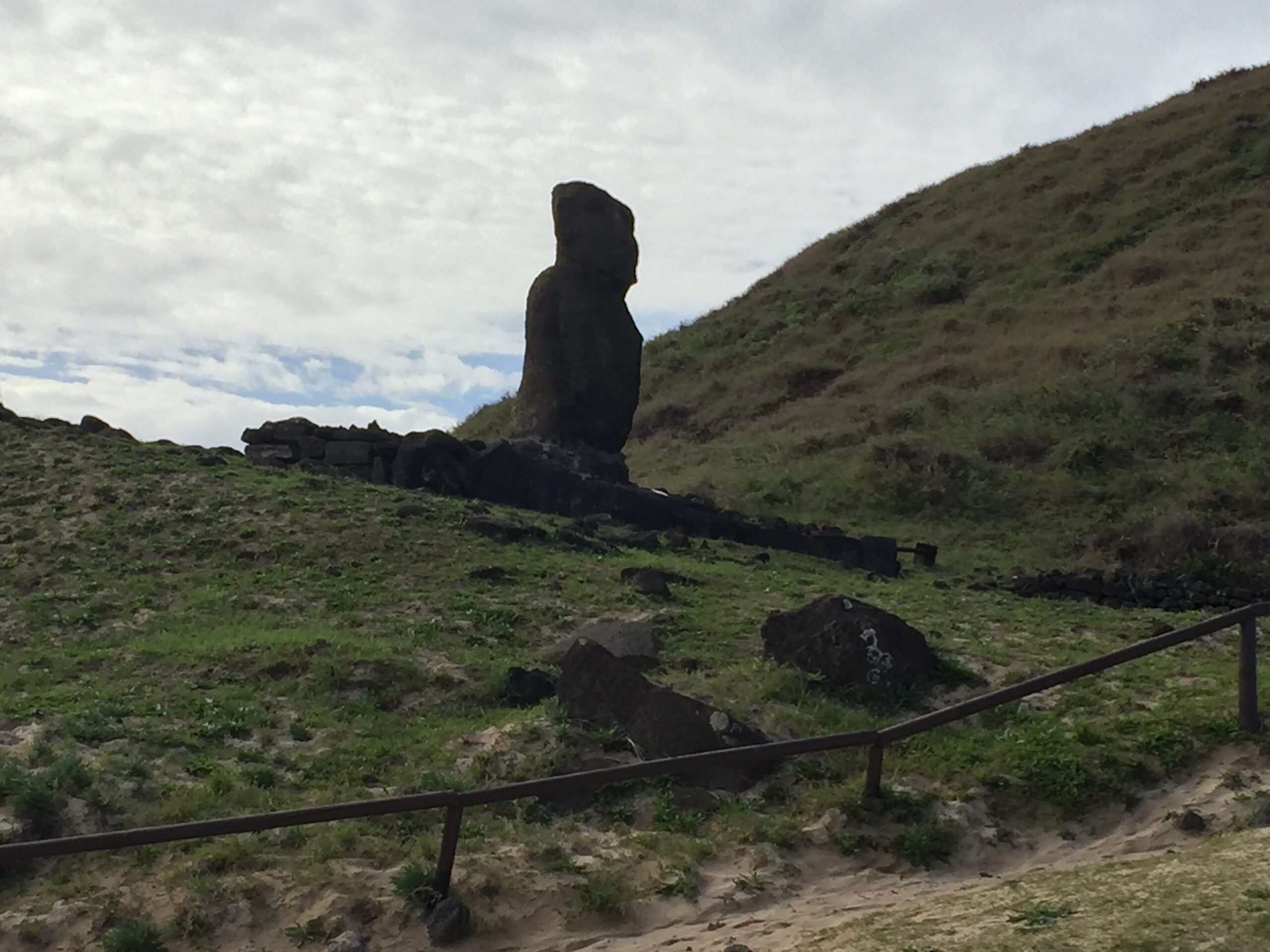
Ahu Ature Huki has a single moai and holds historical significance as the first moai to be re-erected in modern times (by Thor Heyerdahl’s expedition in 1956, using traditional methods).

Anakena Beach – Ahu Ature Huki

Discover Orongo Ceremonial Village: Hike to this fascinating ancient stone village perched on the rim of the Rano Kau volcano, where the enigmatic Birdman cult performed their annual rituals.

Hike Rano Kau Volcano: Trek to the immense crater of this dormant volcano, marveling at its unique microclimate and the lush, circular lake within.

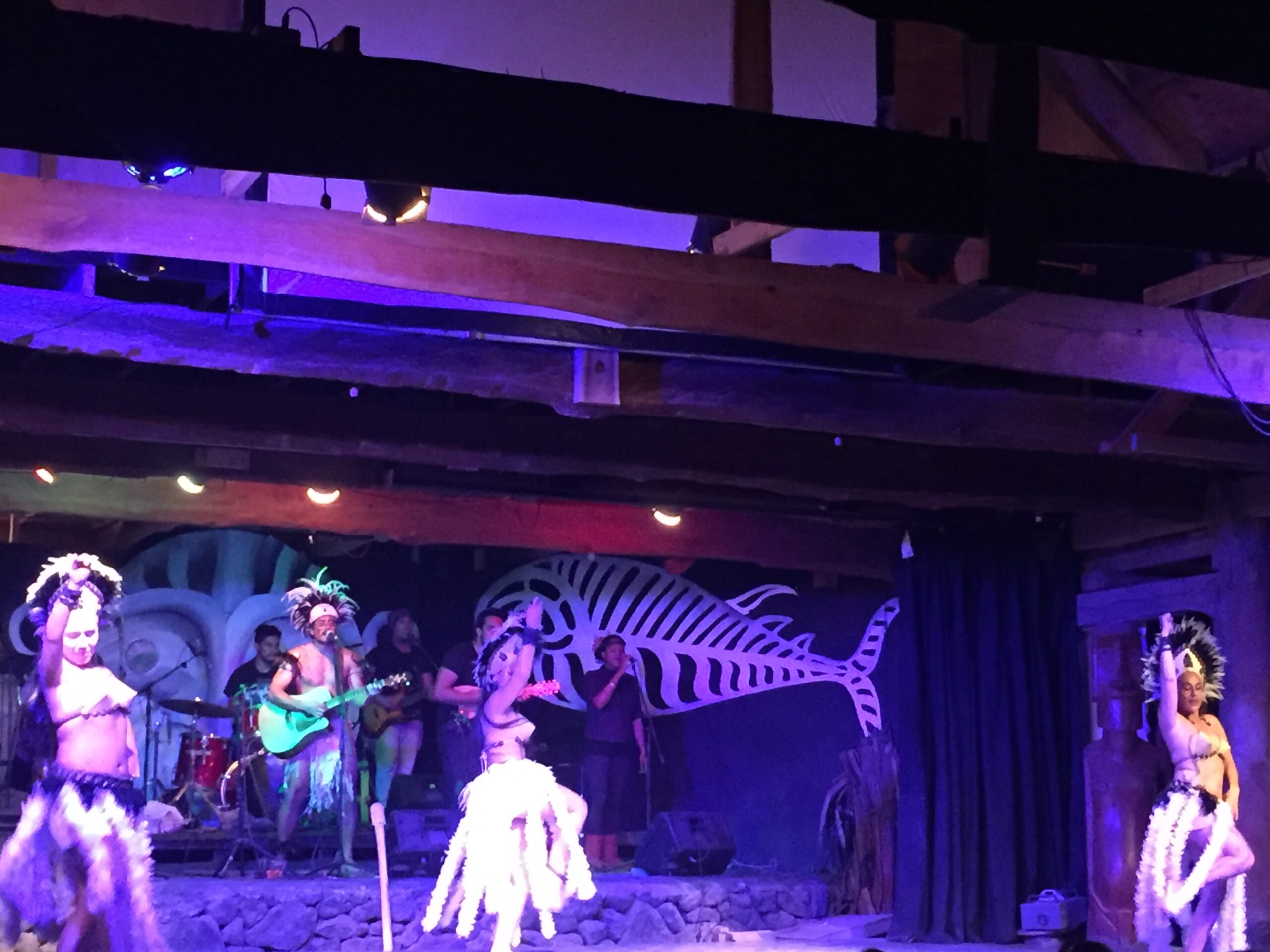
Immerse in Rapa Nui Culture: To delve deeper into the vibrant cultural experience of Rapa Nui, seeking out authentic local performances of traditional dance and music is truly a highlight. Groups like the renowned Kari Kari Cultural Ballet, the oldest artistic group on the island, are dedicated to preserving and transmitting ancestral Rapa Nui dance and melodies, offering energetic shows with live music that feature expressions such as the powerful Hoko (war dance), the narrative Kai-Kai (a string game), the sensual Sau-Sau (dance of love), and ancient Riu Uté songs. Other notable groups like Te Ra’ai offer a full immersive experience, often including traditional dinner (umu) and face painting alongside their performances. These shows are not merely for tourists; they serve as a vital means for islanders to maintain and pass on their unique Polynesian heritage to younger generations. Engaging with the islanders directly, whether by attending cultural workshops, participating in audience interaction during performances, or simply conversing with locals, provides invaluable insights into their mythology, such as the legend of Hotu Matu’a (the first settler) and the Tangata Manu (Birdman cult), their reverence for the iconic moai statues (which represent ancestral faces), and their resilient history as the easternmost Polynesian culture, shaped by isolation and adaptation in the vast Pacific.

Savoring the Flavors and Comforts of Rapa Nui

A journey to this remote outpost is as much a culinary adventure as it is a historical one, with traditional Rapa Nui cuisine centered heavily on the bounty of the Pacific. When deciding what to eat on Easter Island, you cannot miss the Tuna Ceviche, often prepared with a Polynesian twist using coconut milk, or the iconic Tuna Empanadas found at local favorites like Tia Berta. For a truly immersive experience, seek out a traditional Umu Rapa Nui, a communal feast where meat, fish, and local tubers like sweet potato and taro are slow-cooked in an earth oven on red-hot volcanic stones. Many of the best restaurants in Hanga Roa, such as Te Moana and La Kaleta, offer these fresh flavors alongside breathtaking sunset views over the harbor.

When considering where to stay on Easter Island, most travelers center their visit in Hanga Roa, the island’s charming only town. For those seeking sustainable luxury, Nayara Hangaroa and Explora Rapa Nui offer high-end, eco-friendly retreats that blend seamlessly into the volcanic landscape. If you prefer a more intimate experience, boutique options like Hare Nua Hotel Boutique provide a cozy, authentic atmosphere right in the heart of the village. Whether you choose a high-end resort or a family-run guesthouse, staying near the main street of Atamu Tekena ensures you are within walking distance of local artisan markets and the stunning Ahu Tahai sunset complex.

This extraordinary dual journey, from Santiago’s vibrant urban life to Easter Island’s ancient enigmas, offers an unparalleled immersion into Chile’s multifaceted soul. It is a nation that invites you to witness its modern dynamism, trace the profound footsteps of ancient civilizations, and ponder the the enduring questions of humanity’s past and future.

Suzy Areti