Portugal’s soul, much like the gentle melancholia of Fado music, is a profound tapestry woven from seafaring dreams, resilient history, and an enduring connection to its past. To truly understand this vibrant nation one must embark on a dual journey through its two most emblematic cities: Lisbon and Porto, with a mystical detour to Sintra. While Lisbon radiates with the grandeur of an ancient maritime empire reborn, Porto embraces a grittier, authentic charm forged by its river and its wine.
LISBON: THE CITY OF LIGHTS AND OCEANIC DREAMS
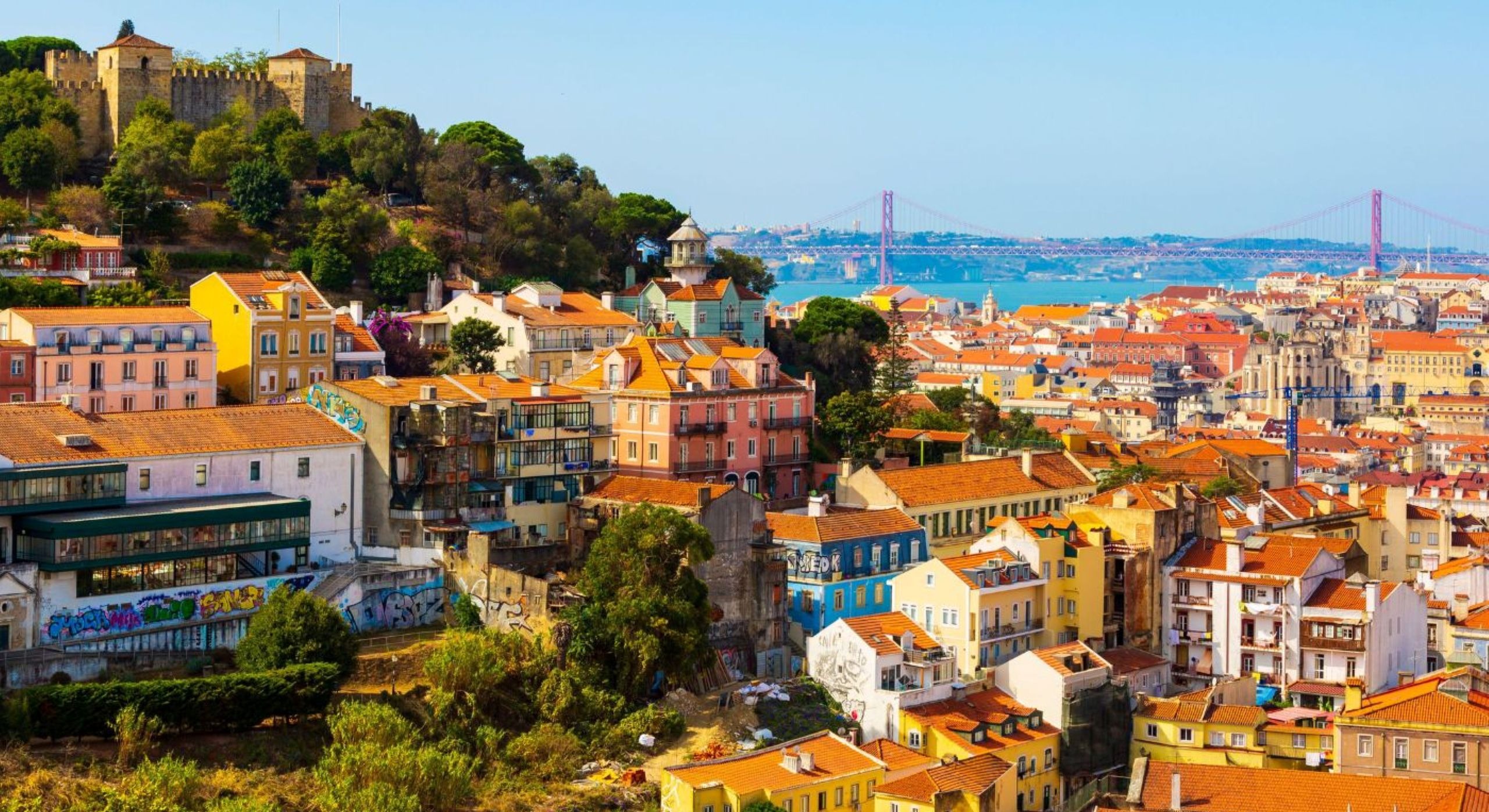
Our journey begins in Lisbon, Portugal’s sun-drenched capital, a city whose story is inextricably linked to the boundless horizon. Perched on seven hills overlooking the wide estuary of the Tagus River, Lisbon breathes an air of historical grandeur and contemporary vibrancy. It was from these shores that intrepid navigators set sail during the Age of Discoveries, charting new worlds and forever altering global maps. Yet, Lisbon’s spirit is also one of profound resilience; devastated by a catastrophic earthquake in 1755, the city rose heroically from its ruins, meticulously rebuilt to become the elegant, light-filled capital we see today.
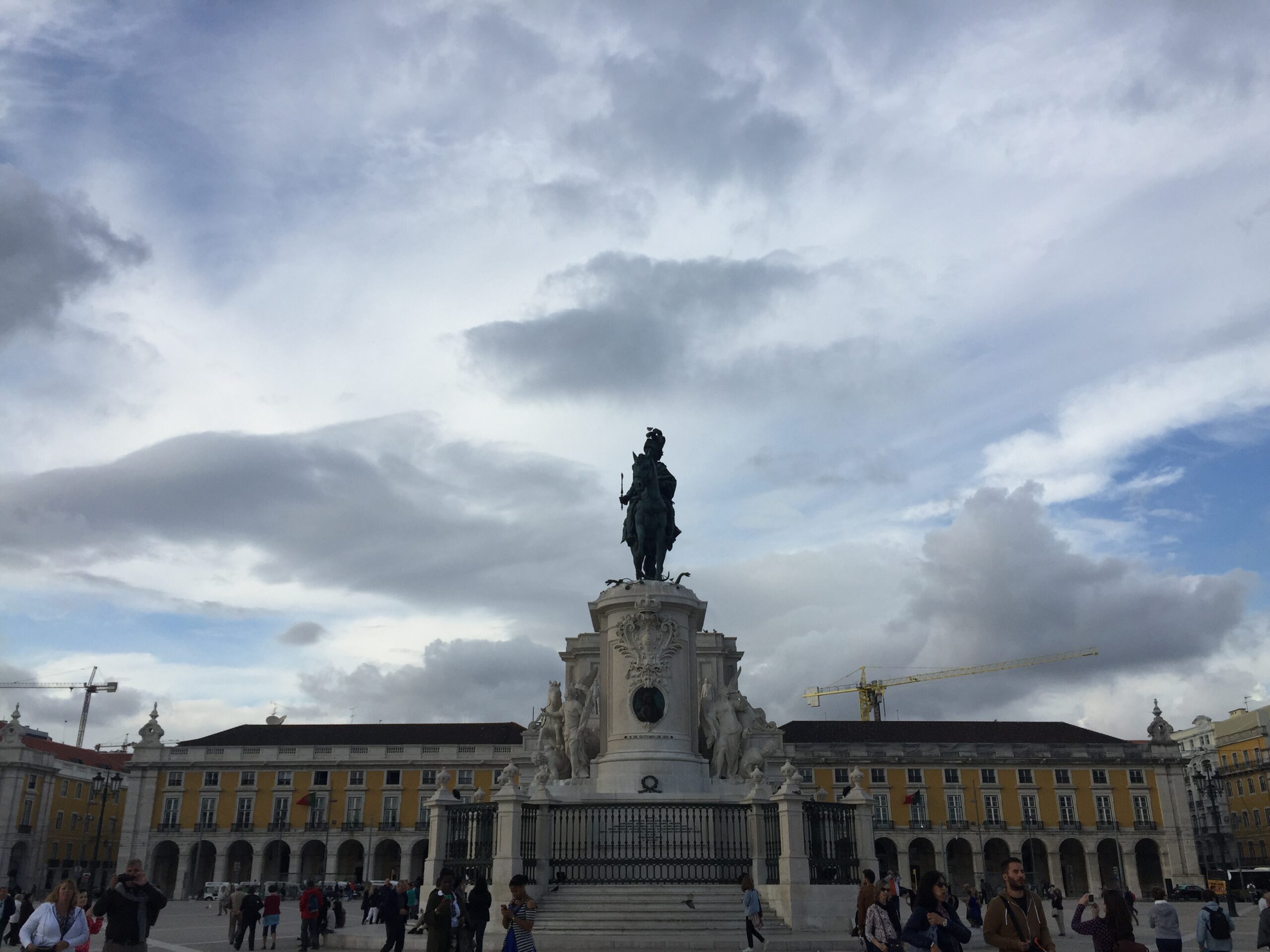
the Praça do Comércio
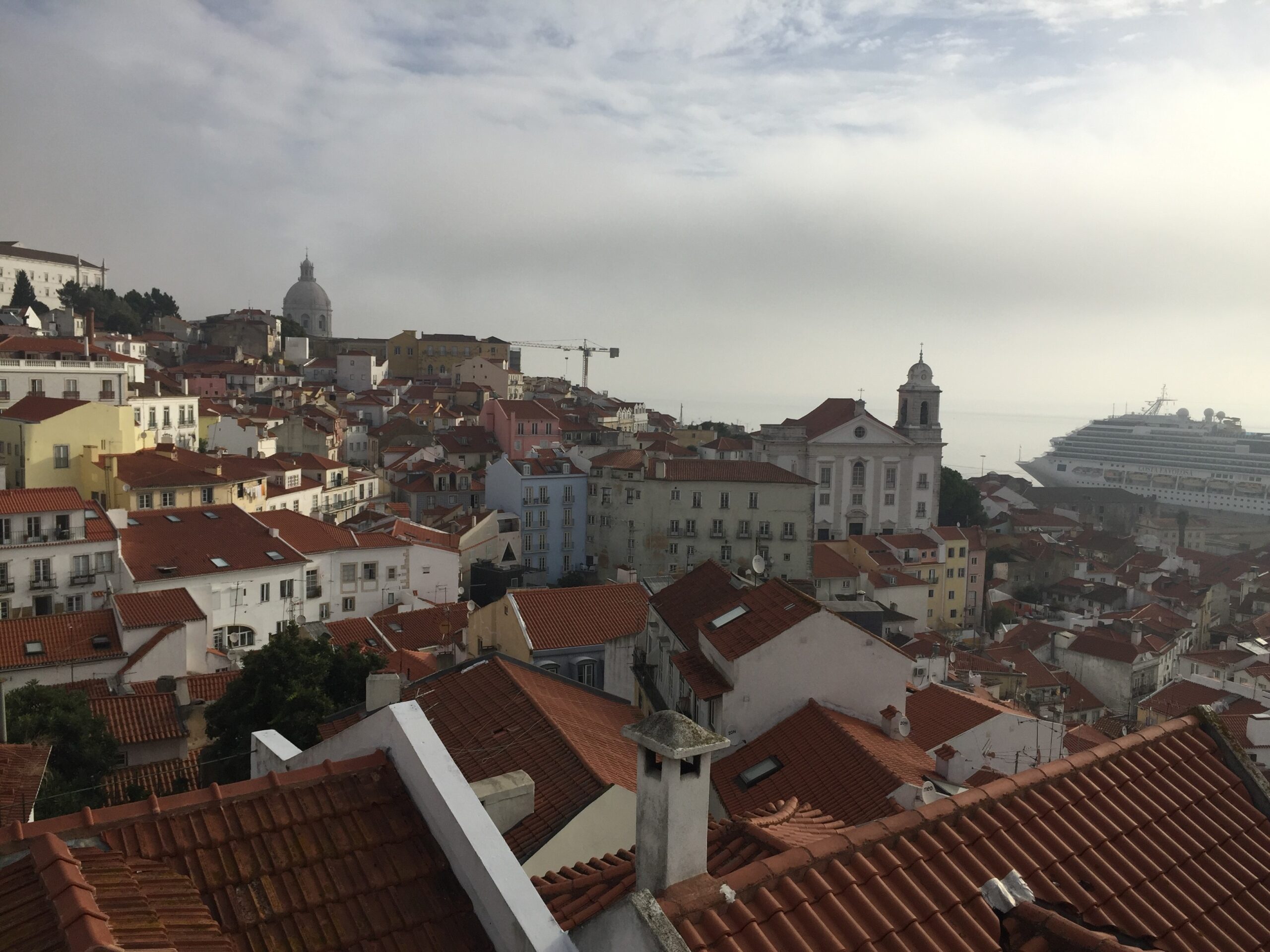
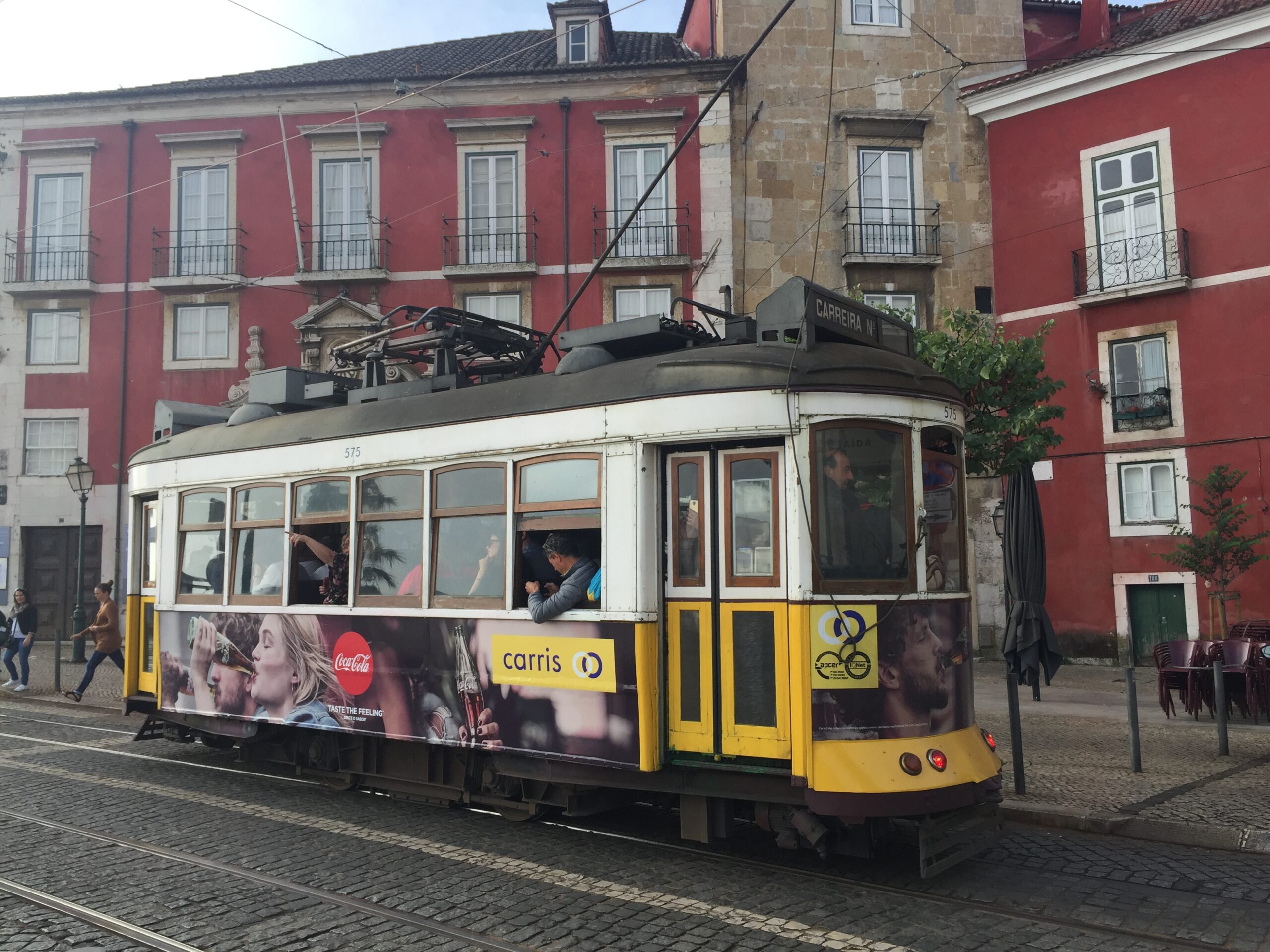
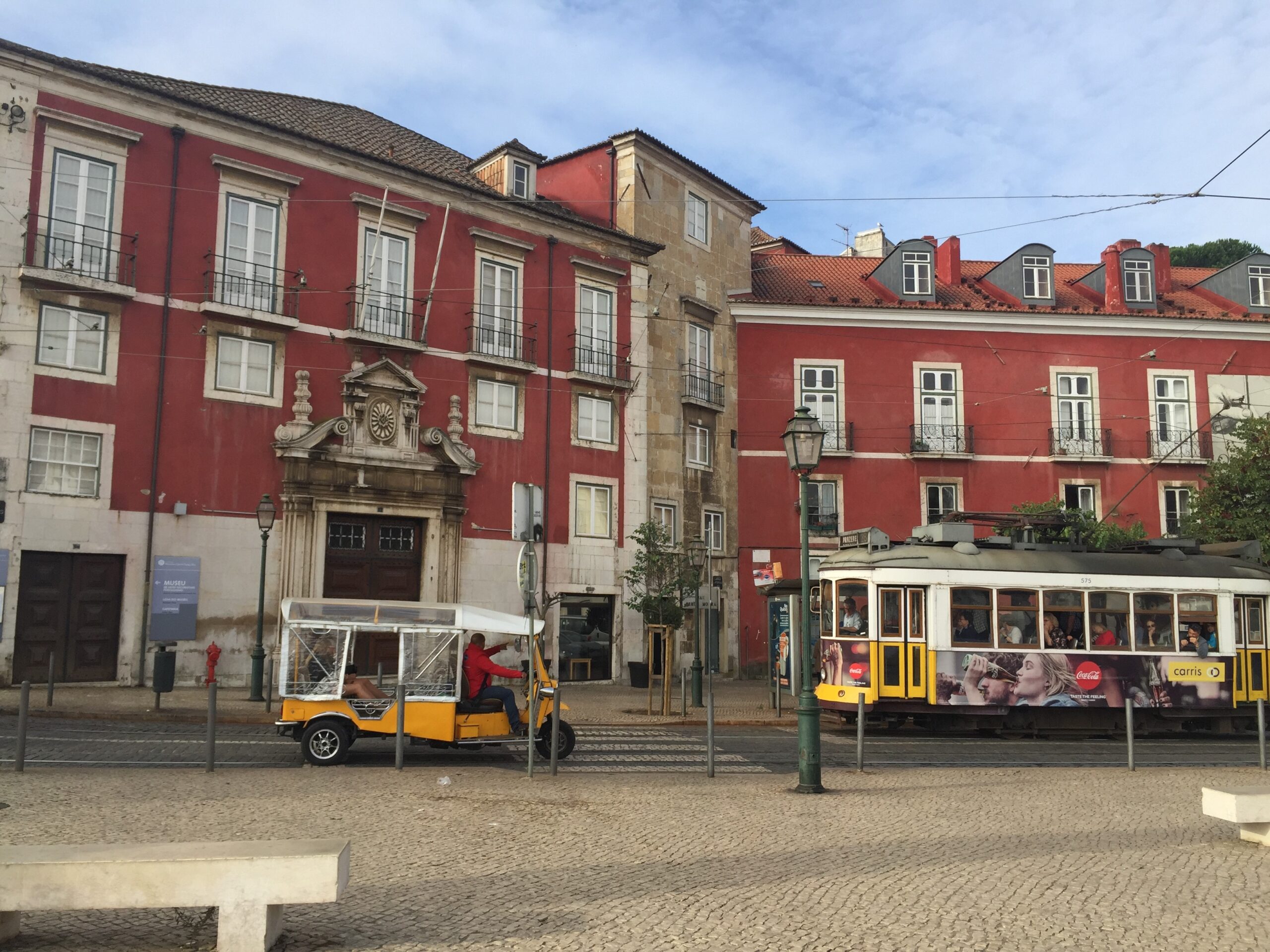
Walking Lisbon’s labyrinthine alleys in Alfama, the oldest district, you can almost hear the whispers of sailors and the melancholic strains of Fado music drifting from open doorways. The city’s iconic yellow trams clatter up steep inclines, past buildings adorned with vibrant azulejo tiles, each reflecting a unique interplay of light and shadow. From panoramic viewpoints (miradouros) like Miradouro da Senhora do Monte, the cityscape unfolds in a breathtaking panorama of terracotta rooftops, gleaming river, and distant bridges. Lisbon doesn’t just invite you to see its history; it compels you to feel the very pulse of its exploratory past and its modern, creative soul. Essentials in Lisbon are as follows:
Alfama
Explore Alfama & Castelo de São Jorge: Wander the narrow, winding streets of Lisbon’s oldest district, absorbing its medieval charm. Climb to the Castelo de São Jorge for incredible views over the city and the Tagus River.
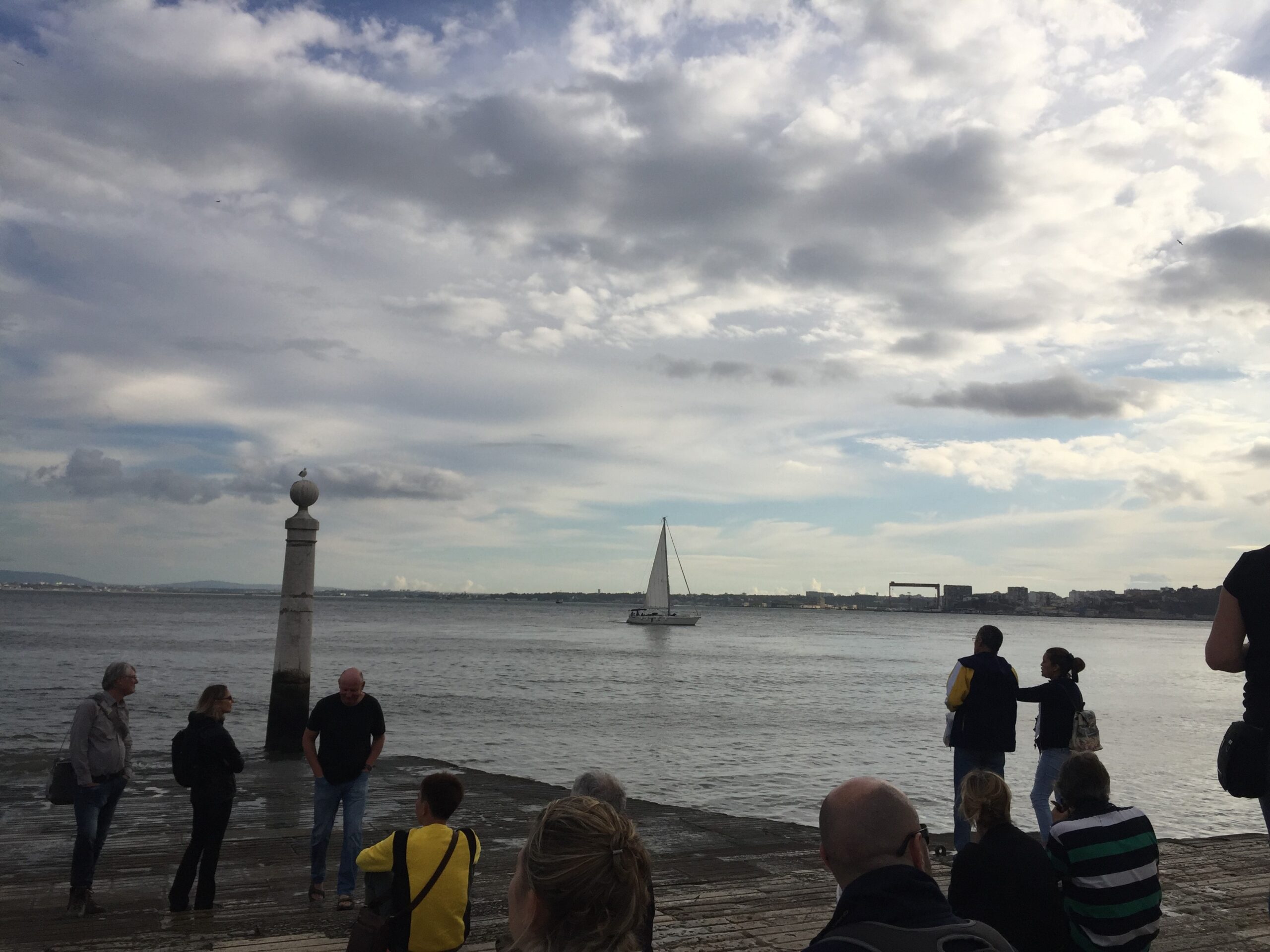
Tagus River
Ride Tram 28: Hop aboard the iconic yellow Tram 28 for a rattling, picturesque journey through historic neighborhoods, providing an essential Lisbon experience.
Immerse Yourself in Fado: Seek out an authentic Fado house in Alfama or Bairro Alto. Let the soulful, melancholic music wash over you, a poignant expression of Portuguese longing and destiny.
Discover Belém’s Maritime Legacy: Visit the majestic Jerónimos Monastery, the iconic Belém Tower, and the Monument to the Discoveries (Padrão dos Descobrimentos), all testaments to Portugal’s Age of Discovery. Don’t forget to savor a warm Pastel de Nata from the original Pastéis de Belém bakery.
Ascend an Elevator/Funicular: Take the ornate Santa Justa Lift or one of the charming funiculars (like Elevador da Bica) for unique perspectives and easier navigation of Lisbon’s hills.
Explore LX Factory: Witness Lisbon’s contemporary creativity at this former industrial complex, now a trendy hub of boutiques, restaurants, cafes, and artistic spaces under the 25 de Abril Bridge.
SINTRA: A FAIRYTALE REALM OF ROMANTIC DREAMS
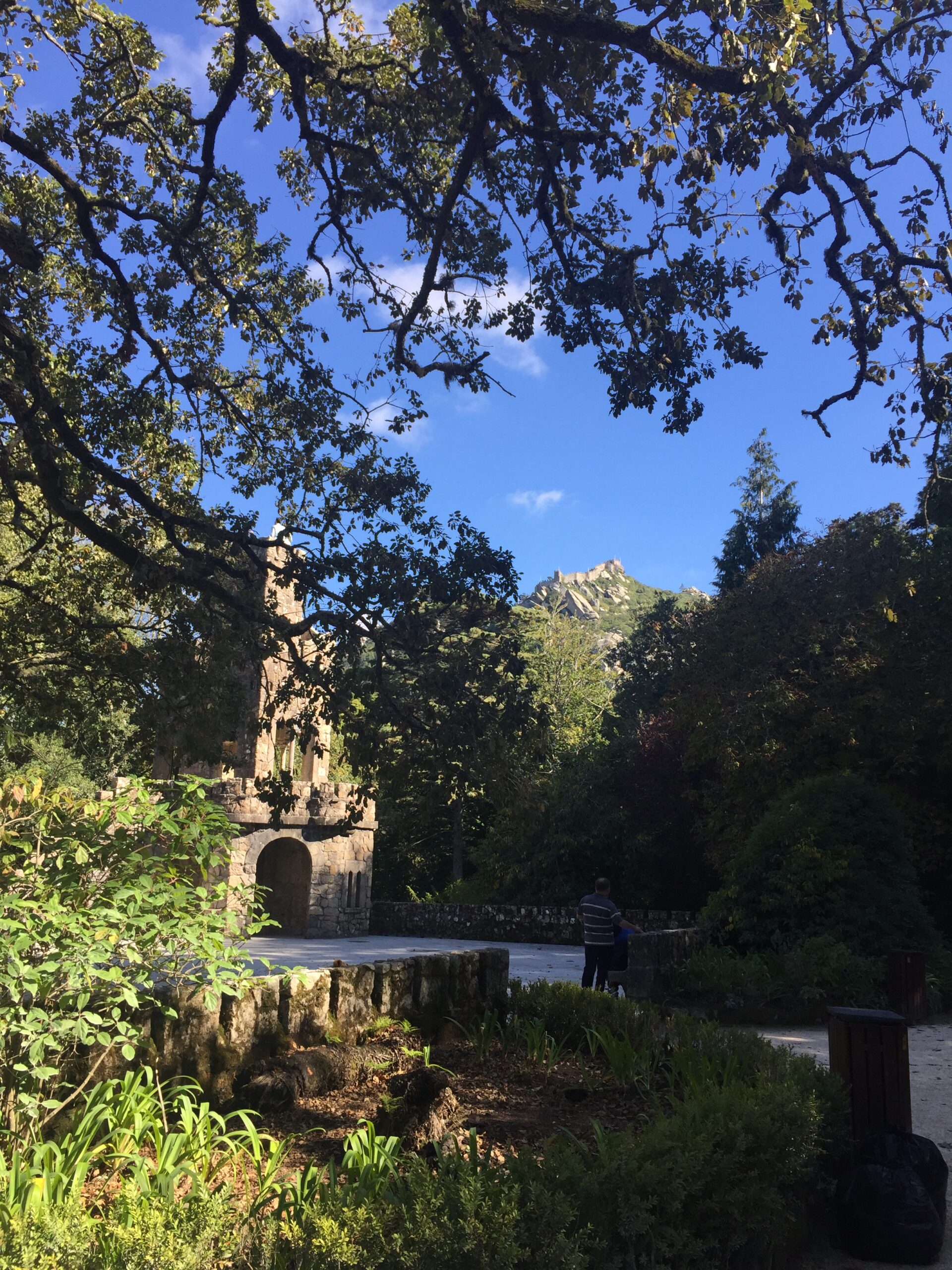
Just a short, enchanting train ride from Lisbon lies Sintra, a UNESCO World Heritage site and a realm where imagination takes flight. Nestled amidst lush, misty hills, Sintra is a breathtaking testament to 19th-century Romanticism, a whimsical landscape dotted with vibrant palaces, ancient castles, and mystical gardens. Unlike the urban pulse of Lisbon, Sintra offers an escape into a dreamscape where human artistry and natural beauty blend to inspire awe and fantastical contemplation. Its unique microclimate often cloaks the peaks in a mystical fog, adding to its ethereal charm. Here, you can truly connect with the power of dreams, artistic vision, and the allure of escaping into a world shaped by fantasy. Key experiences in Sintra are as follows:
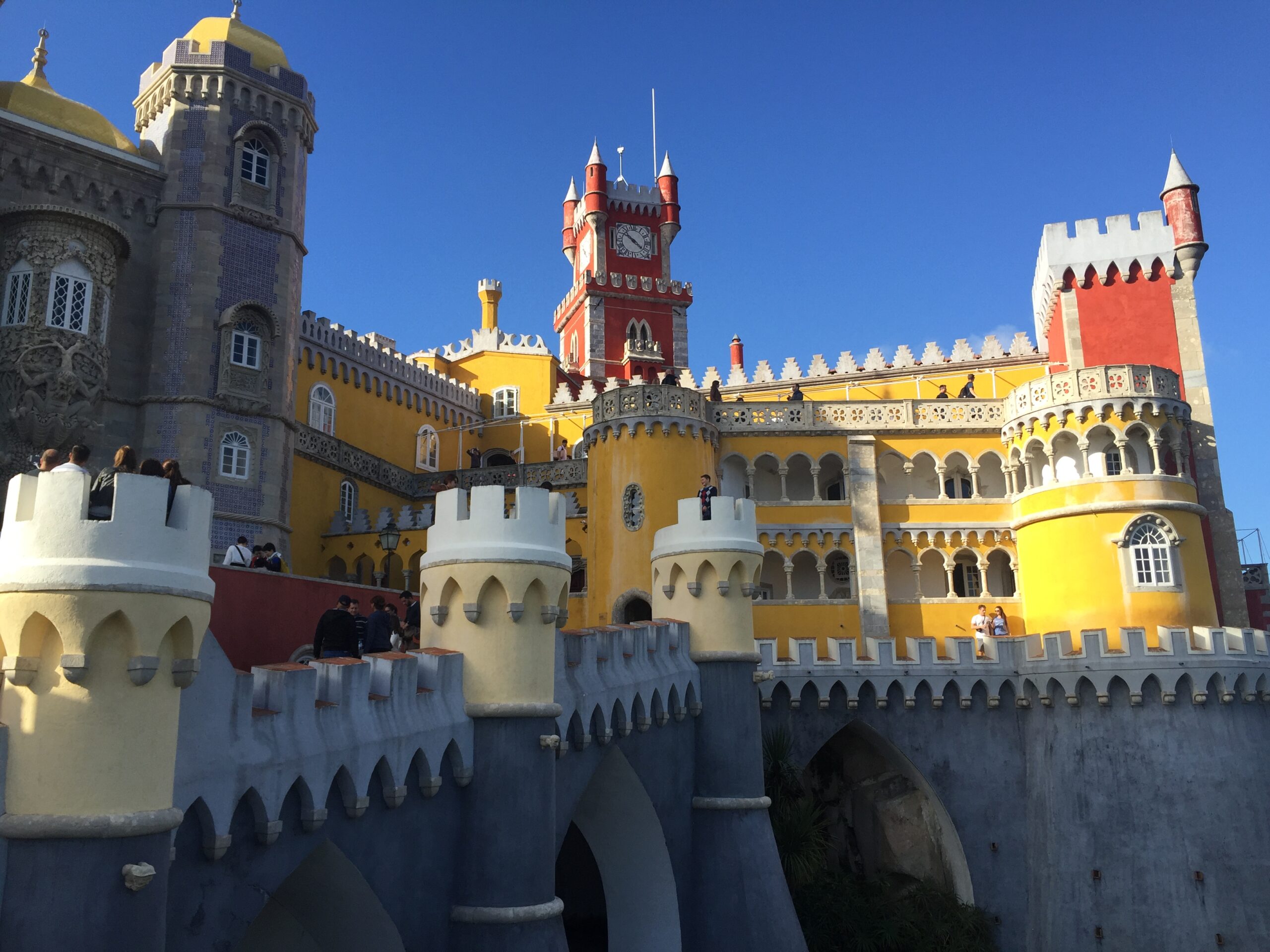
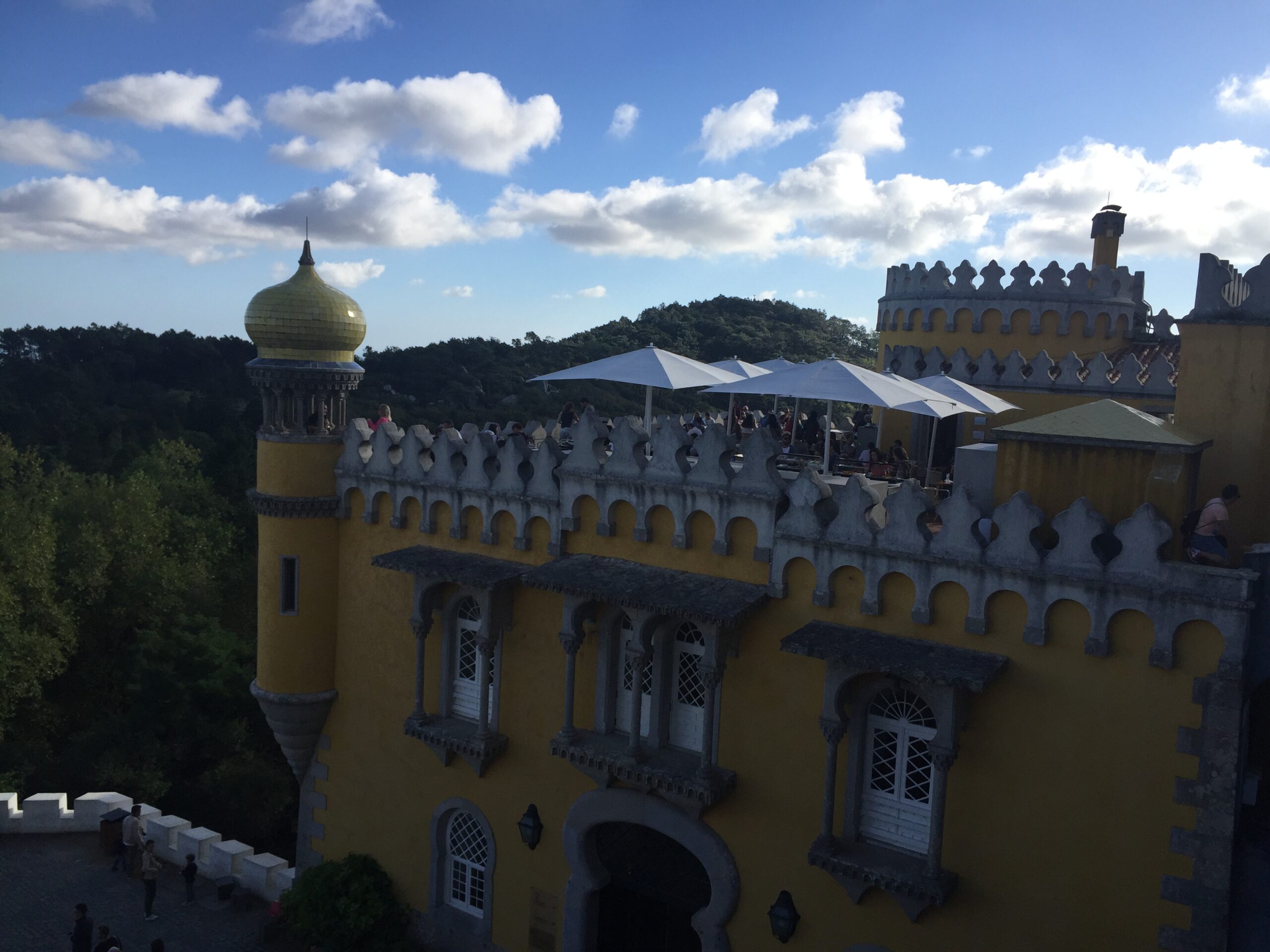
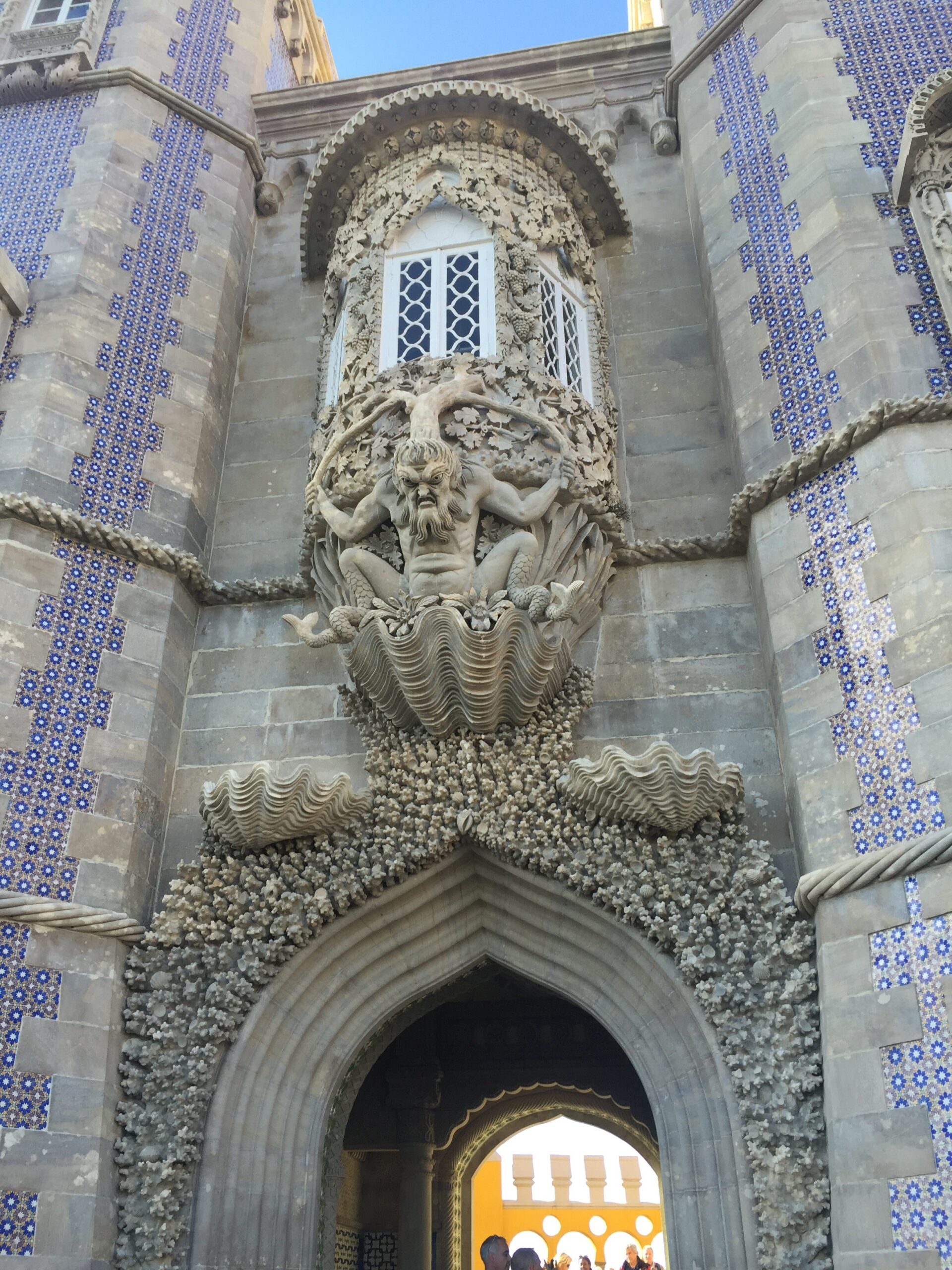
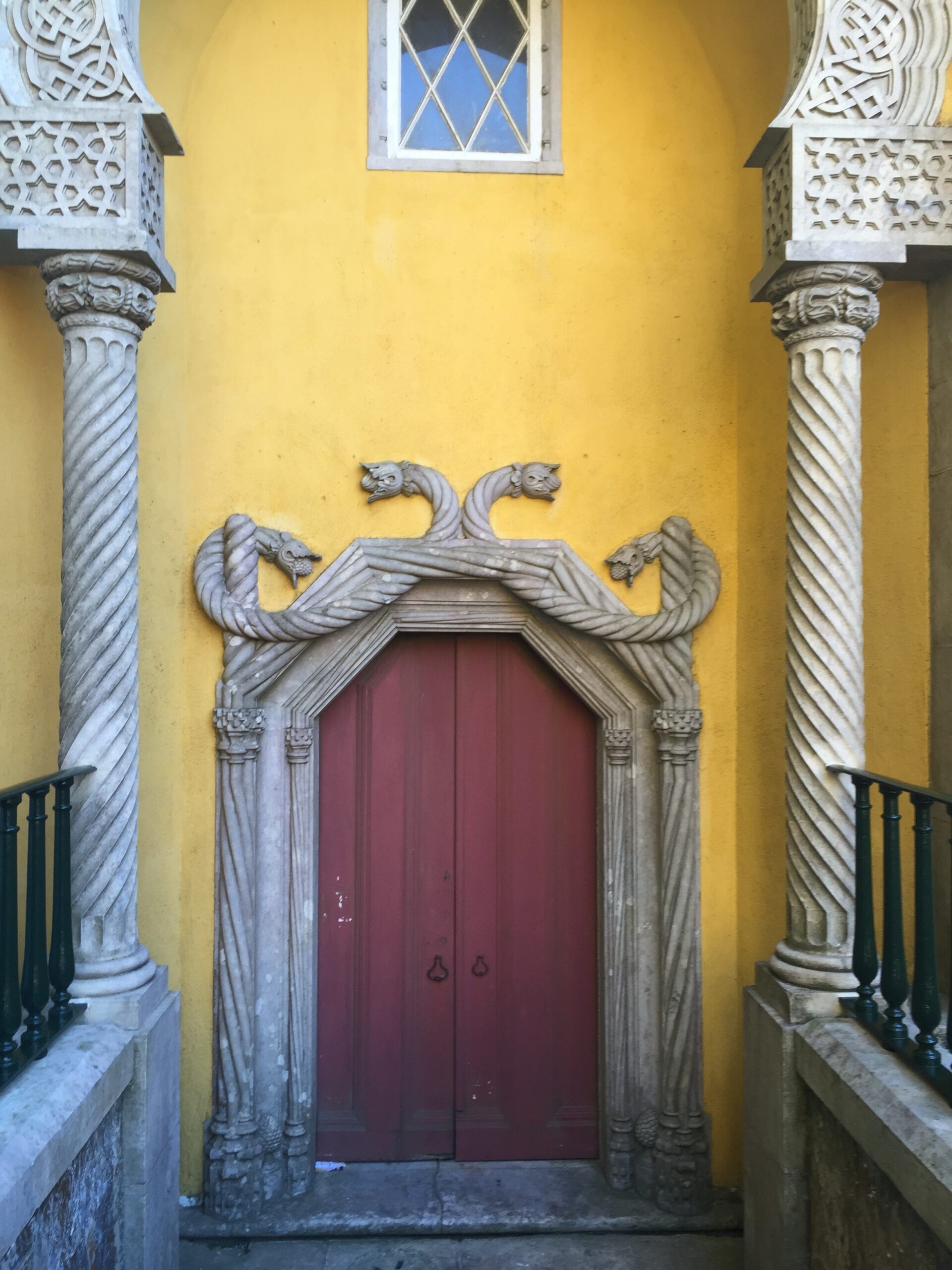
Discover Pena Palace: Explore the iconic, vibrantly colored Pena Palace, a whimsical fairytale castle perched atop a hill, offering stunning architecture and panoramic views.

The Pena Palace
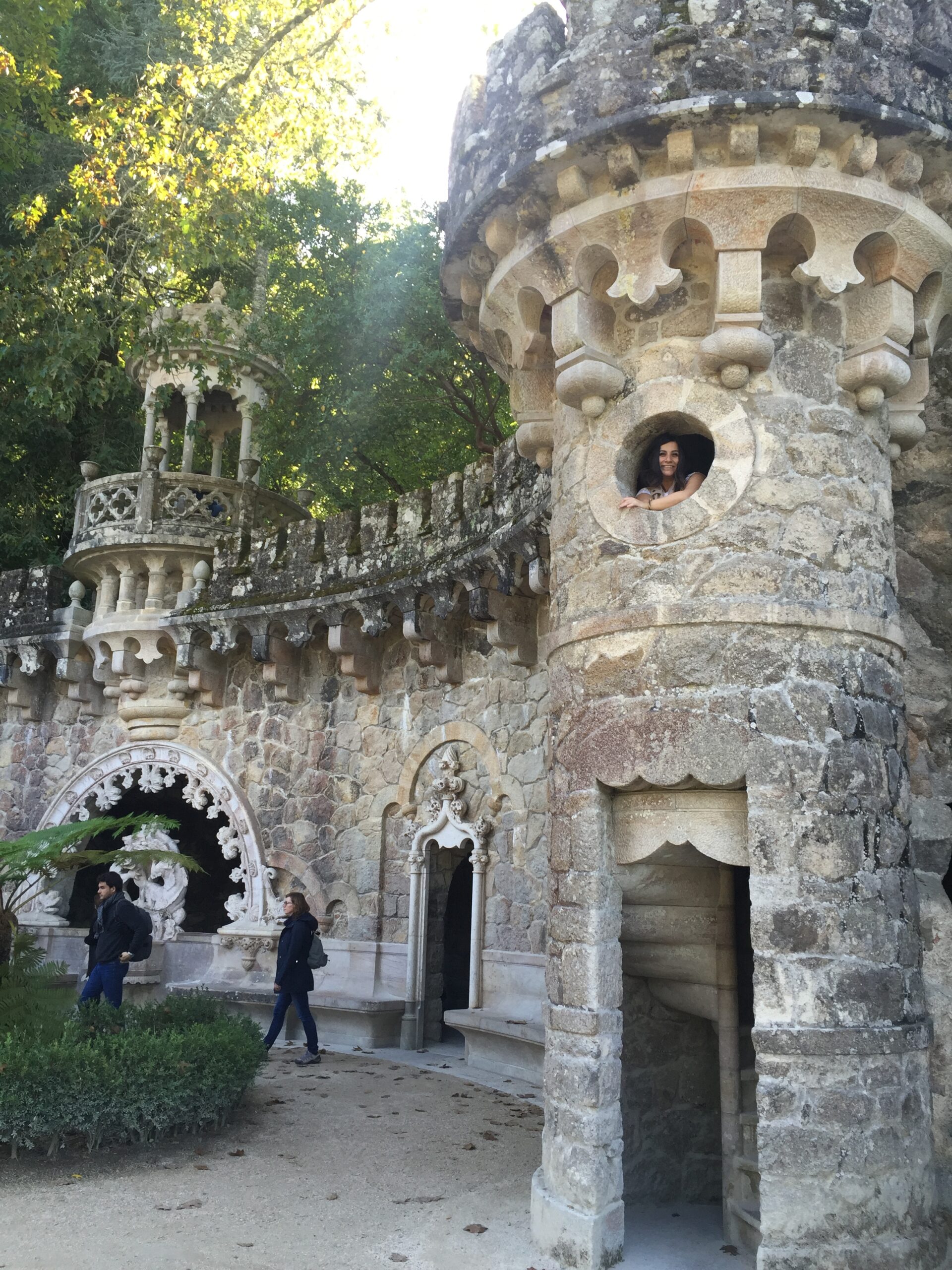
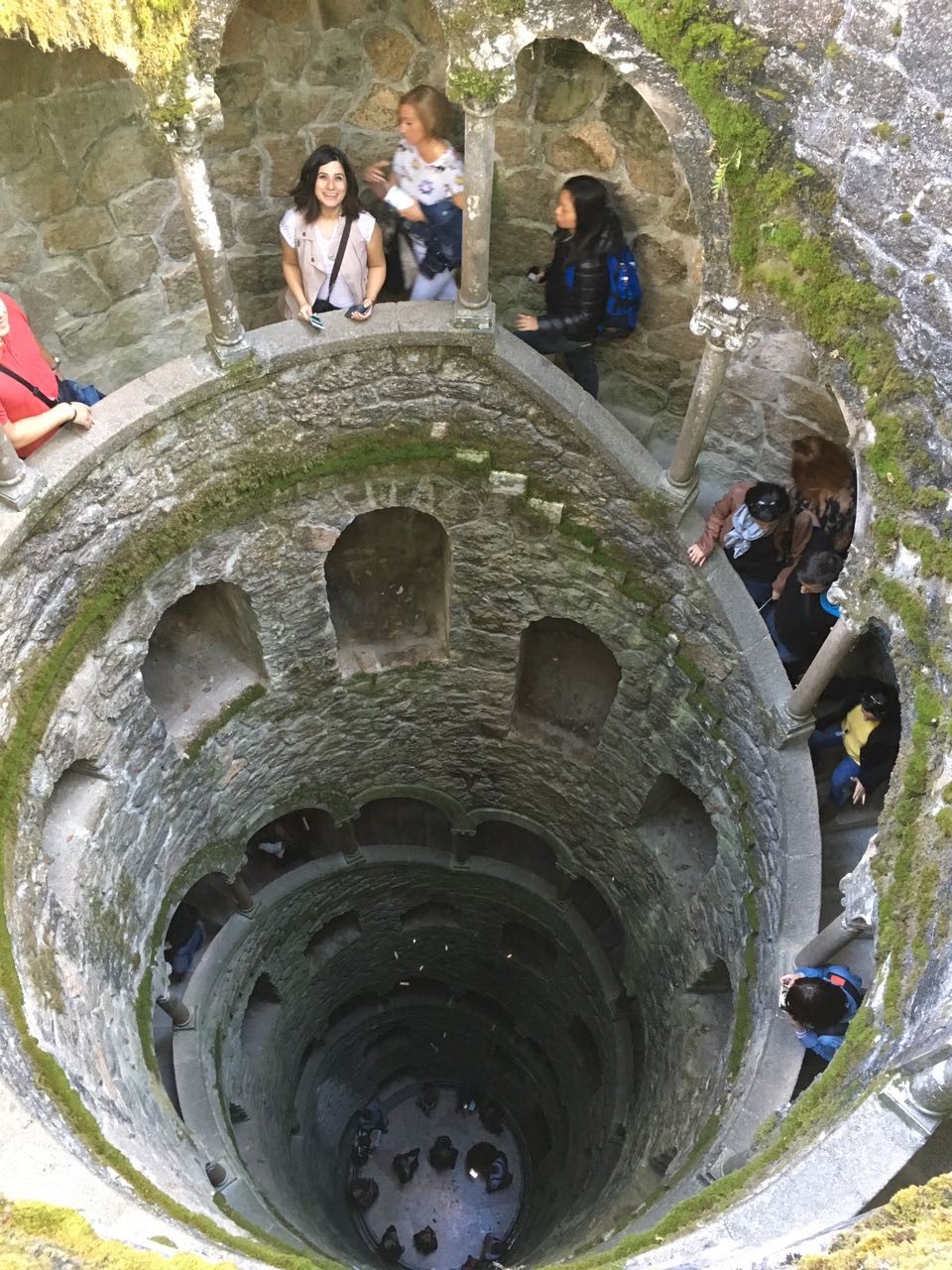
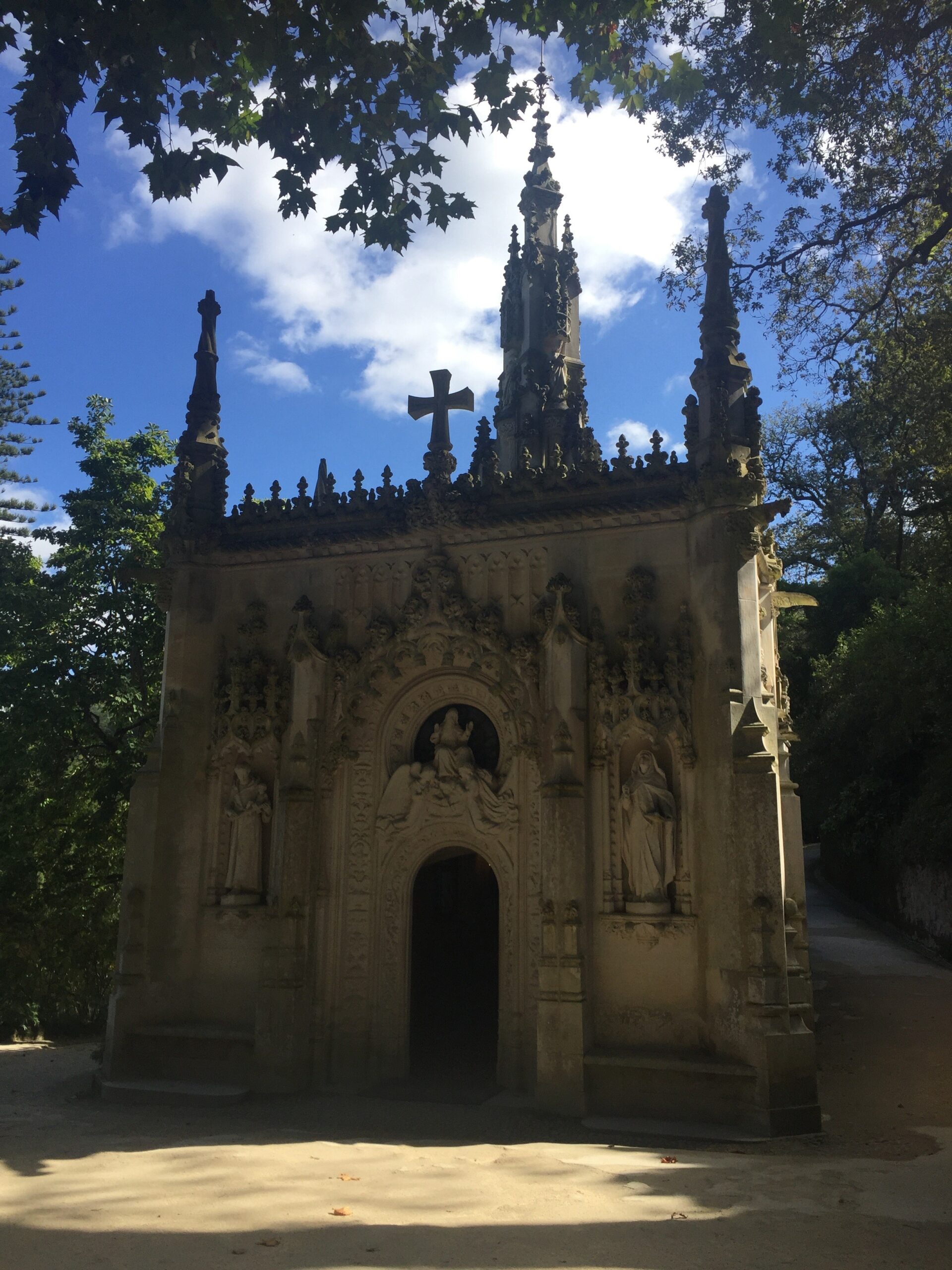
Unravel Quinta da Regaleira: Wander through the mystical gardens of Quinta da Regaleira, discovering hidden tunnels, grottoes, lakes, and the famed Initiation Well, inviting a sense of intrigue and adventure.
The Initiation well is a reverse tower that descends 27 meters (about 88 feet) into the earth. Its spiral staircase has nine landings, which are said to symbolize the nine circles of hell, the nine sections of purgatory, and the nine heavens as described by Dante Alighieri in The Divine Comedy. The number nine also has strong ties to the Knights Templar and the Freemasons. The well was used for mystical initiation ceremonies. The descent into the well was a symbolic journey from darkness and ignorance to light and enlightenment. The journey would begin at the top of the well and end in a pitch-black tunnel at the bottom, from which initiates would have to find their way out.
The bottom of the well features a compass rose over a Knights Templar cross. This is a recurring symbol throughout the Quinta da Regaleira estate and represents the blending of different spiritual and esoteric traditions. The well is also connected to a labyrinth of tunnels that run beneath the estate, leading to other significant locations like the Chapel and the waterfall. The entire estate was built in the early 20th century by António Augusto Carvalho Monteiro, a wealthy eccentric who was deeply interested in the esoteric, alchemy, Masonry, and the Knights Templar. He hired Italian architect Luigi Manini to help bring his vision to life, and the Initiation Well is the most famous example of their collaboration.
Quinta da Regaleira
The Initiation Well
Explore the Moorish Castle: Hike through the ancient ruins of the Moorish Castle, whose walls snake along the ridge, offering incredible views and a glimpse into Sintra’s ancient past.
Visit Sintra National Palace: Explore the distinct twin chimneys of Sintra National Palace in the town center, a beautifully preserved royal residence with a rich history.
Hike the Parks & Trails: Allow time to get lost (safely!) in the lush, verdant parks surrounding the palaces, breathing in the fresh air and soaking in the natural enchantment.
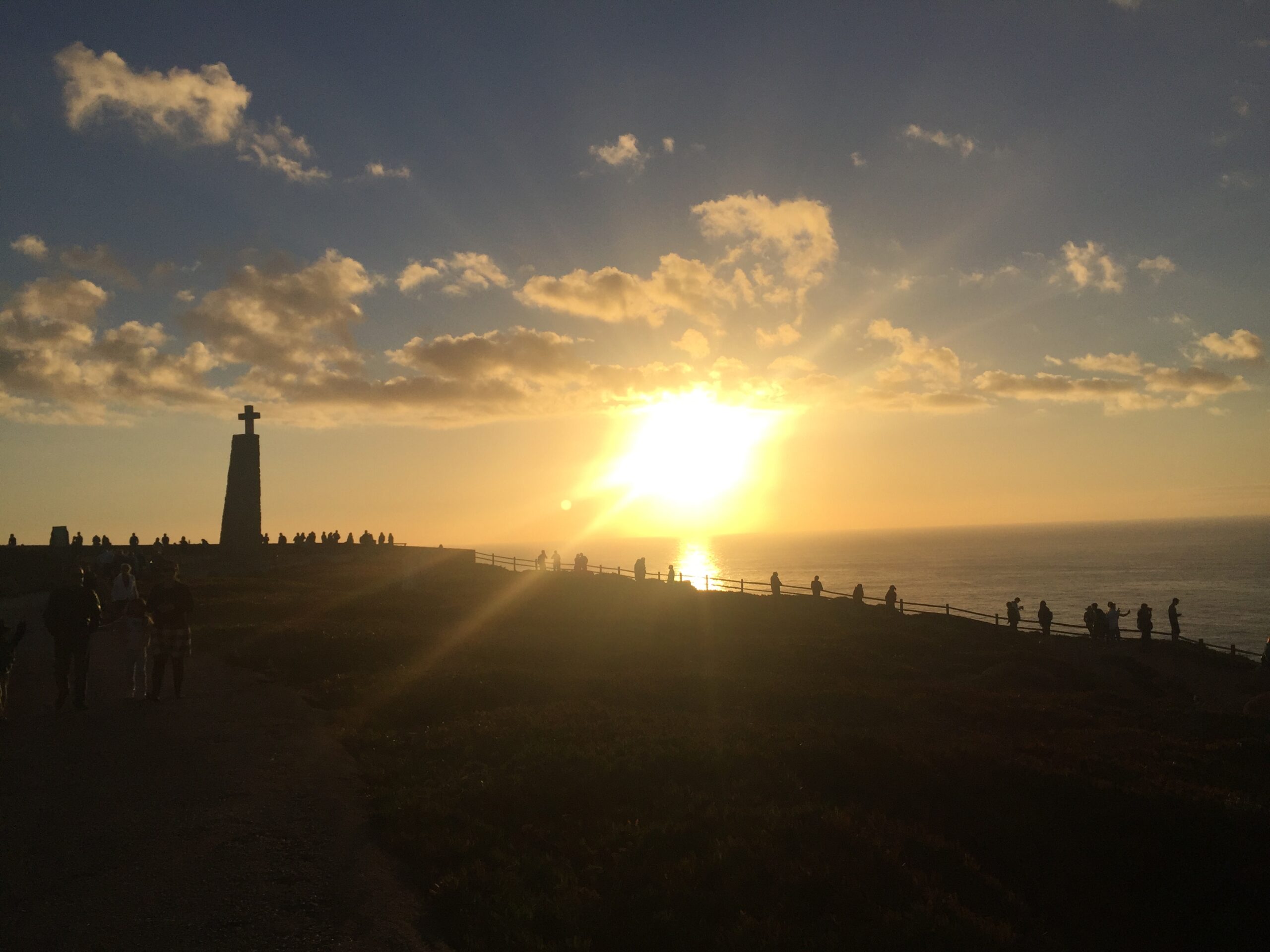
Witness the Sunset at Cabo da Roca: Take a journey to Cabo da Roca, the dramatic, windswept westernmost point of mainland Europe (easily accessible from Lisbon or as an extension of a Sintra trip). Standing on the cliffs overlooking the vast Atlantic, feel the powerful symbolism of the edge of the old world. As the sun dips below the horizon, painting the sky in fiery hues, it’s a truly unforgettable and contemplative experience, marking the day’s end at the very frontier of the continent.
Cabo da Roca
PORTO: THE SOUL OF THE DOURO RIVER
A few hours north of Lisbon by train, where the Douro River meets the Atlantic, lies Porto – a city that embodies the raw, authentic soul of Portugal. Unlike Lisbon’s sun-drenched grandeur, Porto offers a grittier, yet equally captivating, charm defined by its cascading colorful houses, iconic bridges, and the deep traditions of Port wine. Porto feels rooted, industrious, and deeply proud of its heritage.
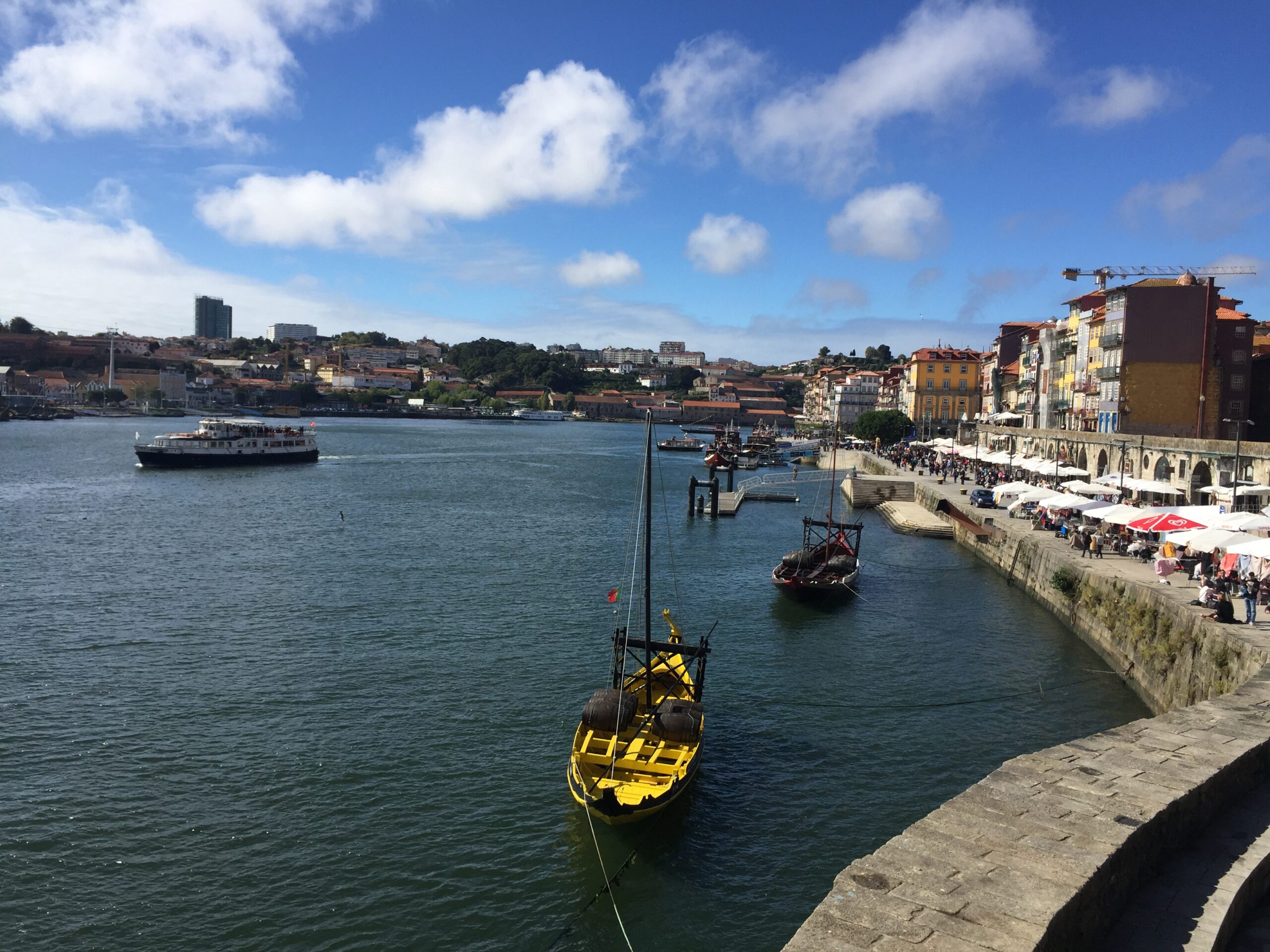
The Ribeira district, a UNESCO World Heritage site, is the beating heart of Porto. Its narrow, winding streets, packed with centuries-old buildings, tumble down to the Douro River, where traditional Rabelo boats once carried barrels of Port wine from the vineyards upriver. Across the majestic Dom Luís I Bridge, designed by a protégé of Gustave Eiffel, lies Vila Nova de Gaia, home to the famous Port wine cellars. Here, the air is thick with the sweet aroma of aging wine, and the spirit of craftsmanship and tradition is palpable. Porto challenges you to embrace its unvarnished beauty, to appreciate the strength of its character, and to find the profound charm in its genuine, lived-in essence. It’s a city that teaches an unforgettable lesson in authenticity, a testament to how tradition and hard work can forge a uniquely inviting spirit. Essential experiences in Porto are as follows:
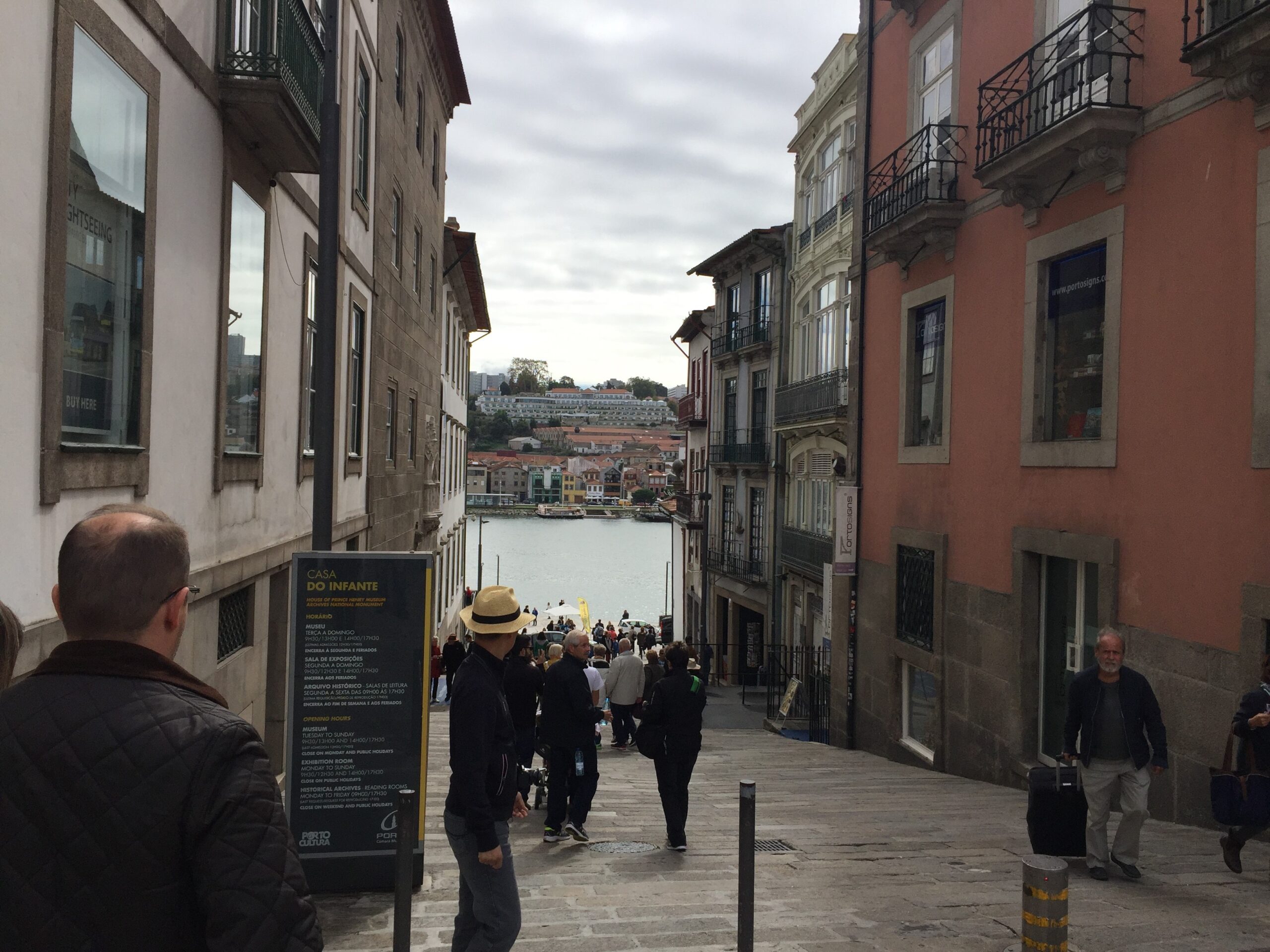
Wander the Ribeira District: Get lost in the narrow, colorful streets of Porto’s historic riverside district, soaking in the vibrant atmosphere and enjoying views of the Douro.
Douro River
Riberia District
Cruise the Douro River: Take a traditional Rabelo boat cruise to admire Porto’s six bridges from the water and gain unique perspectives of the city.
Taste Port Wine in Vila Nova de Gaia: Cross the Dom Luís I Bridge to Vila Nova de Gaia and tour one of the renowned Port wine cellars, learning about its production and, of course, enjoying a tasting.
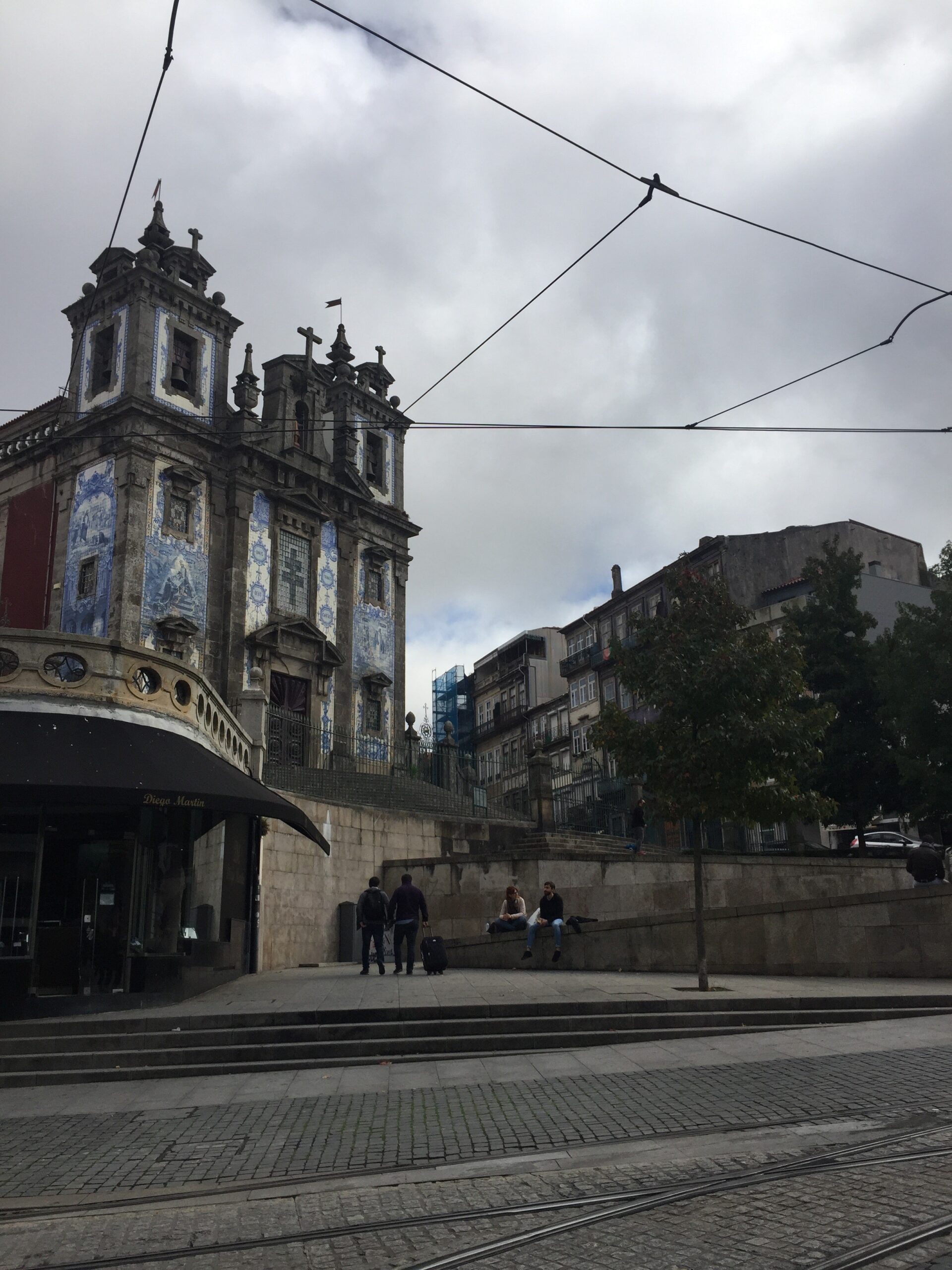
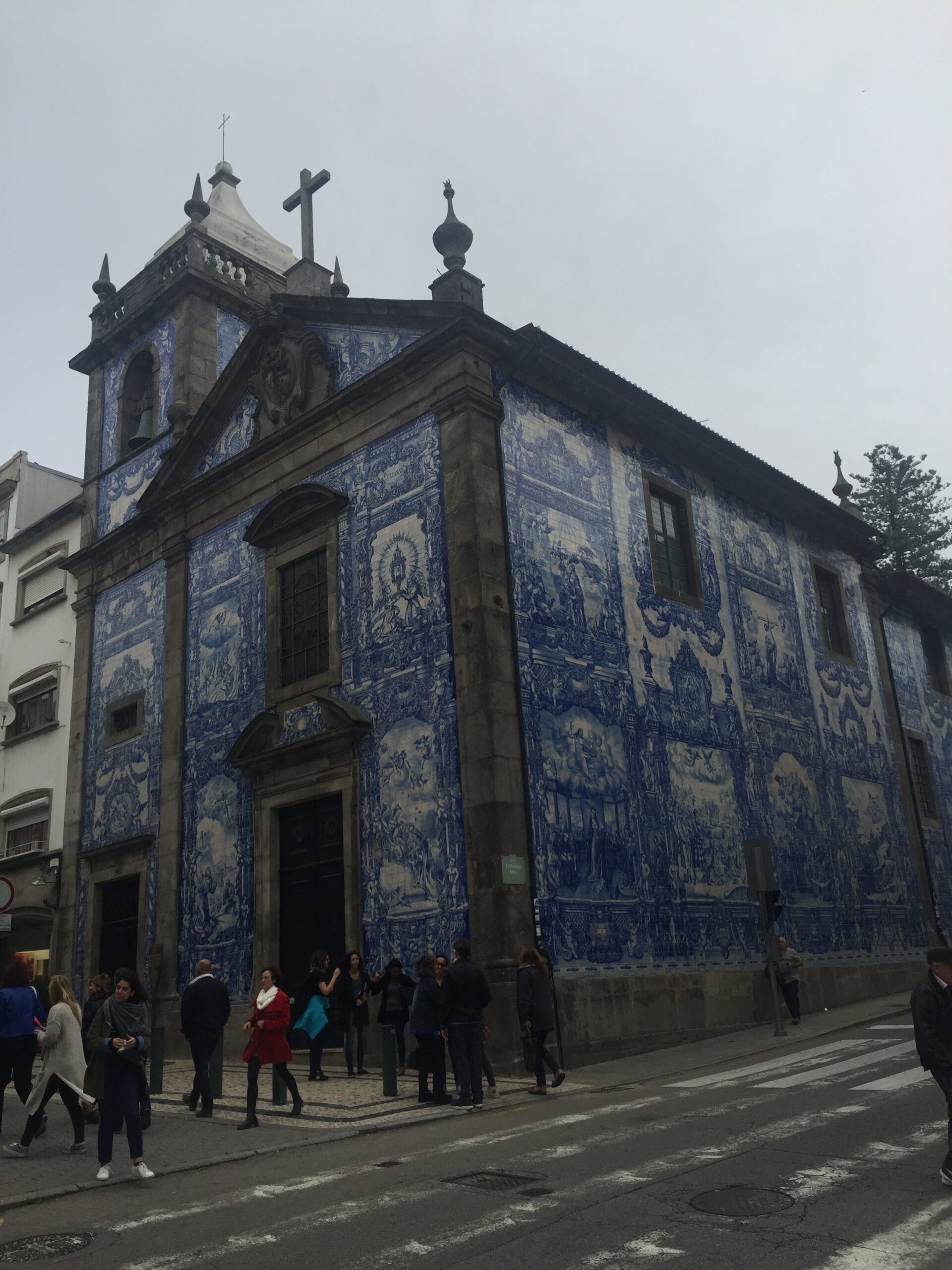
Visit Chapel of Santa Catarina: Amidst the bustling commercial energy of Porto’s Rua de Santa Catarina stands a beacon of captivating beauty and spiritual artistry: the Chapel of Santa Catarina, more widely known as Capela das Almas (Chapel of Souls). While its origins trace back to an 18th-century wooden chapel, its true fame stems from its extraordinary 20th-century transformation. Its entire exterior, spanning over 360 square meters, is adorned with nearly 16,000 vivid blue and white azulejo tiles. These magnificent hand-painted panels, created by Eduardo Leite, depict powerful scenes from the lives of Saint Catherine and Saint Francis of Assisi, turning a religious edifice into a grand outdoor canvas. To stand before this chapel is to engage in a moment of mindful awe, appreciating not just the intricate craftsmanship of Portuguese artistry, but also the stories of faith and devotion etched into its very walls, offering a serene pause in the heart of the city’s lively rhythm.
Chapel of Santa Catarina
Climb Clérigos Tower: Ascend the iconic Clérigos Tower for unparalleled panoramic views across Porto’s rooftops and out to the Atlantic.
Visit Livraria Lello: Step into one’s of the world’s most beautiful bookstores, Livraria Lello, renowned for its stunning Neo-Gothic architecture and inspiration for J.K. Rowling.
Explore São Bento Railway Station: Marvel at the intricate azulejo (blue and white tile) murals depicting Portuguese history inside the main hall of this beautiful railway station.
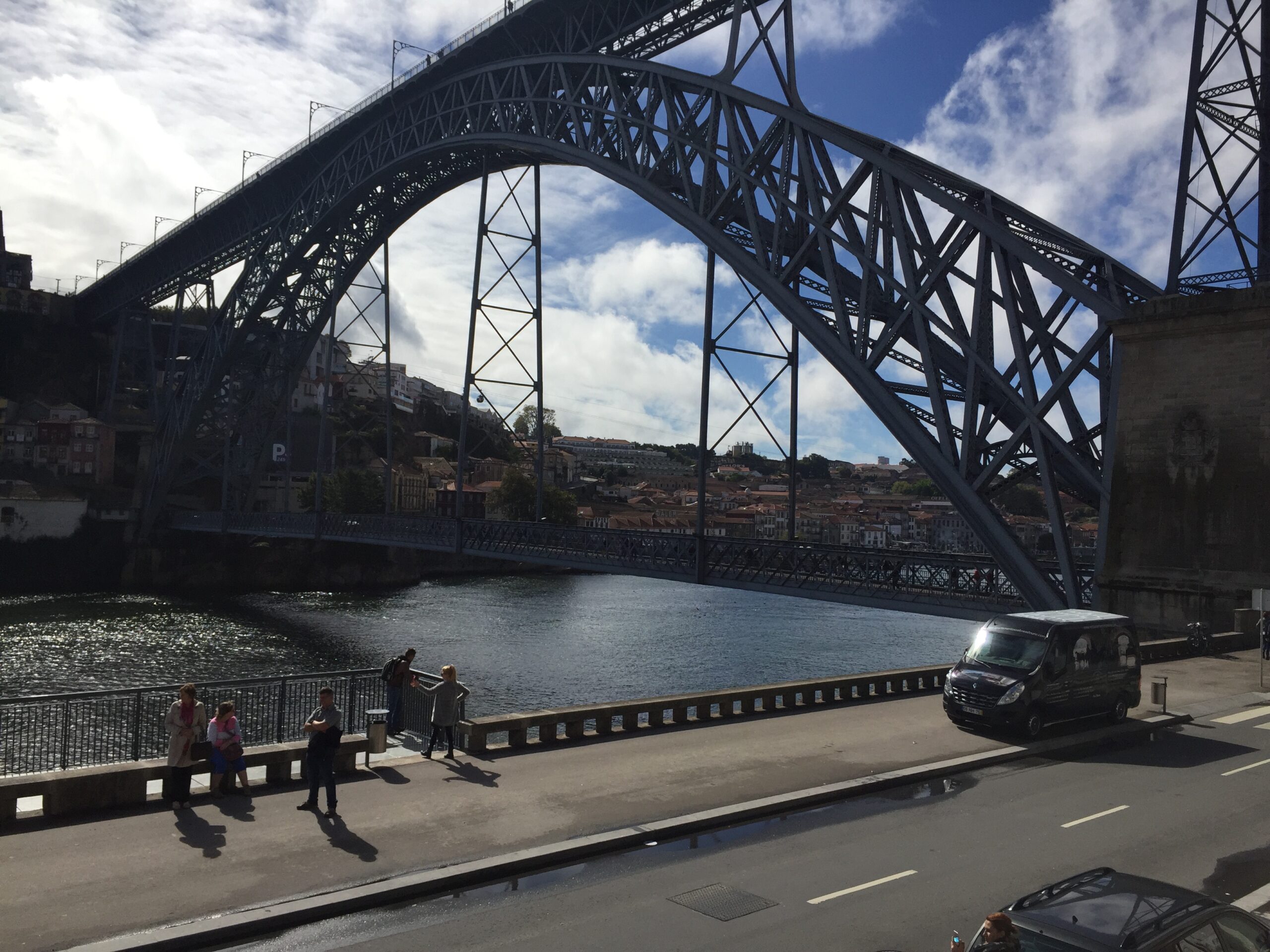
Cross the Dom Luís I Bridge: Walk across both levels of this impressive double-decked bridge, offering different perspectives of Porto and Vila Nova de Gaia.
Dom Luís I Bridge
Last but not least indulge in Porto’s iconic sandwich, the Francesinha, a hearty, layered creation drowned in a rich, spicy sauce – a true local culinary adventure.
Fish as a Dish in Portugal
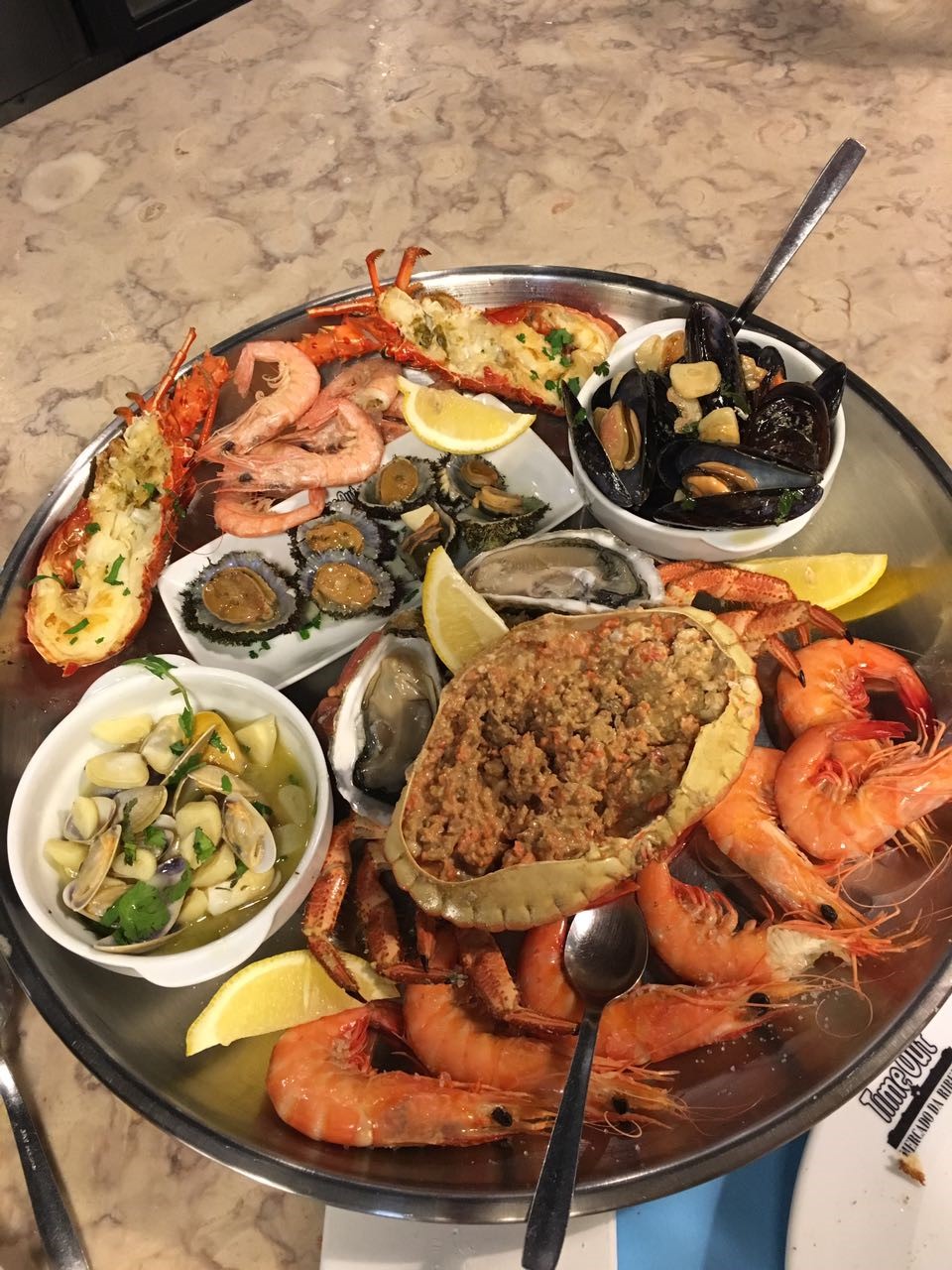
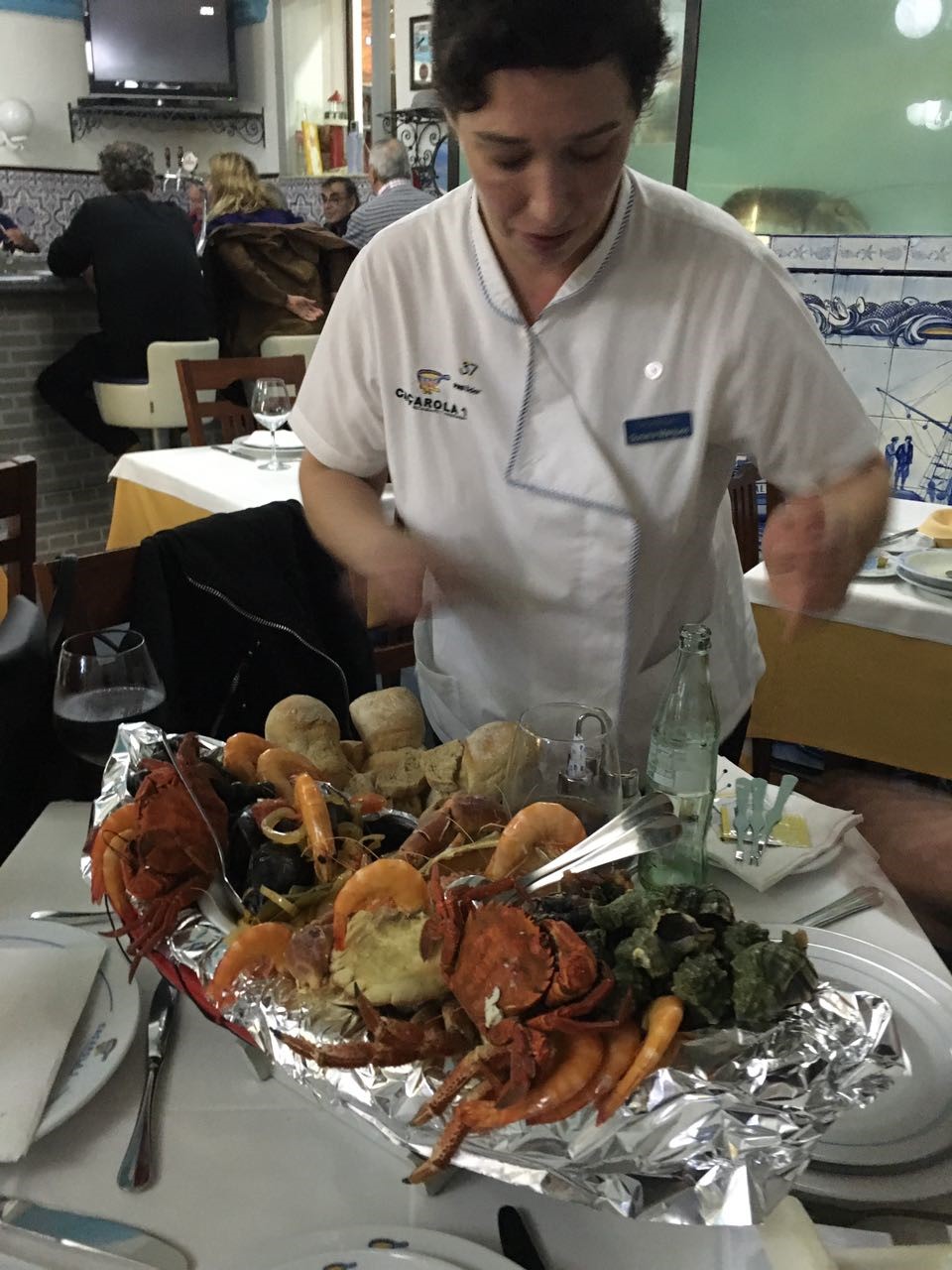
t merely a dish; it’s a cornerstone of daily life and celebratory feasts. While a staggering array of fish and shellfish grace Portuguese tables, a few stand out. Bacalhau (salted codfish) reigns supreme, with Portuguese tradition boasting over 365 ways to prepare it—one for every day of the year! From the creamy comfort of Bacalhau com Natas (cod with cream) to the rustic simplicity of Bacalhau à Brás (shredded cod with scrambled eggs and potatoes), it’s a culinary journey in itself. Come summer, especially in Lisbon, the aroma of sardines (sardinhas assadas) grilling over charcoal fills the air, a simple yet utterly irresistible delicacy enjoyed fresh, hot, and often just with a slice of bread. Beyond these staples, you’ll find an abundance of grilled fish (peixe grelhado) like sea bass (robalo), sea bream (dourada), and horse mackerel (carapau), always served simply with a drizzle of olive oil, potatoes, and a fresh salad, allowing the natural flavors of the ocean to shine.
Porto, with its strong ties to the Douro River and Atlantic coast, offers its own distinct seafood narratives. While bacalhau remains immensely popular (try the famous Bacalhau à Gomes de Sá, a comforting casserole), the city’s culinary scene also features a rich array of shellfish and unique preparations. Don’t miss Polvo à Lagareiro, tender octopus roasted with generous amounts of olive oil and smashed potatoes, a testament to the region’s love for both the mollusk and its liquid gold. Seafood rice dishes, known as Arroz de Marisco, are a fragrant, hearty symphony of various shellfish cooked with rice in a flavorful broth. The traditional cataplana, a clam-shaped copper pot, is often used to steam a medley of fish and shellfish with aromatic herbs and vegetables, sealing in all the succulent flavors. Whether you’re indulging in a simple grilled catch or a complex seafood stew, the “huge amount” of fresh, expertly prepared fish in Lisbon and Porto is not just a meal, but a profound cultural immersion into the heart of Portugal’s connection with the sea.
Suzy Areti
Suzy Areti