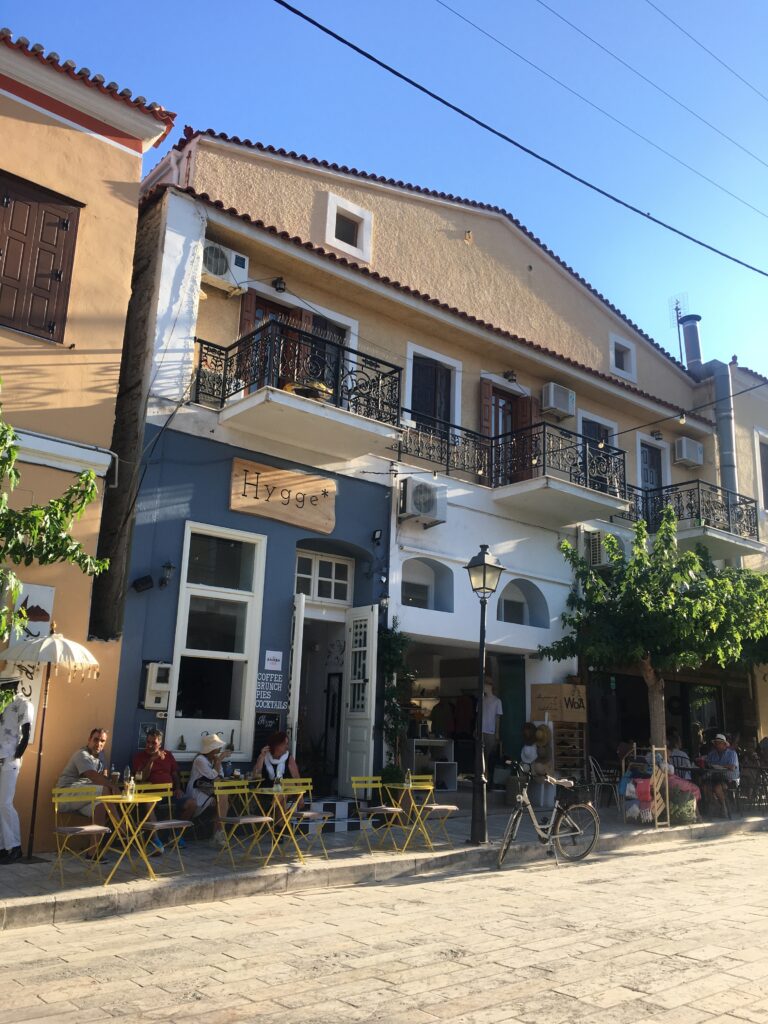
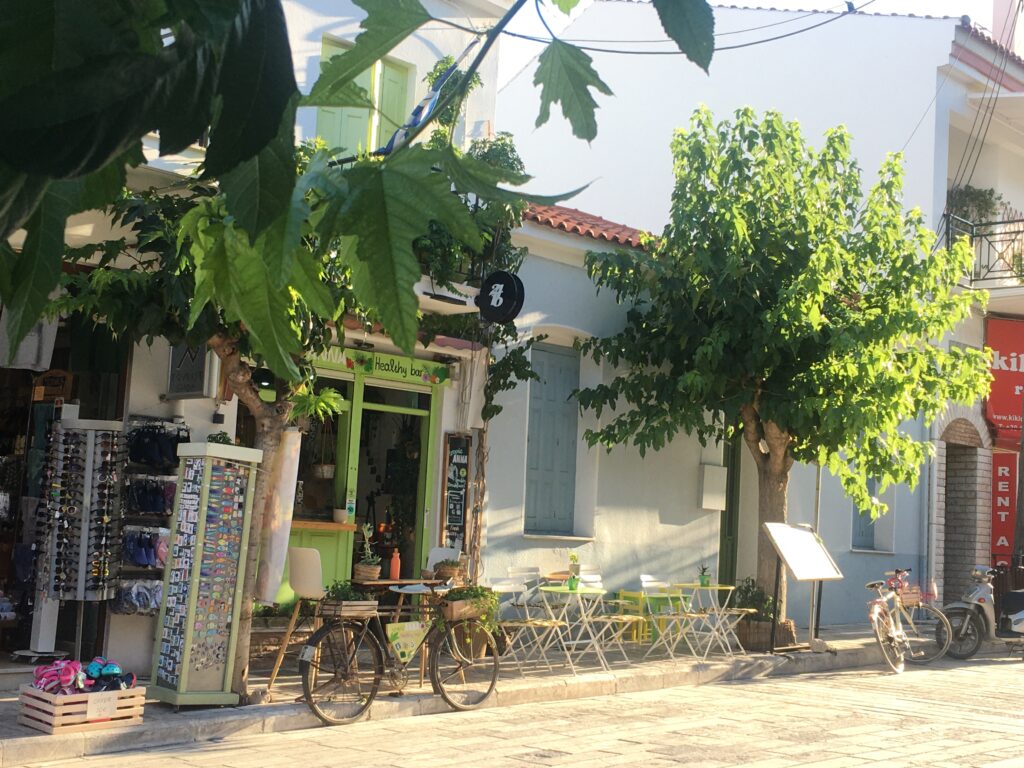
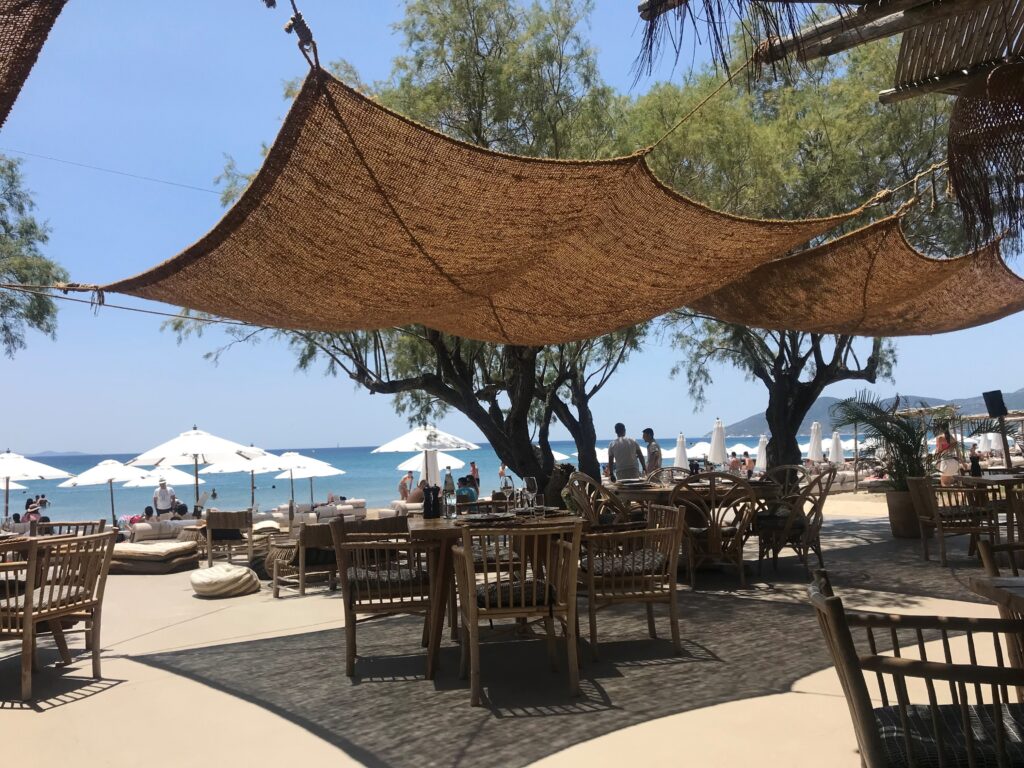
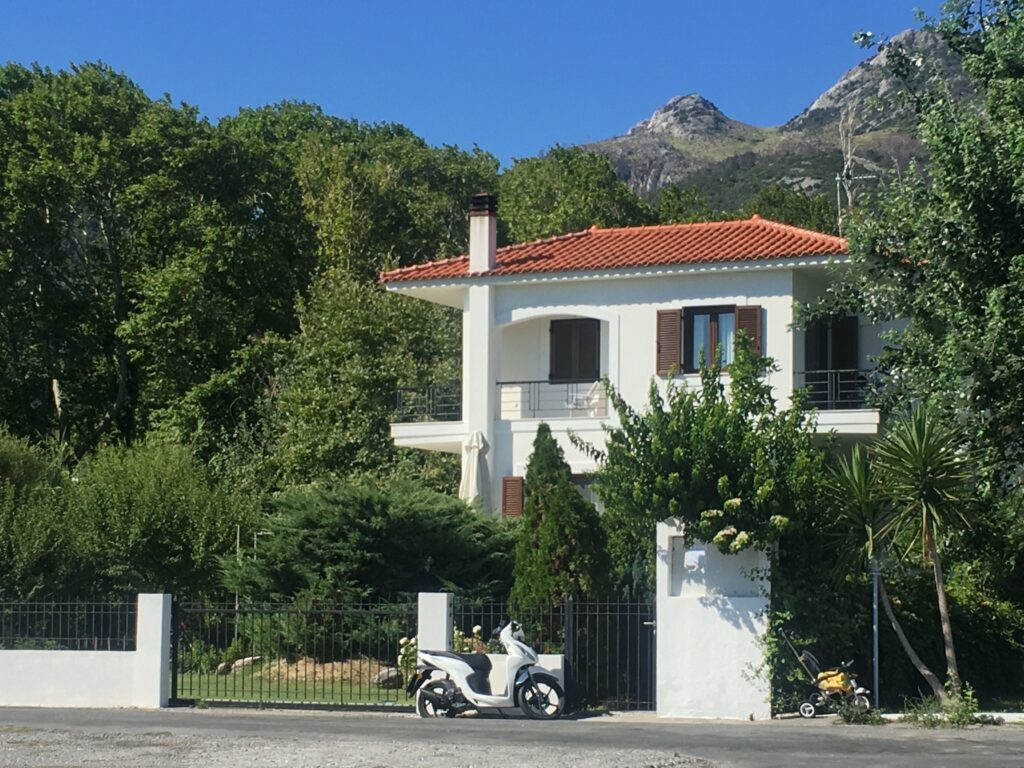
For the discerning traveler – one who seeks to walk in the footsteps of mathematical giants, to feel the lingering presence of ancient deities, to marvel at audacious engineering feats, and to connect with the timeless rhythms of island life – Samos offers an profound exploration of intellectual curiosity, spiritual resonance, and serene beauty. It’s a chance to immerse oneself in a landscape where philosophy was born, where gods were revered, and where the human spirit consistently reached for new horizons.

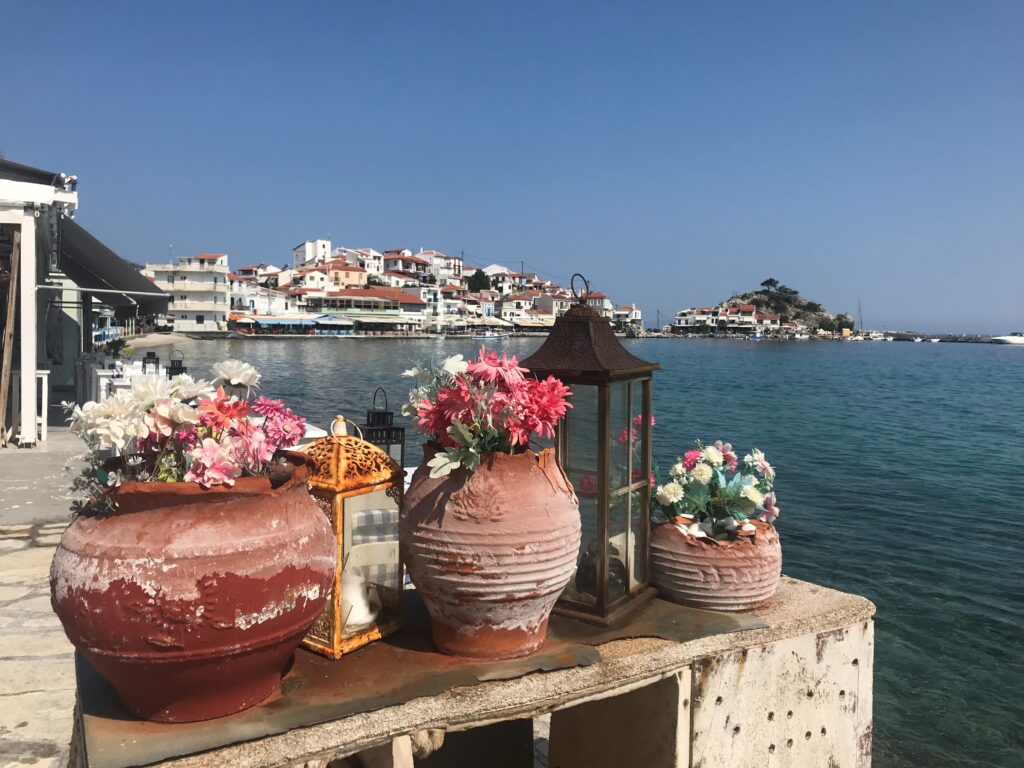
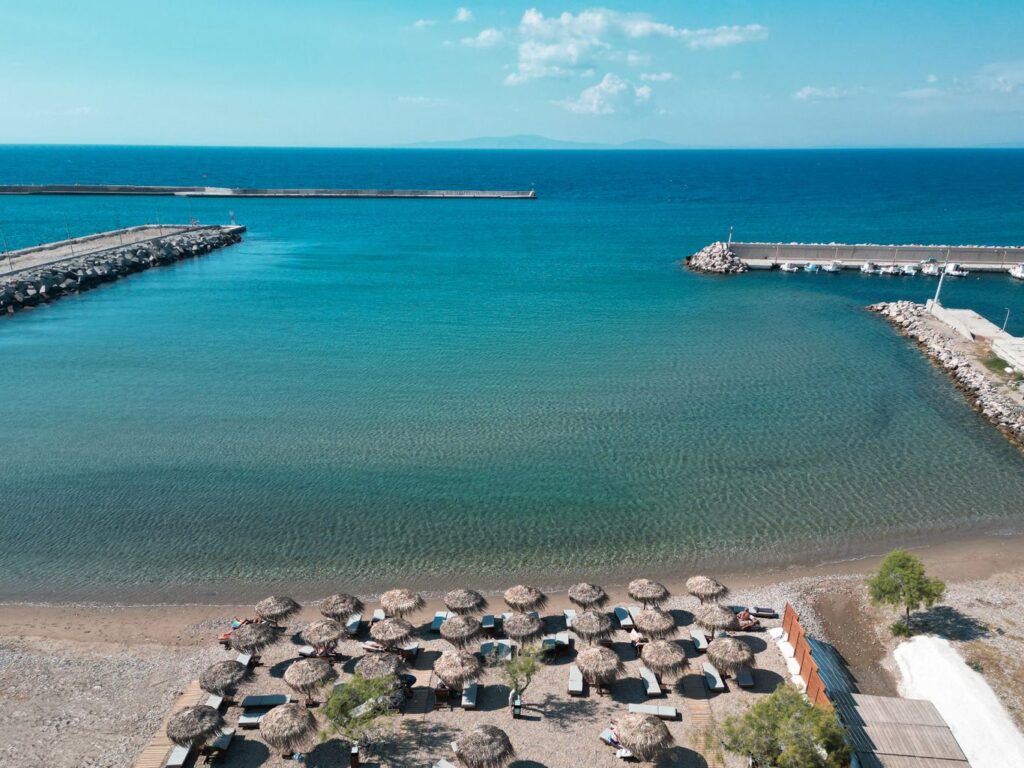
Kokkari is a popular resort village located about 10 kilometers northwest of Samos Town. It’s well-known for its vibrant atmosphere and stunning beaches. The area is particularly famous for its strong northern winds, which make it a paradise for watersports enthusiasts. Kokkari Beach is the main beach in the village, a well-organized pebble beach with deep, clear waters. Due to the wind, it’s a popular spot for windsurfers. Nearby, you’ll find other beautiful beaches.

Kokkari

BEST BEACHES IN KOKKARI – SAMOS

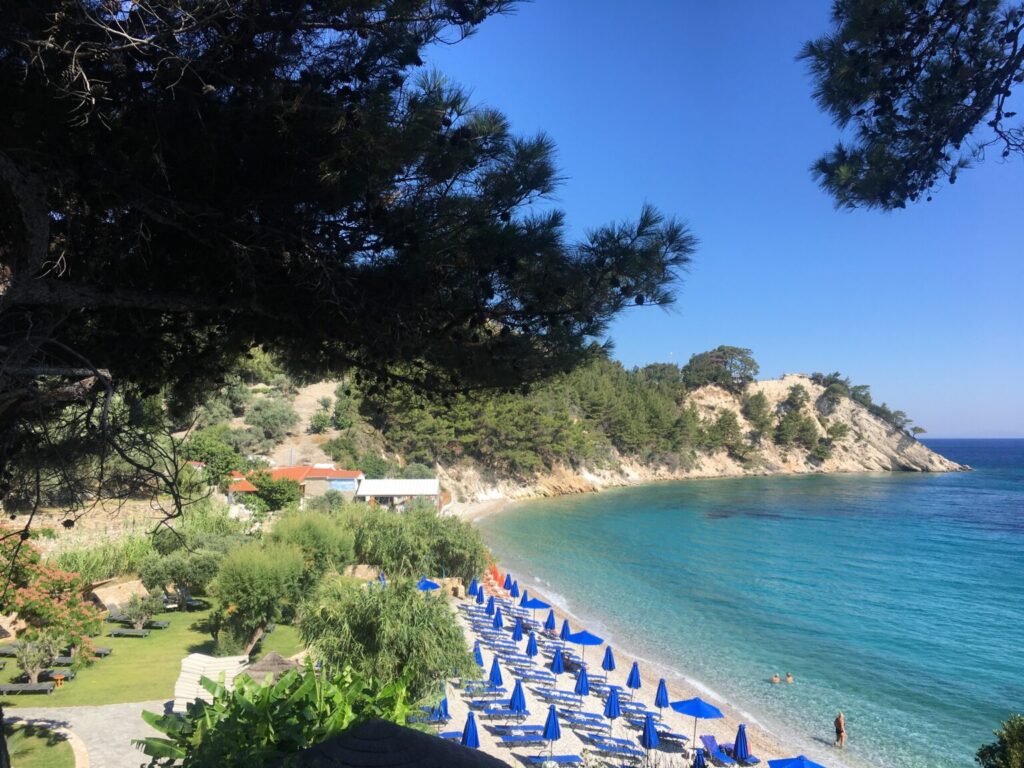
Lemonakia: A picturesque, organized pebble beach with a tavern, enclosed in a cove with lush greenery. It’s well-organized with sunbeds, umbrellas, and a tavern or beach bar for food and drinks. There are also changing rooms and showers. Lemonakia is less exposed to the wind than other north coast beaches, resulting in calmer waters. However when the north wind blows strongly, waves can get high.

Tsamadou: A stunning beach located just a short walk from the main road. It’s known for its thick pine groves, clear water, and is considered the island’s only official nudist beach (especially on its eastern side)

Micra Lemonakia: Often referred to simply as Lemonakia, is a beautiful beach situated near Kokkari. It’s known for being a smaller, more intimate version of the larger beaches in the area. Micra Lemonakia is a sheltered cove located about 13 kilometers northwest of Vathy and just 1.7 kilometers west of Kokkari. It is easily accessible by bus or car, with a short path leading down from the main road to the beach. While it can get crowded in the high season (July and August), it generally offers a more tranquil and peaceful atmosphere compared to some of the busier beaches nearby, like Tsamadou Beach.

Lemonakia Beach
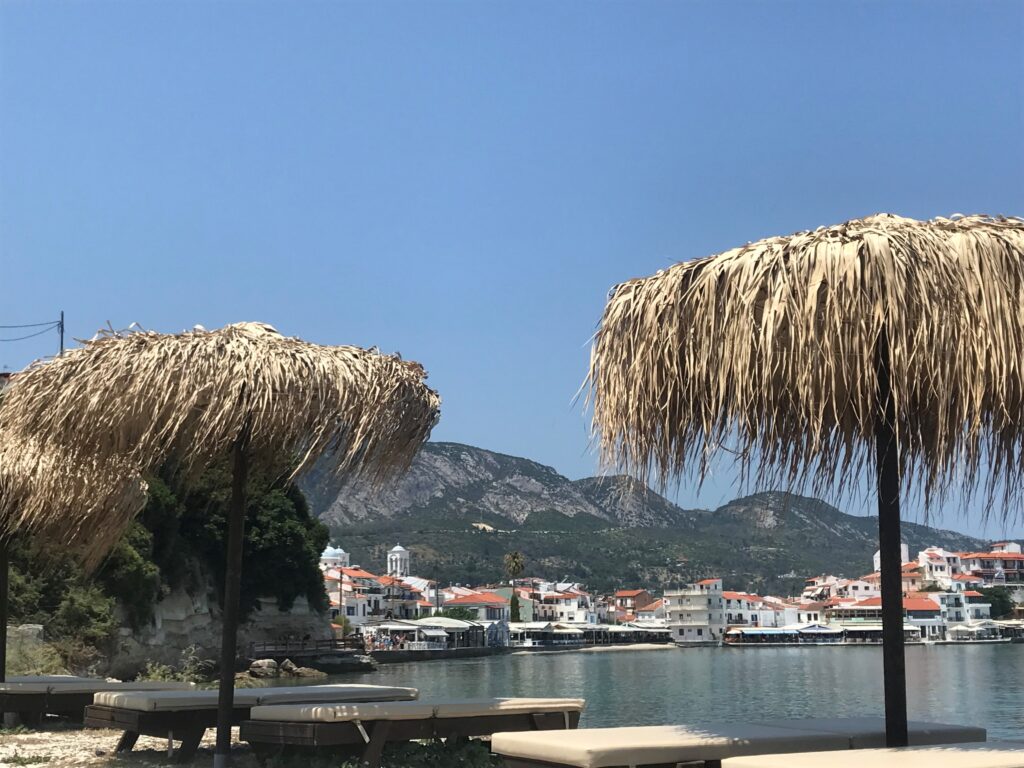
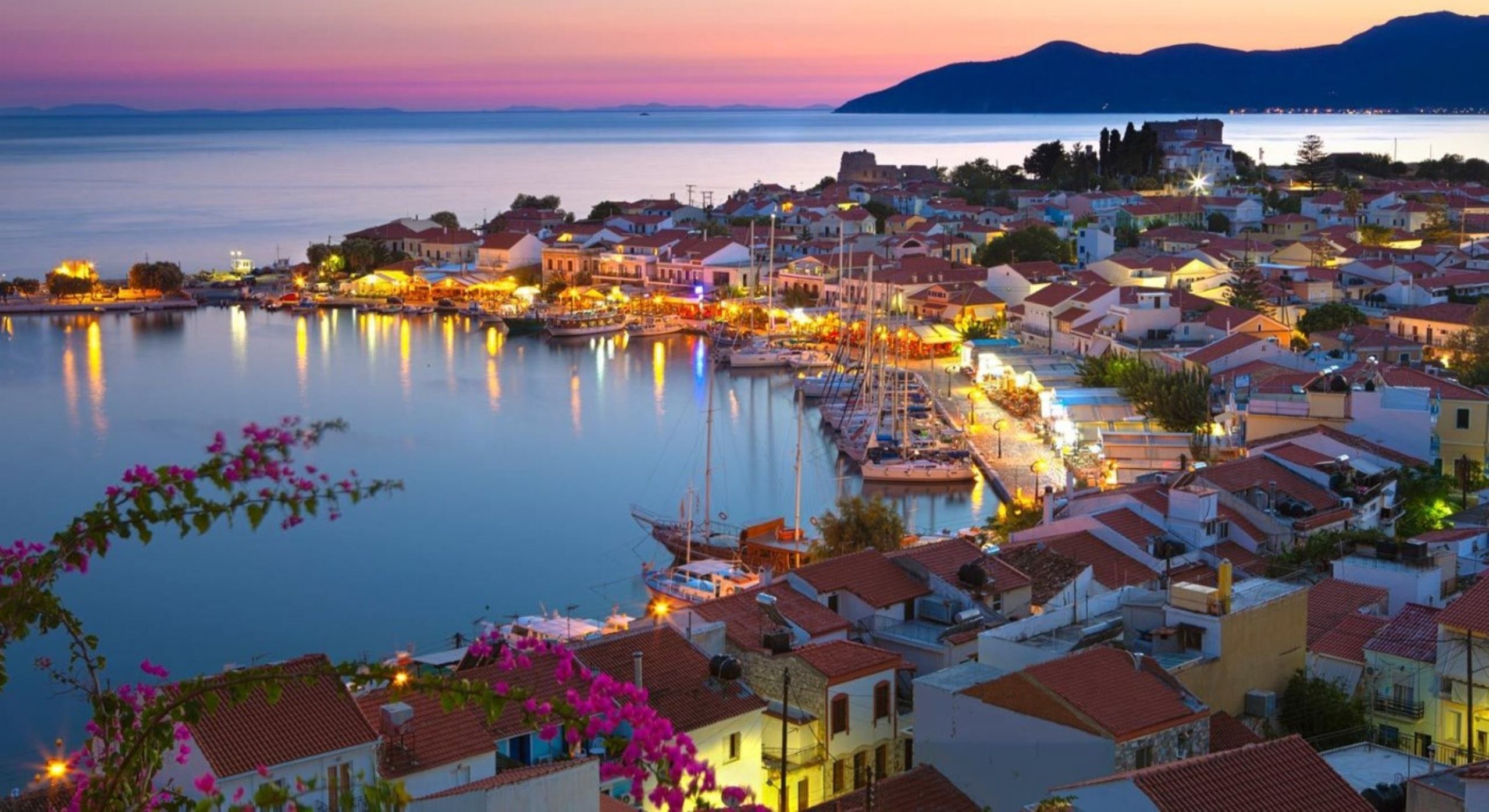
Kokkari View from Micra Lemonakia

Samos, an island where the sun-drenched beauty of the Aegean Sea meets the profound legacy of one of history’s greatest minds, is a destination unlike any other. While its pristine beaches and charming villages are a delight, a trip here is truly an intellectual pilgrimage to the birthplace of Pythagoras.

Pythagoreion, the ancient city of Samos (known as Tigani until 1955), was one of the most important centers of the ancient Greek world, particularly during the 6th century BCE under the tyrannical but visionary ruler Polycrates. His reign saw immense prosperity and ambitious public works. Walking through the ruins of Pythagoreion, you can trace the remnants of its ancient port (one of the oldest artificial harbors in the Mediterranean), Roman baths, a theatre, and residential areas. It’s a place where history is literally layered, inviting contemplation on the ebb and flow of power, trade, and urban development over centuries. The true intellectual beacon of Samos, however, is Pythagoras, born here around 570 BCE. His name is synonymous with the Pythagorean theorem, but his influence extended far beyond mathematics into philosophy, cosmology, and music theory, shaping Western thought for centuries. He established a school here, where his followers explored the fundamental nature of numbers and their relationship to the cosmos, advocating for a holistic approach to understanding the universe.

Just a few kilometers west of Pythagoreion lies the Heraion of Samos, an ancient sanctuary dedicated to the goddess Hera. According to mythology, Samos was Hera’s birthplace, making this one of the most significant and ancient sanctuaries in the Greek world, dating back to the Mycenaean period. Though today only one standing column (among countless fallen ones) remains of the colossal Temple of Hera (the largest Greek temple ever built, surpassing even the Parthenon in size), the scale of the site is still awe-inspiring. It speaks of immense devotion, architectural ambition, and the deep mythological roots that defined ancient Greek spirituality. Wandering among the ruins, you can almost hear the whispers of priests and worshippers, feeling the palpable sense of a sacred space dedicated to the queen of the gods. The Heraion offers a profound meditation on the evolution of religious practice and the human need to honor the divine.

Pythagoreion

The third marvel of this UNESCO site is the Tunnel of Eupalinos (Efpalinio Orygma). This 6th-century BCE aqueduct tunnel, nearly a kilometer long, was engineered to bring water through a mountain to the ancient city of Samos. What makes it truly extraordinary is that it was dug simultaneously from both ends, meeting in the middle with astonishing precision (an error of only a few centimeters), a feat that pre-dates modern surveying techniques by millennia. The ingenuity displayed here is mind-boggling, a testament to ancient Greek mathematical and engineering brilliance. Walking through parts of this tunnel is a humbling experience, a physical journey into the heart of ancient problem-solving and an enduring philosophical question: what drove humans to achieve such impossible feats for survival and progress?

Your exploration doesn’t have to be limited to ancient sites. You can also discover the island’s modern charms, like the stunning Asterias Beach. This beach is a serene escape, offering crystal-clear waters and a peaceful atmosphere. It’s the perfect place to relax, swim, and read about the great minds of the past.

For a taste of local life, a visit to Two Spoons Patisserie is a must. This charming cafe, known for its delectable pastries and refreshing coffee, provides a wonderful moment of pause. Their expertly crafted espresso and artisanal sweets are the best way to end a night.

What else should be done in Samos to totally experience the island?

Visit Potami Waterfalls:

Located on the western side of the island near Karlovasi, Potami Waterfalls offer a refreshing natural escape. A pleasant walk through lush vegetation leads to a series of small waterfalls and natural pools, providing a reminder of Samos’s surprising verdancy. This natural beauty, combined with the island’s ancient history, fosters a sense of timelessness and connection to the earth’s cycles.

Hike in the Mountains: Explore the trails of Mount Kerkis or Mount Ambelos. The views are spectacular, and the physical exertion allows for a deeper connection with the island’s rugged landscape.

Discover Traditional Villages: Drive or hike to charming mountain villages like Manolates, Vourliotes, or Pyrgos. Enjoy a traditional meal at a local taverna, chat with locals, and soak in the authentic atmosphere.

Taste Samos Wine: Visit a local winery (such as the Samos Wine Museum near Vathy) to learn about the island’s long history of Muscat wine production and sample its famous sweet wines. It’s a delicious cultural and historical experience.

Explore Cave of Pythagoras: While its exact location is debated and accessibility can be challenging, seeking out the legendary cave where Pythagoras is said to have retreated for contemplation offers a symbolic connection to his philosophical journey.

Practicalities While Visiting Samos: 

Samos has an international airport (SMI) with direct flights from various European cities, especially during the summer. It’s also well-connected by ferry to Athens (Piraeus) and other Aegean islands. Renting a car is highly recommended to explore the island’s diverse landscapes, archaeological sites, and charming villages at your own pace. Scooters are also an option for experienced riders. Public buses connect major towns and some popular beaches.

Spring (April-May) and early Autumn (September-October) offer pleasant weather for sightseeing, hiking, and enjoying the beaches without the peak summer crowds. The island is also at its greenest in spring. For accommodation, a wide range of options is available, from boutique hotels in Pythagoreion and Vathy to traditional guesthouses in the mountain villages and beach resorts.

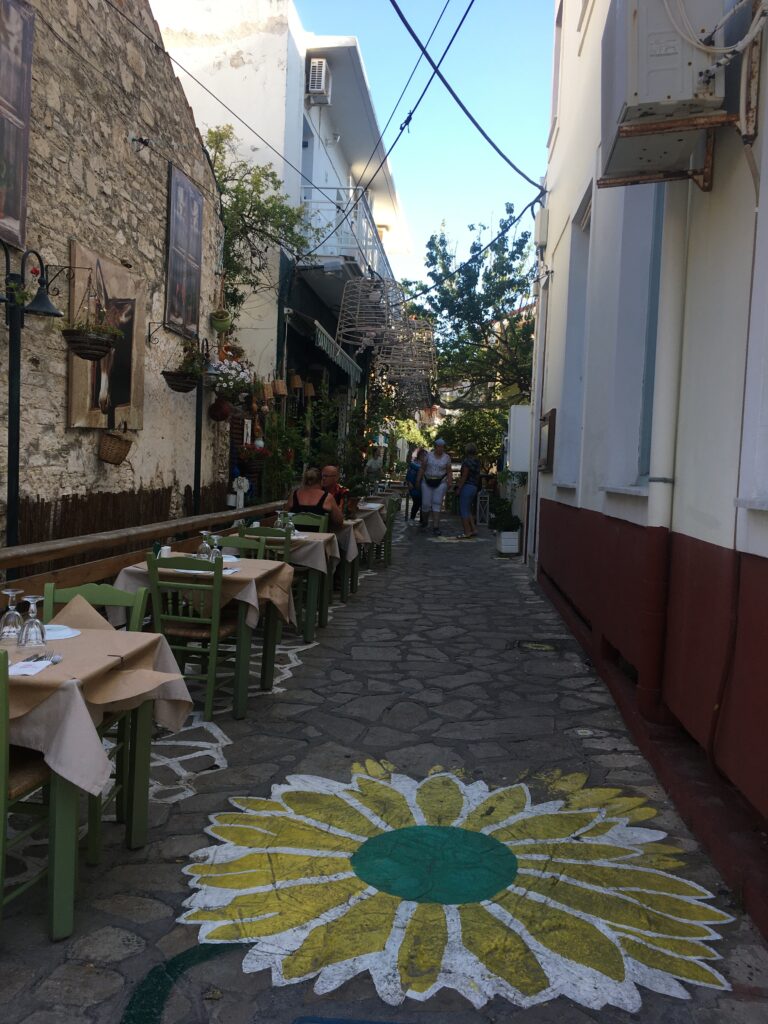
Samos offers an exceptional culinary journey, steeped in the traditions of Greek food and brimming with fresh, local flavors. The island’s gastronomy shines with a focus on sun-drenched produce, just-caught seafood, and, of course, its world-renowned sweet Muscat wine. For the most authentic experiences, venture beyond the main tourist hubs and seek out the charming, family-run tavernas tucked away in the smaller villages.

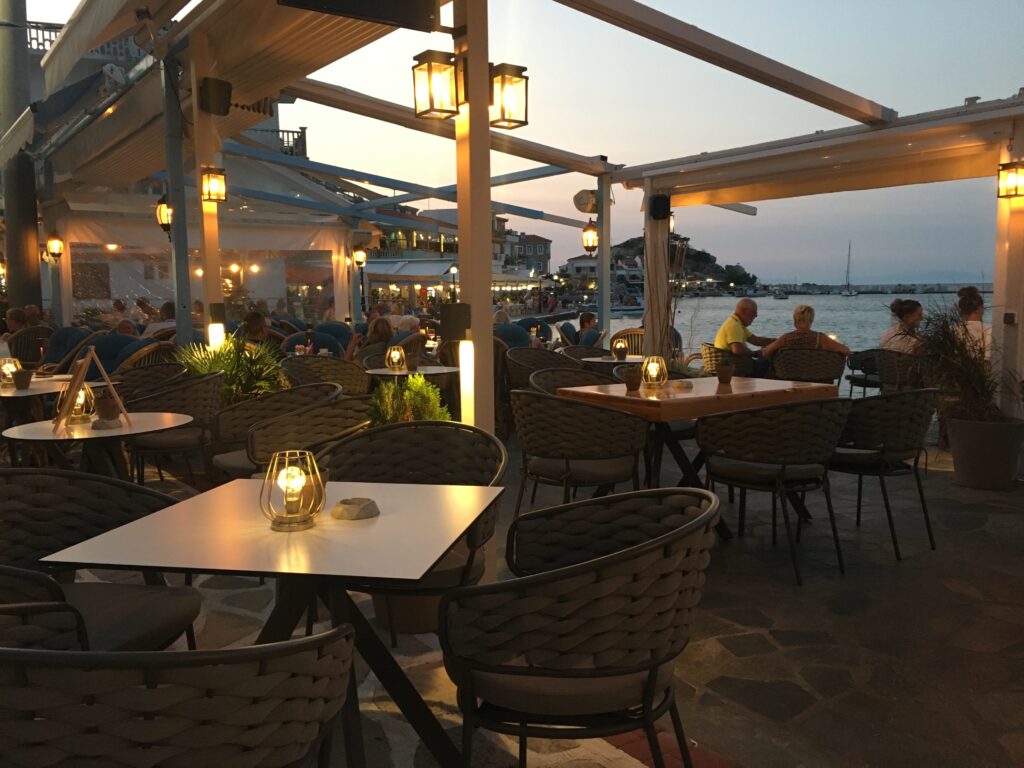
My personal favorite seaside spot in Kokkari is La Bussola. This delightful restaurant captures the essence of a Greek family meal with its warm, welcoming atmosphere. It serves delicious traditional dishes and is open daily from 11:00 AM to 11:30 PM, making it the perfect place to enjoy everything from a relaxed lunch to a late dinner by the sea.

Located right on the harbor in Pythagoreion, Sama is the new heartbeat of Samian fine dining. Chef Sotiris Giannopoulos takes local ingredients and elevates them with contemporary techniques. The creative seafood dishes and their curated cocktails infused with local botanicals.

If you want to dine with your toes practically in the water of Kokkari,  Poseidon is the place. It is widely considered to have the best seafood variety on the island. Grilled octopus and the “fish of the day” simply drizzled with local olive oil and lemon.

Tucked into Eirini Square, Pythagoreion Tigani is a local favorite and a masterclass in the ‘steakhouse-taverna’ hybrid. The vibe of the place is rustic, warm and filled with the scent of spit-roasted meats. Pair your meal with a glass of dry Samian wine – it is the perfect counterpoint to the rich, juicy meats. The other hidden gems are as follows:

Elia Restaurant (Pythagoreion): Renowned for its Mediterranean delicacies with a modern twist. The courtyard ambiance is unbeatable for a romantic dinner.

Meltemi (Kokkari): A family-run spot where the recipes have been passed down for generations. Their moussaka is legendary.

As a traveler who hunts for “soul over status,” I’ve curated the below definitive guide to stay at the best corners of the island.

WHERE TO STAY IN SAMOS

1. Pythagoreion (The Historic Hub)

It’s chic, vibrant, and perfectly located for southern exploration.

  • Casa Cook Samos: A boutique, adults-only masterpiece. It’s the gold standard for “barefoot luxury” on the island, featuring earthy tones and private swim-up pools.
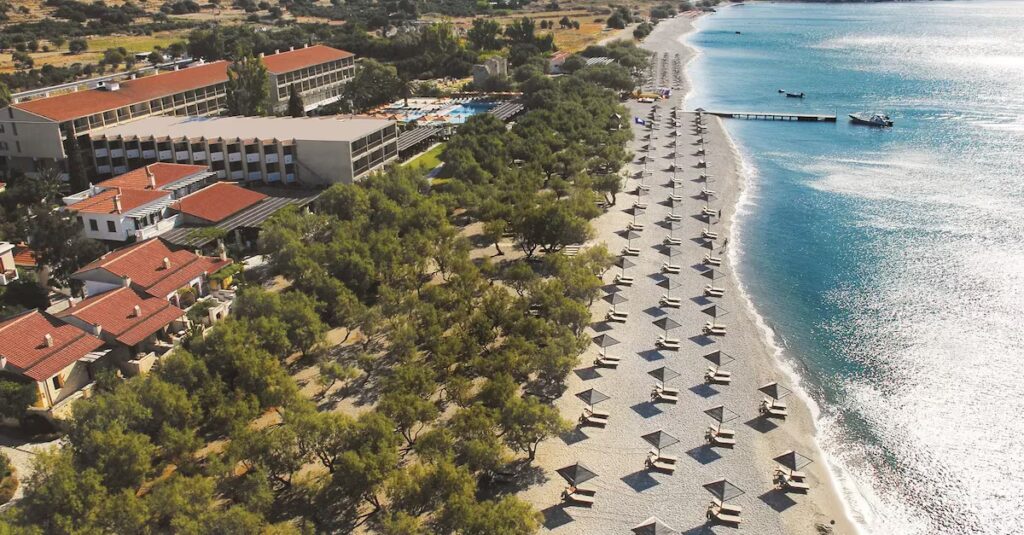
  • Doryssa Seaside Resort: Perfect for families and those who want a village feel. It actually features a “village” layout within the resort, complete with a square and a church.
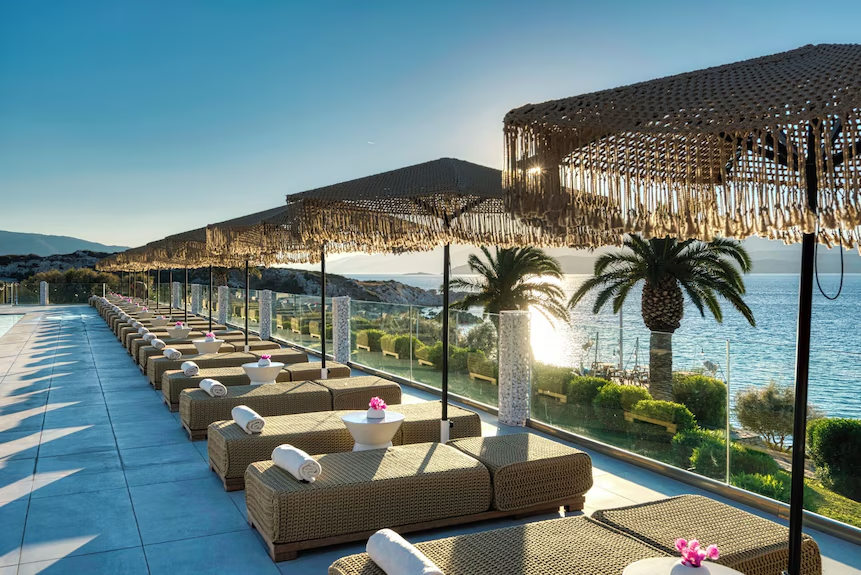
  • Proteas Blu Resort: Perched on a cove with two secluded beaches, this is the ultimate romantic getaway for couples.
Doryssa Seaside Resort-Pythagoreion
Proteas Blu Resort-Pythagoreion

2. Kokkari (The Picturesque Postcard)

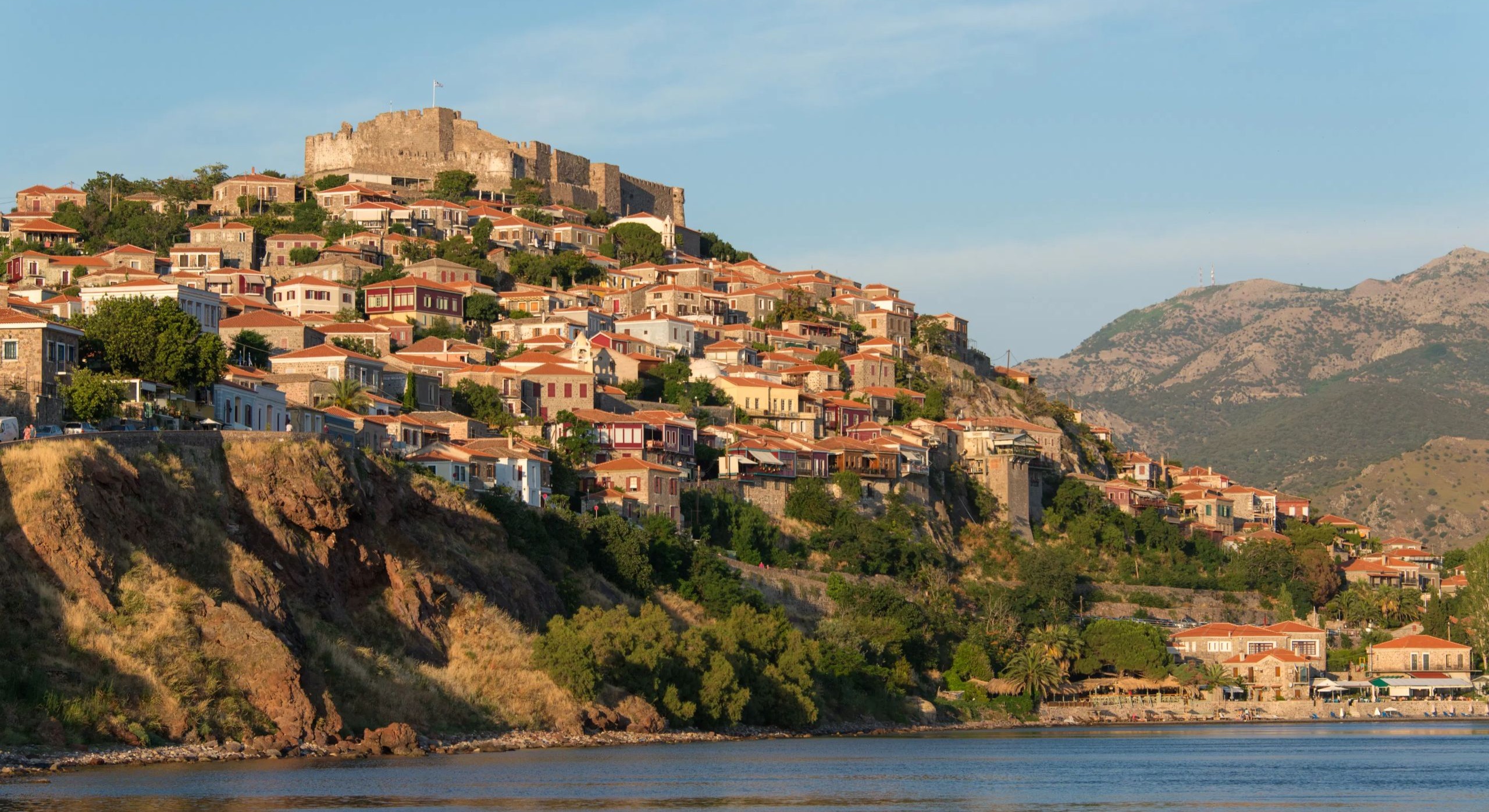
Kokkari is arguably the most beautiful village on Samos. With its pebbled beaches and colorful houses reflecting in the turquoise water, it’s a photographer’s dream.

  • Arion Hotel: Set amidst greenery just a short walk from the famous Lemonakia and Tsamadou beaches.
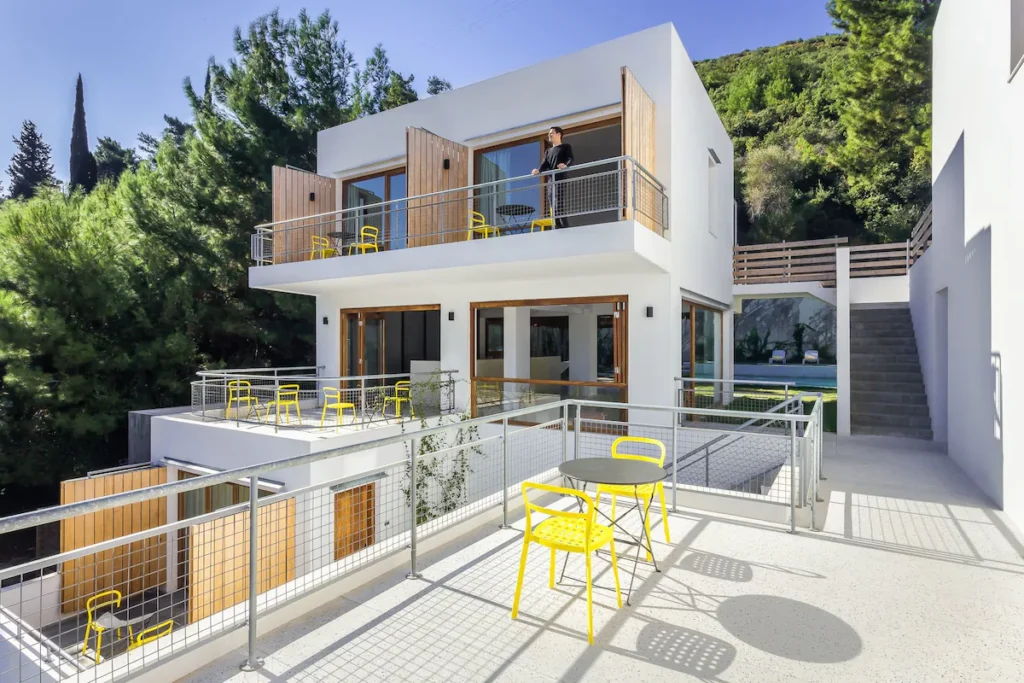
  • Semeli Boutique Hotel: A stylish, architect-designed retreat that offers an intimate, high-end experience in the heart of the village.

3. Karlovasi (The Industrial-Chic Alternative)

Located in the northwest, Karlovasi is the island’s second-largest town. It’s known for its abandoned tanneries, neoclassical mansions, and proximity to the wild “Seitania” beaches.

  • Samian Mare Hotel, Suites & Spa: A modern, 4-star choice right by the beach, offering excellent spa facilities.
  • Samaina Inn: A solid, family-friendly all-inclusive option that serves as a great base for hiking the northern trails.
Samian Mare Hotel - Karlovasi
Semeli Boutique Hotel-Kokkari

Samos is a captivating destination that rewards travelers with a raw, untamed landscape and a profound historical depth that spans millennia. Visitors are greeted by crystal-clear, pristine coastlines and an extensive web of mountain trails that beckon hikers and nature enthusiasts alike. The island’s ecological diversity is truly remarkable; the local wetlands serve as a vital sanctuary for migratory birds, including the iconic Pink Flamingo, while the secluded shores of Seitania provide a rare refuge for the Mediterranean monk seal. Even out at sea, lucky voyagers often find themselves accompanied by playful schools of dolphins.

Beyond its natural wonders, the island boasts a sophisticated contemporary culture that thrives year-round. A quick digital search reveals a bustling calendar of art exhibitions, independent film screenings hosted by the local Cinema Club, and evocative theatrical works from the island’s Drama Society. Whether you are visiting for a scientific symposium, a high-energy athletic competition, or the beloved local wine and soup festivals, there is always a sense of celebration in the air. While summer is the peak season for festivities, a glance at the Samiot local calendars will reveal traditional events and village celebrations that offer an authentic glimpse into the island’s enduring spirit, regardless of when you arrive.

Discovering the magic of Samos is about more than just finding a beautiful beach; it is about immersing yourself in an Aegean island that balances ancient history with a vibrant, modern soul. Samos remains one of the most multifaceted gems of the North Aegean. Make sure to bookmark this travel guide for your 2026 Mediterranean vacation and stay tuned for more insider tips on the hidden corners of Greece. If you found these insights helpful, don’t forget to share this post with your fellow travelers and let me know in the comments which Samian tradition you are most excited to experience firsthand!