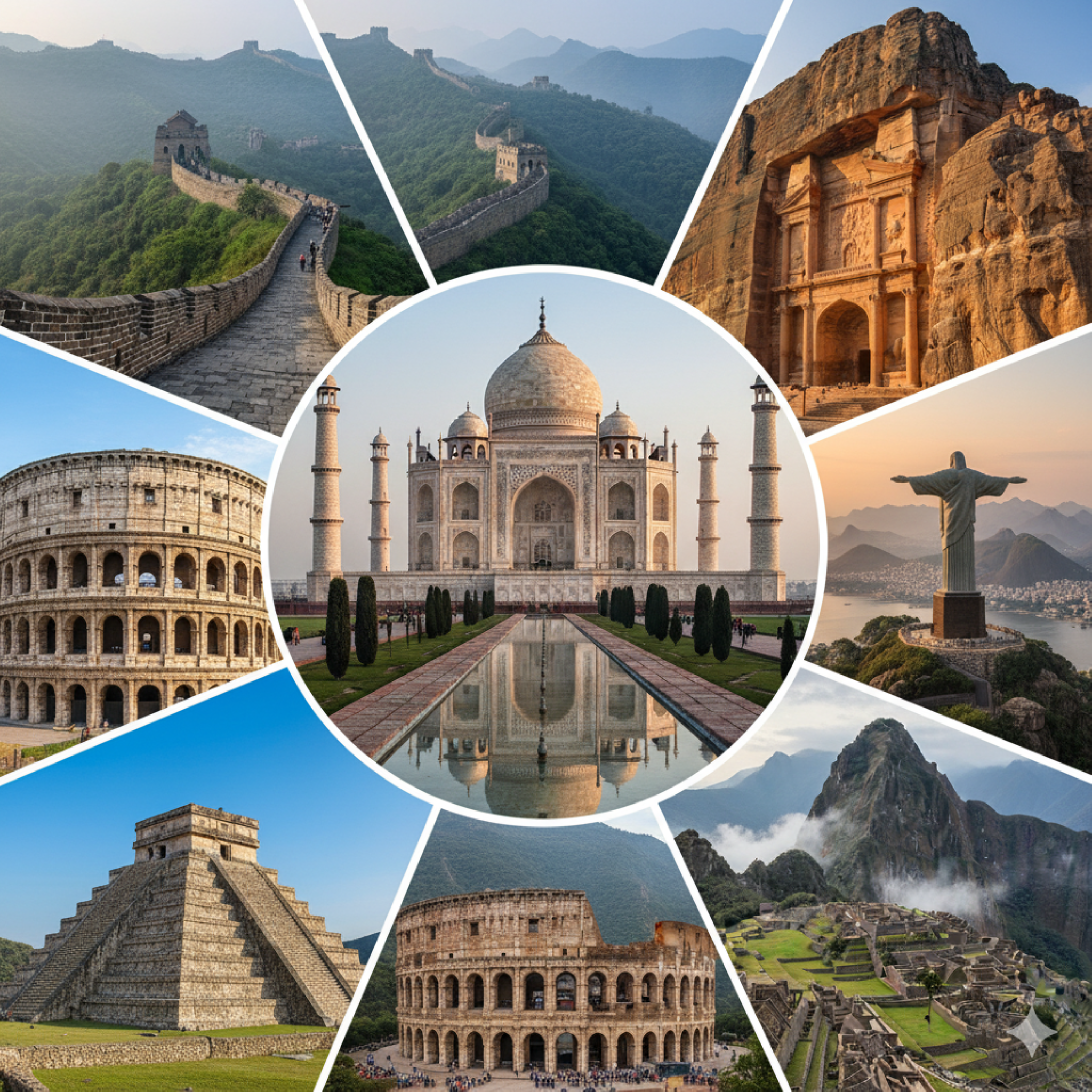
Traveling is more than just a break from work; it’s a powerful tool for improving our mental and emotional health. By immersing ourselves in new environments, we’re not just seeing new sights—we’re engaging our brains in ways that promote personal growth, reduce stress, and enhance our overall well-being.
Reduced Stress and Improved Mood: The Neuroscience Behind a Vacation
Have you ever noticed that the feeling of relaxation starts even before your trip does? The anticipation of a trip itself can be a mood booster. This isn’t just a feeling; it’s a biological process. A study published in the journal Applied Research in Quality of Life found that the highest spike in happiness for travelers comes during the planning phase. This is likely because the act of choosing a destination and an itinerary activates our brain’s reward system, releasing dopamine—the “feel-good” neurotransmitter.
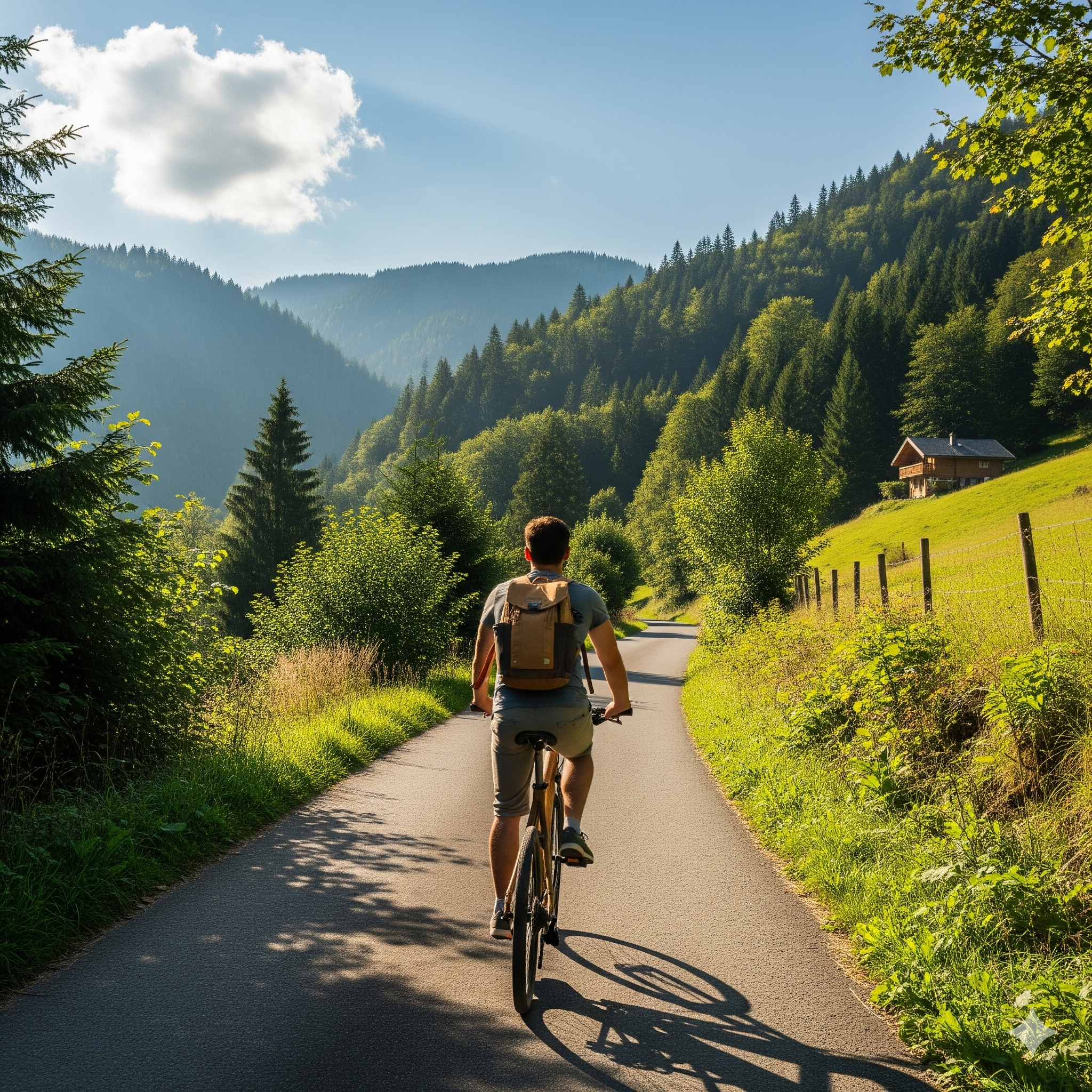
Once you’re on the road, the benefits continue. Stepping away from your daily grind lowers levels of cortisol, the stress hormone. This is especially true when you’re in a natural setting. Think about the feeling of hiking through a forest or walking along a beach; this is a form of “nature therapy” that research has shown can reduce stress, improve attention, and even lower blood pressure. A study in the Journal of Environmental Psychology found that people who spent time in nature showed reduced rumination (repetitive negative thoughts) and increased positive emotions.
Enhanced Creativity and Problem-Solving: The Power of New Perspectives
Your brain loves novelty. When you’re in a new place, your mind is constantly taking in new information, from the scent of spices in a foreign market to the sound of an unfamiliar language. This constant sensory input forces your brain to create new neural pathways, which can lead to a more flexible and creative way of thinking. This is known as cognitive flexibility.
For example, imagine a writer who is experiencing a creative block. By traveling to a bustling city they’ve never been to, they might find inspiration in the everyday chaos, the unique architecture, or a conversation with a stranger. The brain, having been jolted out of its routine, starts connecting different ideas in new and interesting ways. This isn’t limited to creative fields. Business leaders often take “sabbaticals” to travel, finding that the new perspectives gained from a different culture can lead to innovative solutions for their companies.
Increased Self-Confidence and Resilience: Navigating the Unexpected
Travel is full of small, manageable crises. A delayed flight, a lost reservation, or a miscommunication with a taxi driver are all moments that test your ability to adapt and problem-solve. When you successfully navigate these challenges, you’re building a powerful sense of self-efficacy—the belief in your ability to succeed.
Think about a solo traveler who, after getting lost in a foreign city, has to ask for directions with only a few words of the local language. When they finally find their way, that small victory is a powerful confidence boost. These experiences teach you that you are capable of handling the unexpected, which translates into more confidence in your everyday life. You’ll likely find yourself less intimidated by new challenges at work or in your personal life because you’ve already proven to yourself that you can thrive outside of your comfort zone.
Fostering Connection and Empathy: Breaking Down Barriers
One of the most profound psychological benefits of travel is its ability to build empathy. When you sit down for a meal with a local family or volunteer on a community project abroad, you’re not just a tourist—you’re a participant in a new culture. This direct, personal interaction helps to dismantle stereotypes and allows you to see the world from another person’s perspective.
For example, a student who travels to a rural village and helps with a clean water project might gain a deeper understanding of the daily struggles of people in that region. This isn’t something you can learn from a textbook. It’s an experience that humanizes others and builds a sense of shared humanity, fostering connections that can last a lifetime and encouraging a more compassionate worldview.