Halloween:A Celtic Festival Indeed
How Halloween – with its witches, pumpkins and candy – has become a worldwide event. The global rise of Halloween is a fascinating journey that combines acient pagan rites, religious traditions, and, of course, a little bit of American pop culture magic!
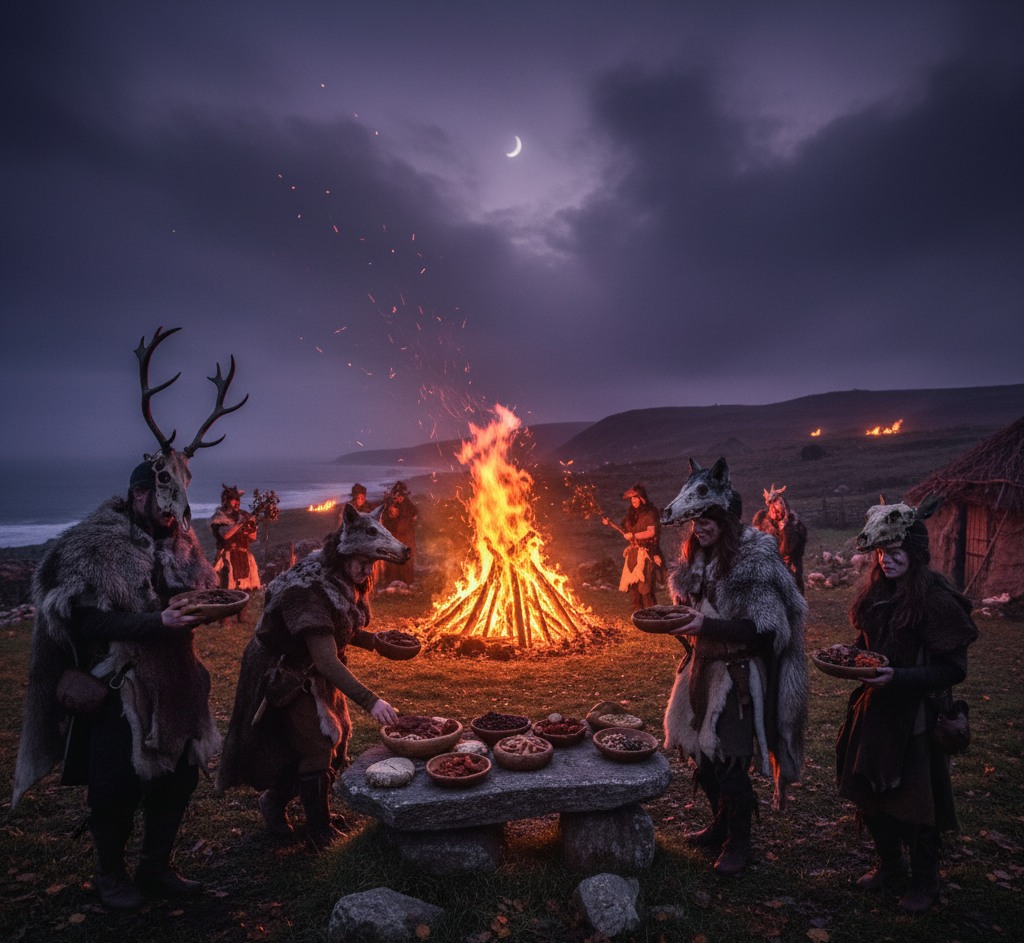
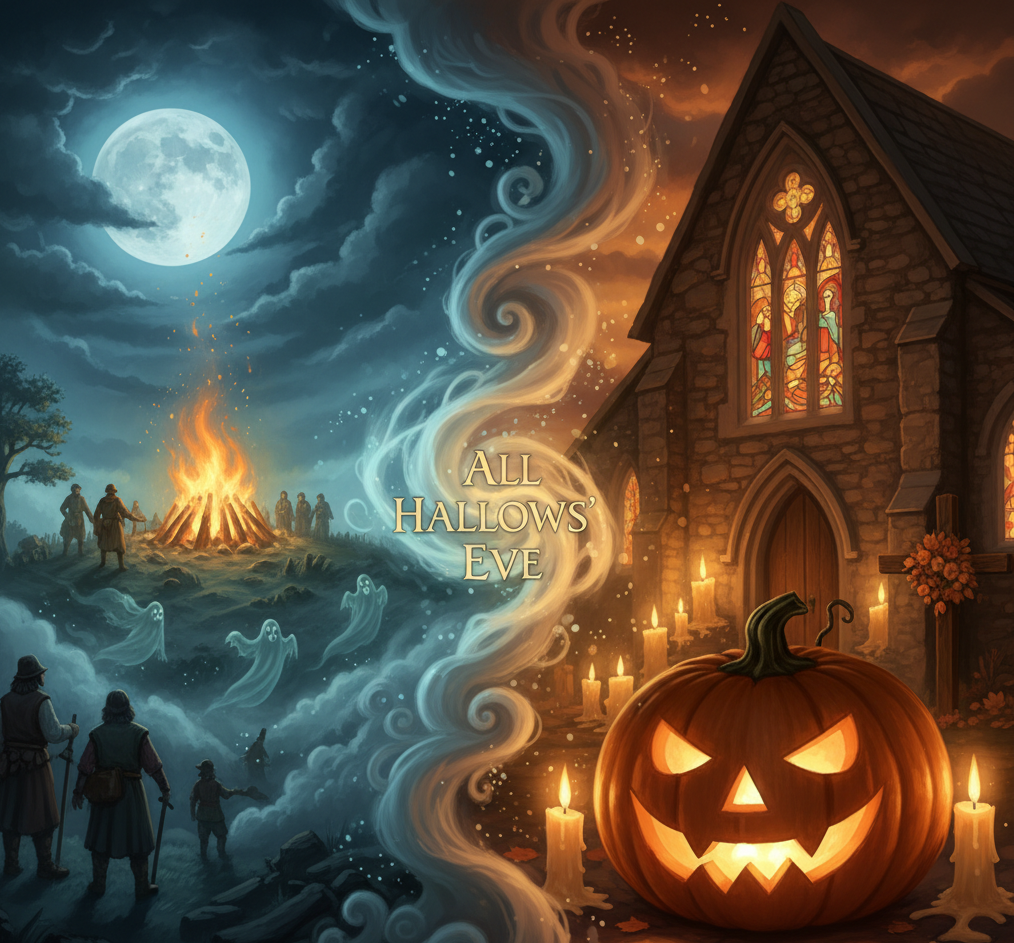
The story begins over 2,000 years ago with the Celts, who primarily lived in the region that is now Ireland, the UK, and northern France. They celebrated Samhain (pronounced sow-in), marking the end of summer and the harvest, and the beginning of the dark, cold winter—a time historically associated with death. The Celts believed that on the night before the new year (October 31st), the boundary between the worlds of the living and the dead became blurred, allowing spirits to return to earth. To ward off or confuse these roaming ghosts, people would light bonfires, offer food, and wear simple costumes (often made of animal skins and heads)
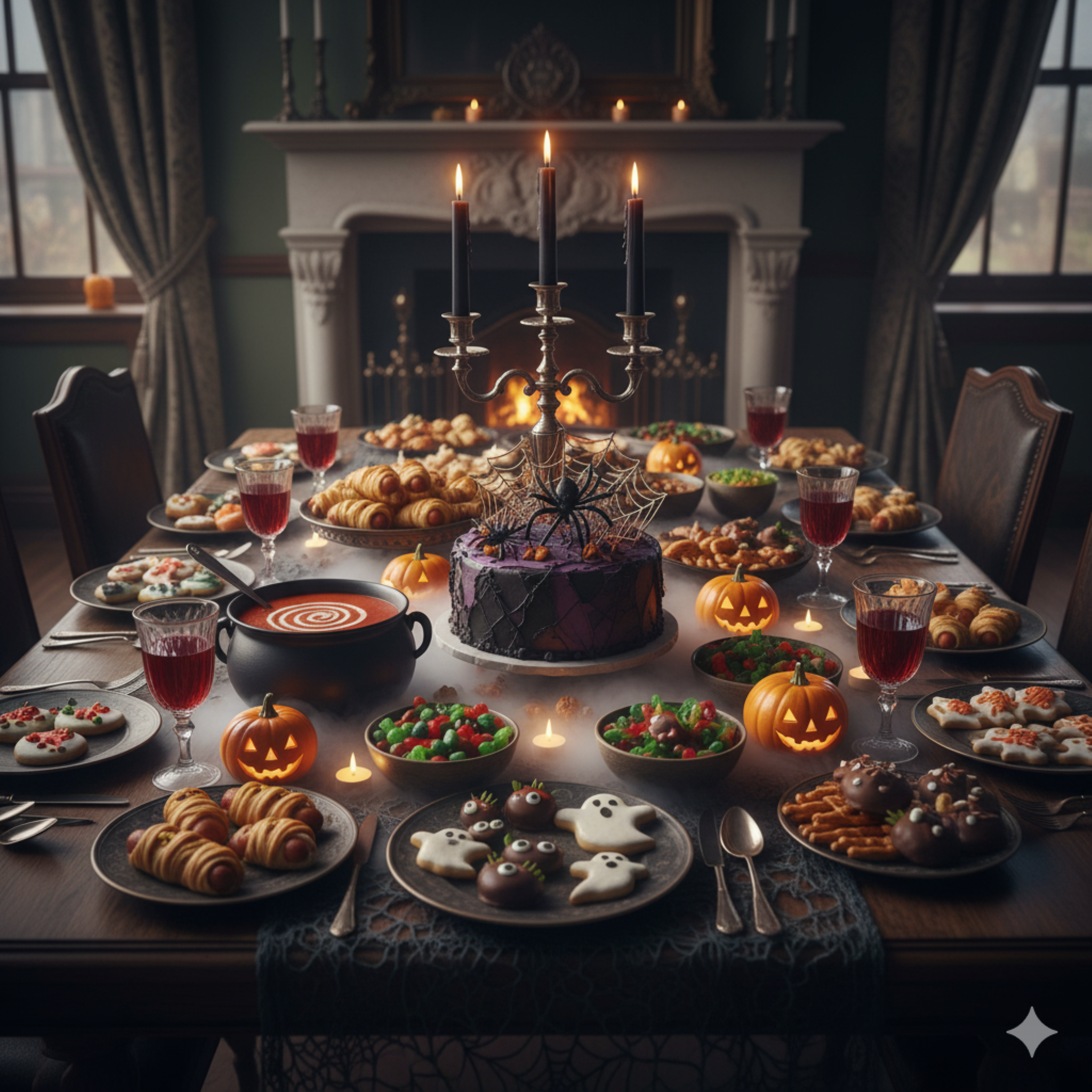
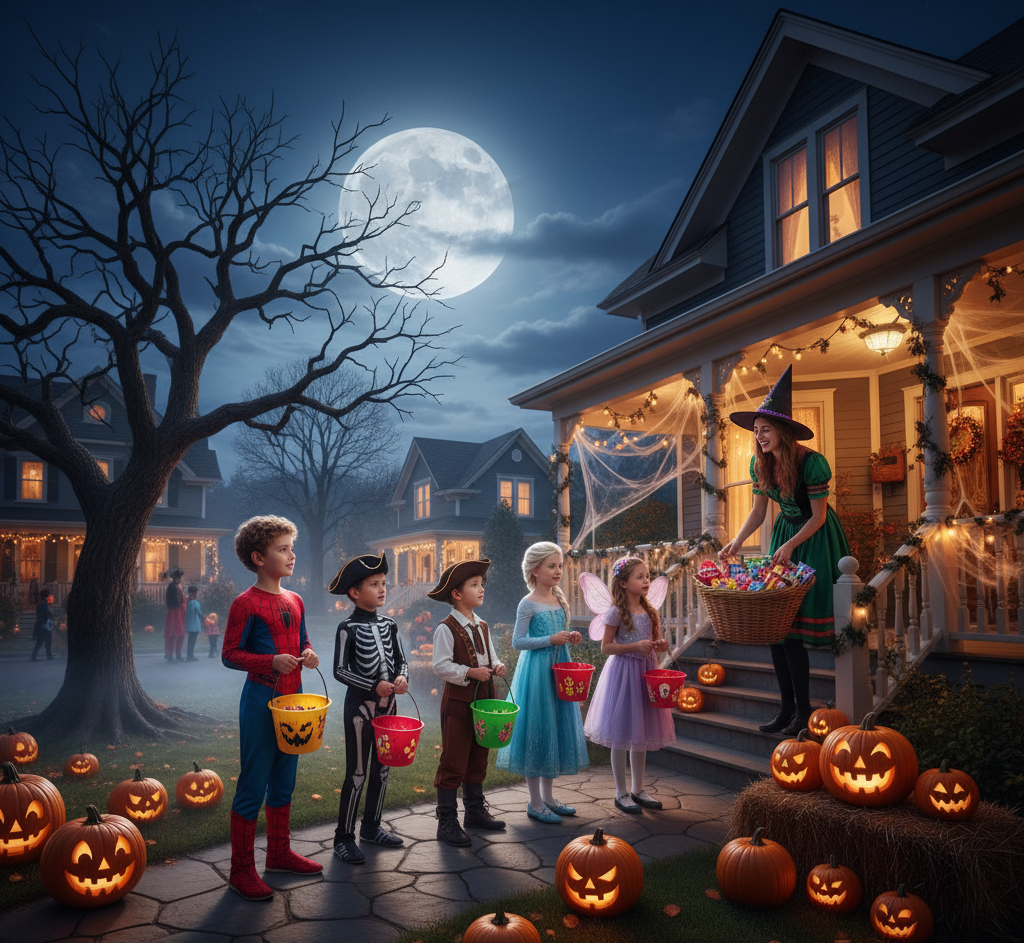
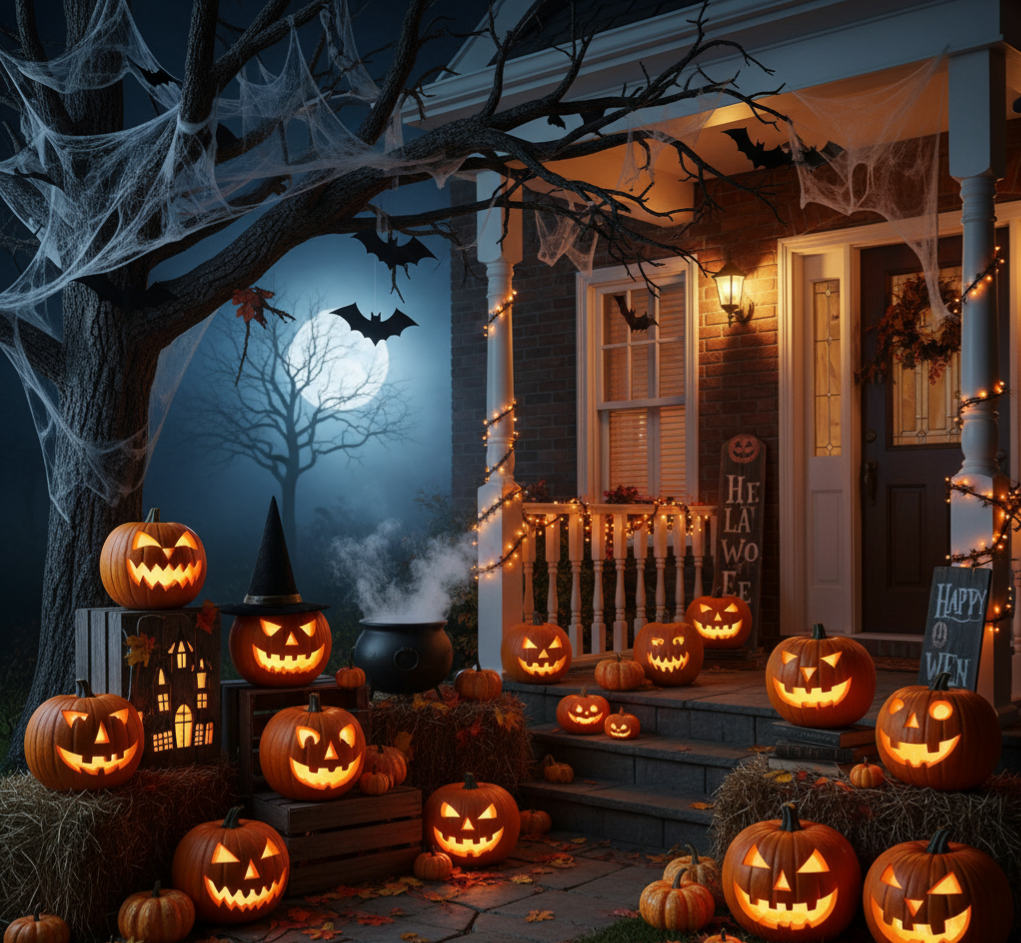
The late 20th and early 21st centuries saw the American version of Halloween explode globally, driven by American movies and TV shows exporting the image of costumed kids, haunted houses, and pumpkin patches to the rest of the world. Candy companies, costume manufacturers, and major retailers saw a massive opportunity for an autumn spending holiday. Instagram and other platforms turned the elaborate costume (or “cosplay”) into a viral, competitive art form, fueling participation in major cities worldwide.
It is important to remember that many cultures had their own ancient, similar traditions long before the American Halloween arrived.
In Mexico and Latin America, Día de los Muertos (Day of The Dead) is celebrated between Oct 31st – Nov 2nd. It is a vibrant, celebratory way to honor deceased loved ones with colorful altars, music and favorite foods.
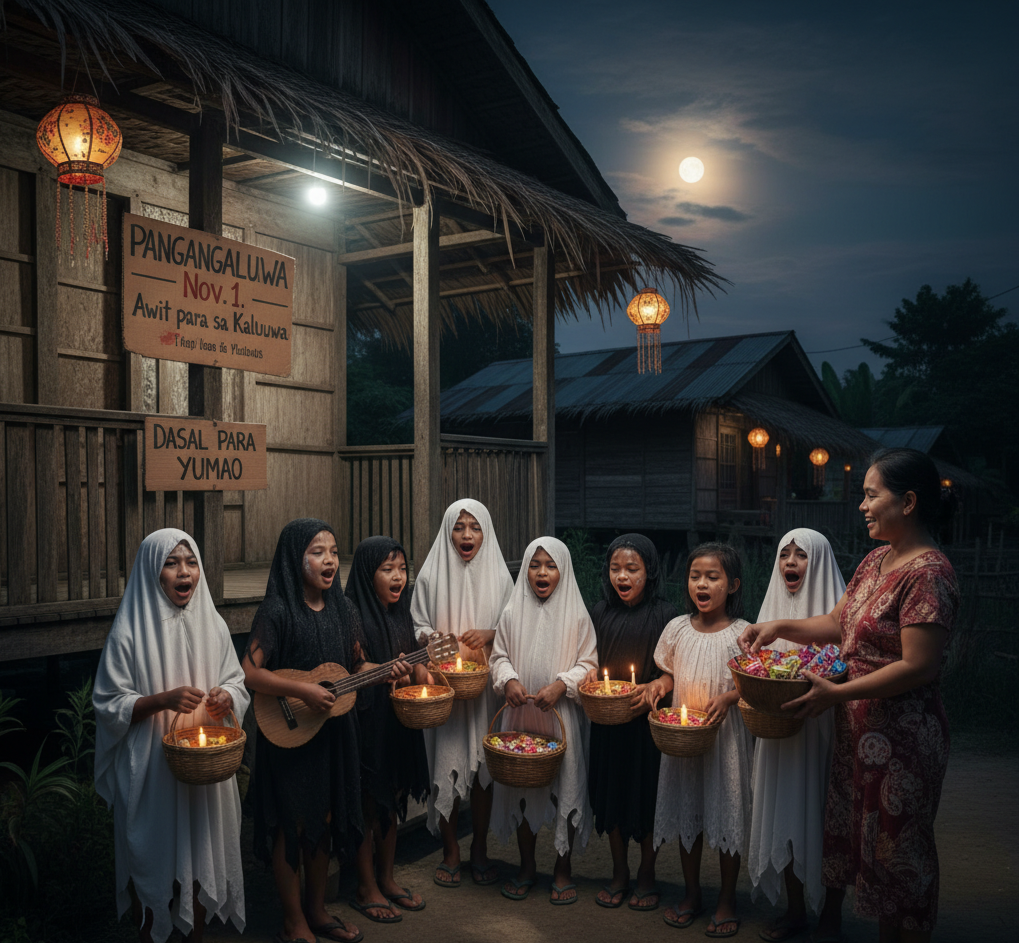
In Philippines, Pangangaluluwa is celebrated usually on October 31, the day before the “Day of the Dead” also known as All Saints Day. Children dress as ghosts (souls in purgatory) and sing for treats, asking for prayers for the dead. In Quezon (a province in Philippines) pangangaluluwa is often observed from October 27 to 28. It was usually held on November 1 after families have returned to their houses from their cemetery visits and this dying tradition was revived by the local tourism council in 2005 as an annual fundraising for the local government’s belen festival in December and the development of the local tourism in general.
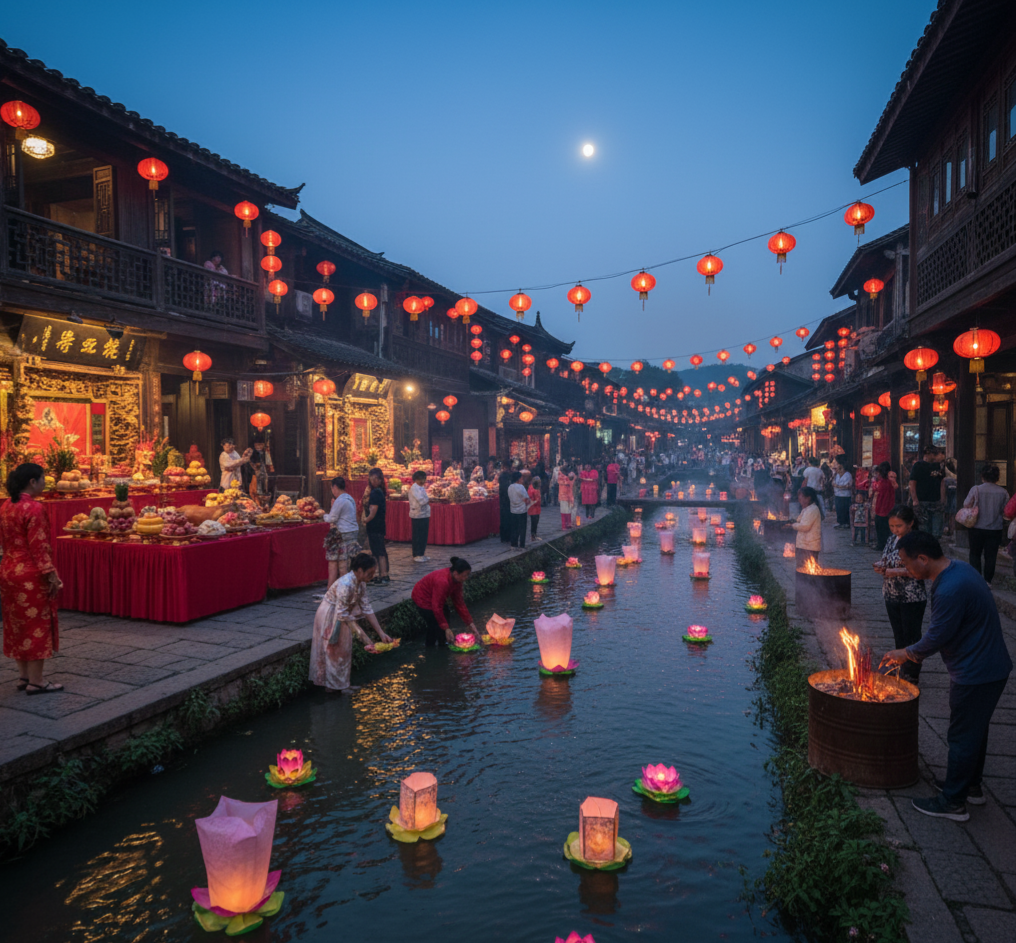
In China, Hungry Ghost Festival is celebrated in Mid-July based on the solar calendar. Offering food and lighting lanterns are common practice to guide wandering spirits and ancestors back to the spirit world. This festival is rooted in a blend of Taoist and Buddhist traditions, emphasizing filial piety and the need to care for the deceased. Elaborate meals are prepared and set out on altars or by the roadside for both ancestors and wandering spirits. Special care is taken with offerings for the hungry ghosts, often placed on the ground or by the curb, and sometimes accompanied by an invitation to “good siblings” (a polite term for the ghosts).
Floating river lanterns often shaped like lotus flowers, are released on water. This is done to guide lost or restless spirits back to the underworld and ensure they find their way. Outdoor entertainment like Chinese opera or puppet shows are staged to entertain both the living and the spirits, with the front rows often deliberately left empty for the unseen audience.Since the spirits are believed to be roaming free, many people observe various taboos during Ghost Month, such as avoiding late-night activities, not swimming (for fear of water spirits), and avoiding major life decisions like moving house or getting married.

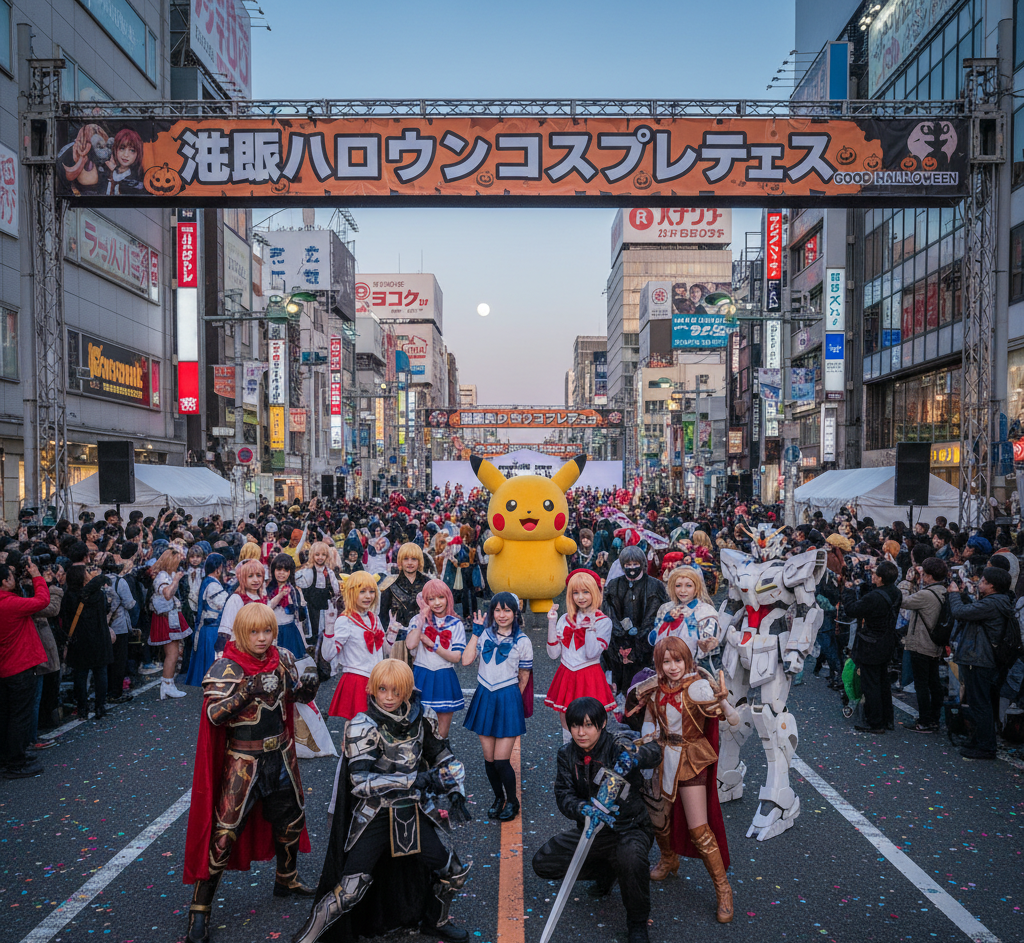
Halloween in Tokyo has evolved into a vibrant and creative fusion of activities, with a heavy focus on high-level cosplay and massive public gatherings that prioritize dressing up as characters from anime, manga, video games, and pop culture. One of the largest official celebrations is the Ikebukuro Halloween Cosplay Festival, which attracts thousands of dedicated cosplayers for parades and photo sessions. Historically, the Shibuya Scramble Crossing was the unofficial epicenter of the city’s Halloween nightlife, drawing huge, unplanned street parties of costumed adults; however, due to issues with crowds, vandalism, and public drinking, Shibuya Ward has implemented a permanent nighttime street drinking ban (6 PM to 5 AM) in key areas and actively discourages large, disorderly gatherings, with the current focus being on promoting a “good Halloween” through organized, safe activities.
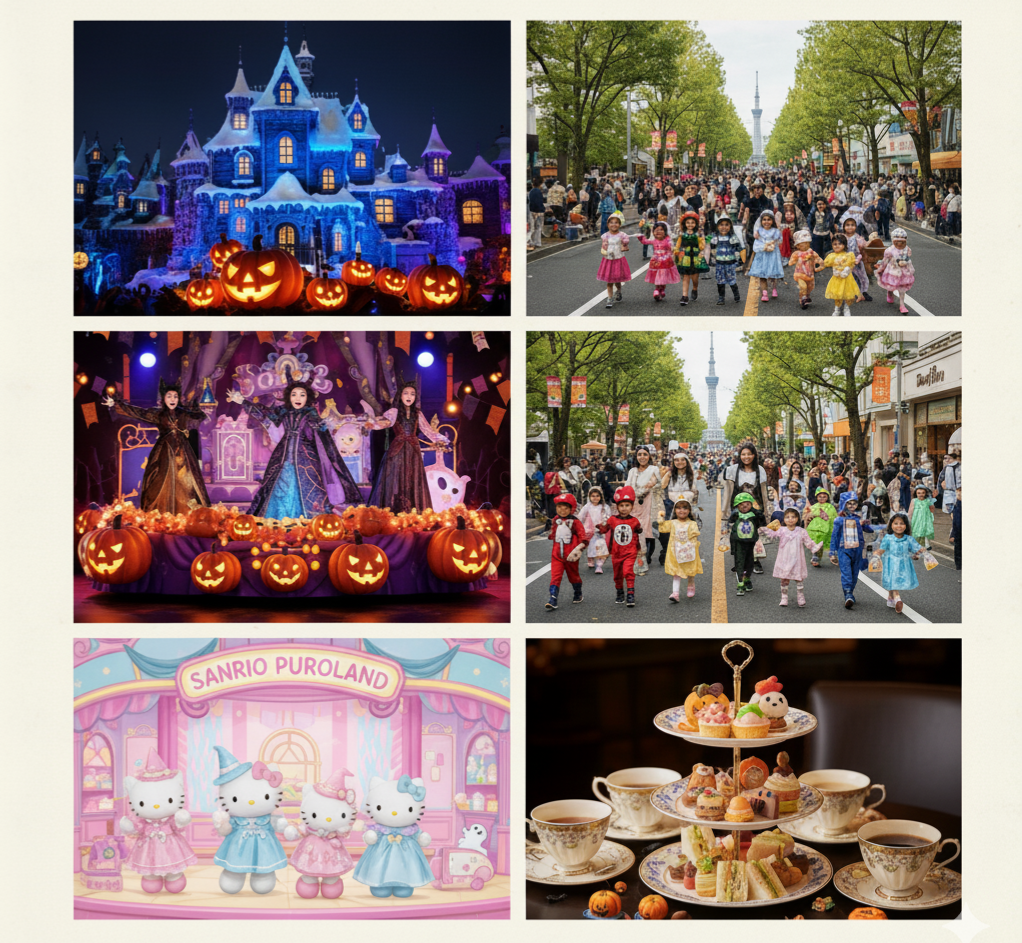
Beyond the streets, major theme parks fully embrace the holiday: Tokyo Disneyland and DisneySea host special “Disney Halloween” events with seasonal decorations, unique parades, and character costumes often featuring villains, while the popular Haunted Mansion ride is converted to a Nightmare Before Christmas theme; simultaneously, Sanrio Puroland offers a cuter, less frightening experience with its “PuroHalloween” events. Furthermore, Tokyo provides ample family-friendly and local activities, including parades such as the Harajuku Omotesando Hello Halloween Pumpkin Parade (for children 12 and under) and events at Tokyo Skytree Town where children can parade in costume. While traditional door-to-door trick-or-treating is rare, many commercial centers and communities organize “candy rallies” or designated trick-or-treating events at participating stores, and numerous hotels and restaurants offer elaborately decorated, limited-time Halloween-themed afternoon teas, buffets, and seasonal sweets.
Today, modern Halloween celebrations often exist right alongside these older, more solemn cultural events. Whether it’s a massive, fashion-forward parade in Tokyo or children asking for bread and nuts in Portugal, the spooky season is a beautiful example of how traditions travel, evolve, and ultimately bring people together—even if the way they celebrate death, life, and the changing seasons is delightfully different!