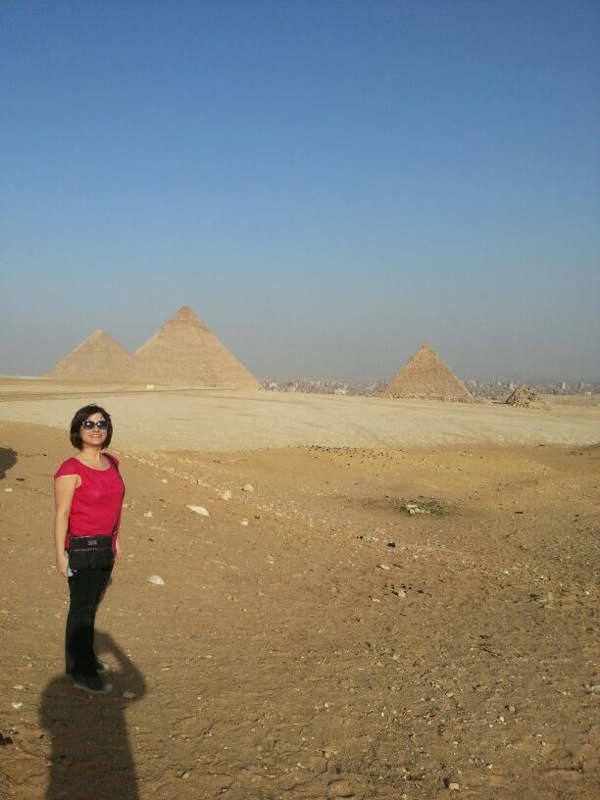
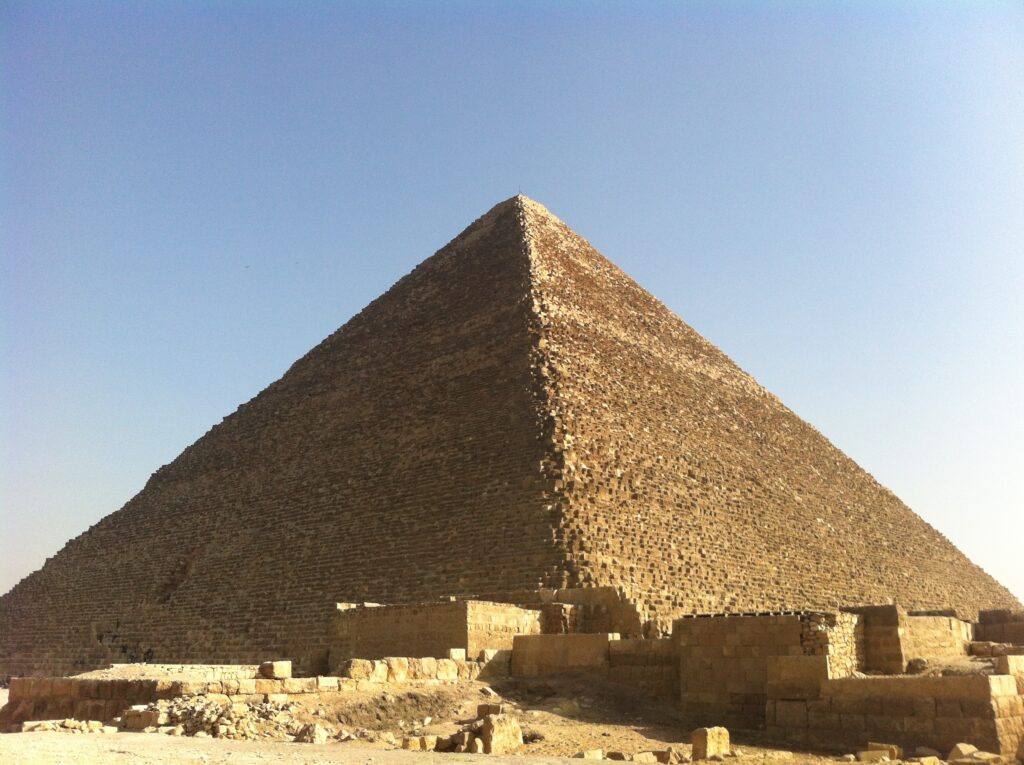
Visiting Cairo and Giza is an absolute whirlwind—a captivating journey through time that leaves every traveler breathless. From the moment you arrive in Egypt, the vibrant energy is palpable. No Cairo itinerary is complete without a stop at the Pyramids of Giza, and while you’ve likely seen the photos, nothing prepares you for the sheer scale of these ancient wonders of the world. Standing at the foot of the Great Pyramid of Khufu (Cheops), you feel a spiritual connection to the past. The mystery of how these colossal structures were built with such precision thousands of years ago remains one of history’s greatest enigmas. For those planning a trip to Egypt, standing where the Pharaohs once stood is a truly humbling experience.
To understand the Pyramids of Giza starts with learning about the three colossal kings who stand guard over the sands: Khufu (Cheops), Khafre (Kefren), and Menkaure (Mykerinos). They are more than just tombs; they are a dynastic statement in stone, a family legacy of monumental ambition and profound spiritual belief.
Khufu (known to the Greeks as Cheops) was the second pharaoh of the Fourth Dynasty of the Old Kingdom (c. 2580–2560 BC). His reign epitomizes the “golden age” of pyramid building, a time of immense political stability and economic resources. Very little is known about his reign beyond the construction of his monument, a fact that perhaps speaks to the overwhelming scale of the project. This is the undisputed star, the Great Pyramid of Giza, and the oldest and only one of the Seven Wonders of the Ancient World still largely intact. Originally standing at about 146 meters (481 feet) tall, it was the tallest man-made structure in the world for nearly 4,000 years. It is estimated to be built from over two million massive stone blocks, with an astonishing precision in its alignment to the cardinal points (North, South, East, West). Inside, the arrangement of chambers—the King’s Chamber, Queen’s Chamber, and an unfinished subterranean chamber—and the narrow shafts leading up from the King’s Chamber, continue to inspire theories and wonder. The King’s Chamber contains the famous granite sarcophagus, which is too large to have been moved through the passages, meaning it must have been installed during construction! This whole structure is the ultimate testament to the ancient Egyptian belief in the divinity and eternal life of the pharaoh.
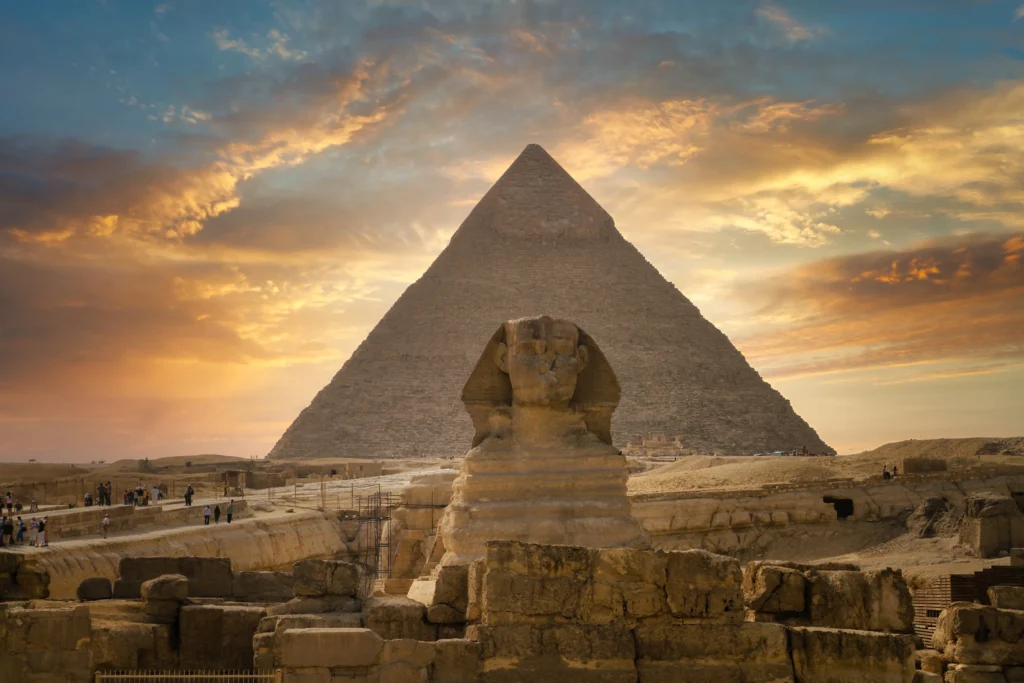
Khafre (known as Chephren in Greek) was the son of Khufu and succeeded his brother Djedefre. He ruled from approximately 2558–2532 BC. Khafre is perhaps most famous today because he is universally credited as the face of the enigmatic Great Sphinx, which guards his funerary complex. The second-largest pyramid on the plateau. While slightly shorter than his father’s, Khafre’s pyramid often appears taller because it was built on higher bedrock. The most striking feature is the smooth casing stones that still cling to the very top of the pyramid. This white Tura limestone once covered the entire structure, giving a glimpse into how all three pyramids would have looked—dazzling white and reflecting the sun. Khafre’s funerary complex is the best-preserved on the plateau. It includes a beautiful Valley Temple constructed of massive granite blocks and the famous Sphinx, which appears to be directly connected to his causeway, symbolically tying the pharaoh’s power to the lion’s strength and the god Horus.
Menkaure (Mykerinos in Greek) was the son of Khafre and the grandson of Khufu. He was the last pharaoh of the Fourth Dynasty to build a pyramid at Giza, reigning around 2532–2503 BC. Ancient Greek historian Herodotus described Menkaure as a kinder, more benevolent ruler compared to his predecessors.
The smallest of the three major pyramids, Menkaure’s pyramid stands at only about 65 meters (213 feet) tall. The reduced size is sometimes seen as a sign of waning royal resources or a shift in focus after the massive projects of his father and grandfather. Despite its smaller size, Menkaure’s pyramid spared no expense on its decoration. The lower sixteen courses of its exterior were originally clad in costly pink granite transported all the way from Aswan, a beautiful and difficult material to work with, which suggests a focus on quality and luxury over sheer volume.The Valley Temple of Menkaure was famously excavated in the early 20th century, yielding a spectacular collection of magnificent slate sculptures known as the triads and dyads, which depict the pharaoh alongside his consort and various deities, providing some of the finest examples of Old Kingdom artistry.
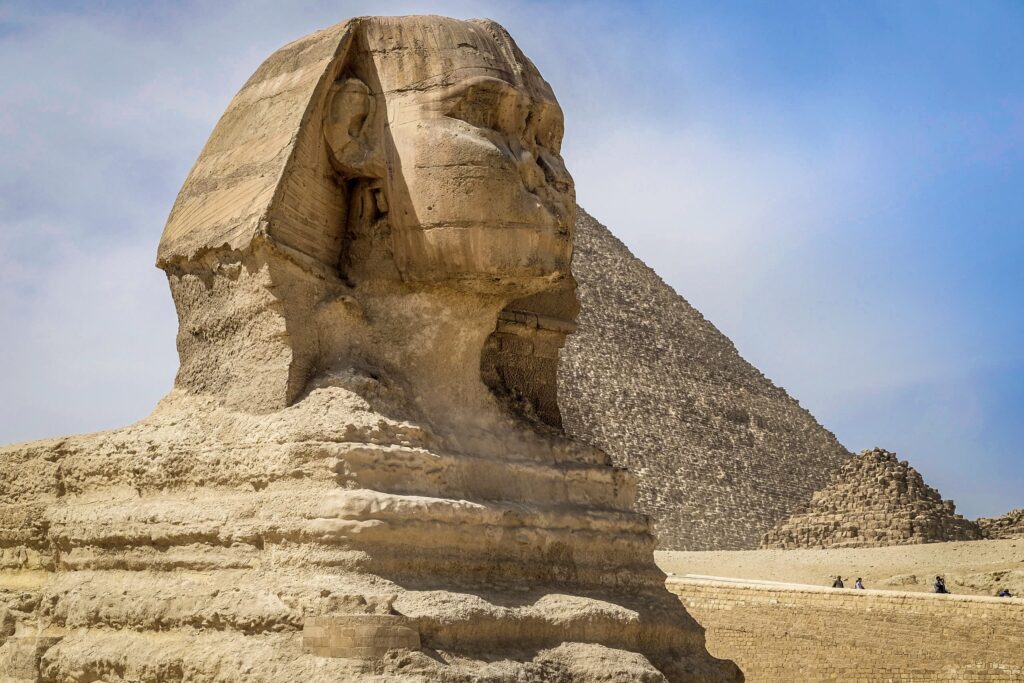
And then there’s the Sphinx.
That stoic gaze, the leonine body, the human face – it’s an icon of ancient Egypt, a guardian silently watching over the millennia. I spent ages just staring at it, trying to imagine all the history it has witnessed, all the secrets it holds. There’s a particular stillness about it, a profound wisdom etched into its weathered stone.
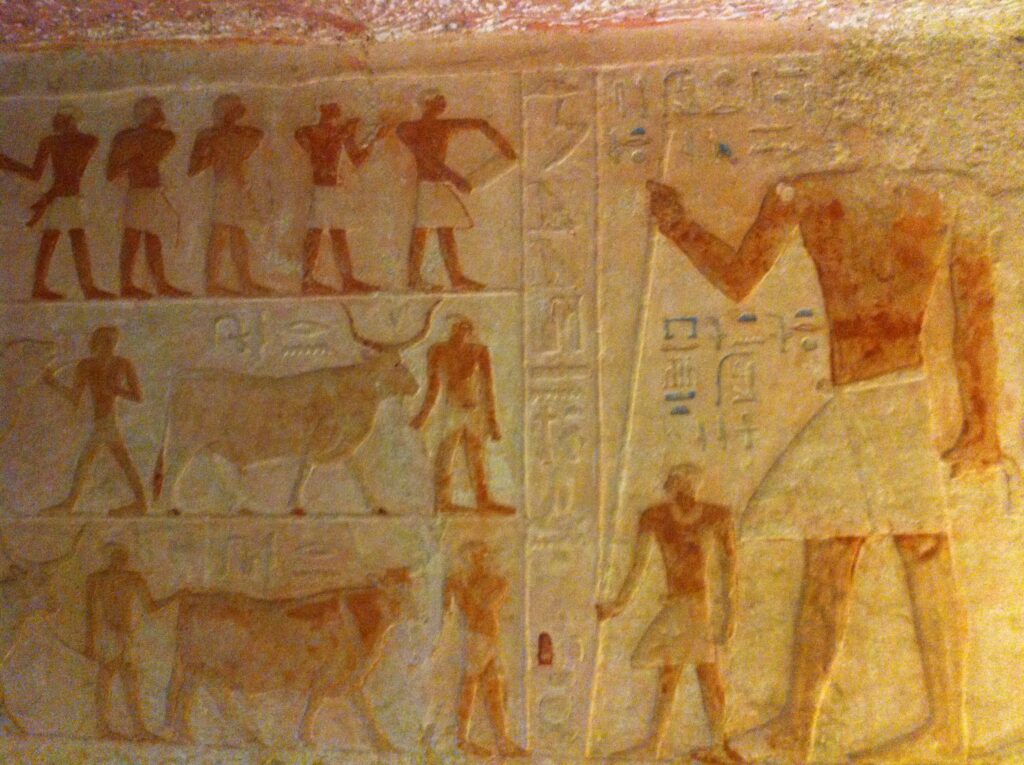
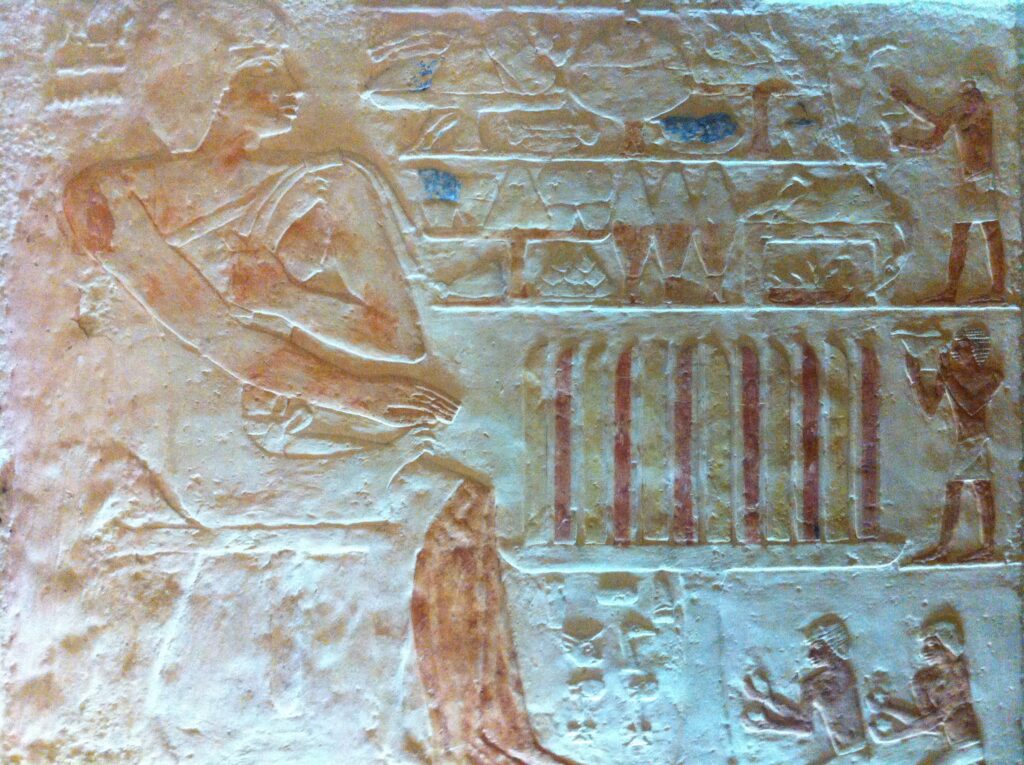
Beyond Giza, Cairo itself is a sensory explosion. The Egyptian Museum was a treasure trove of artifacts, each telling a story of a civilization that was incredibly advanced and deeply spiritual. I was particularly mesmerized by the artifacts from Tutankhamun’s tomb. To see such intricate craftsmanship, so beautifully preserved, is a testament to the ancient Egyptians’ belief in the afterlife and their profound reverence for their pharaohs. The gold, the jewels, the incredible detail – it’s not just wealth, it’s a tangible connection to their beliefs and their journey into the unknown.
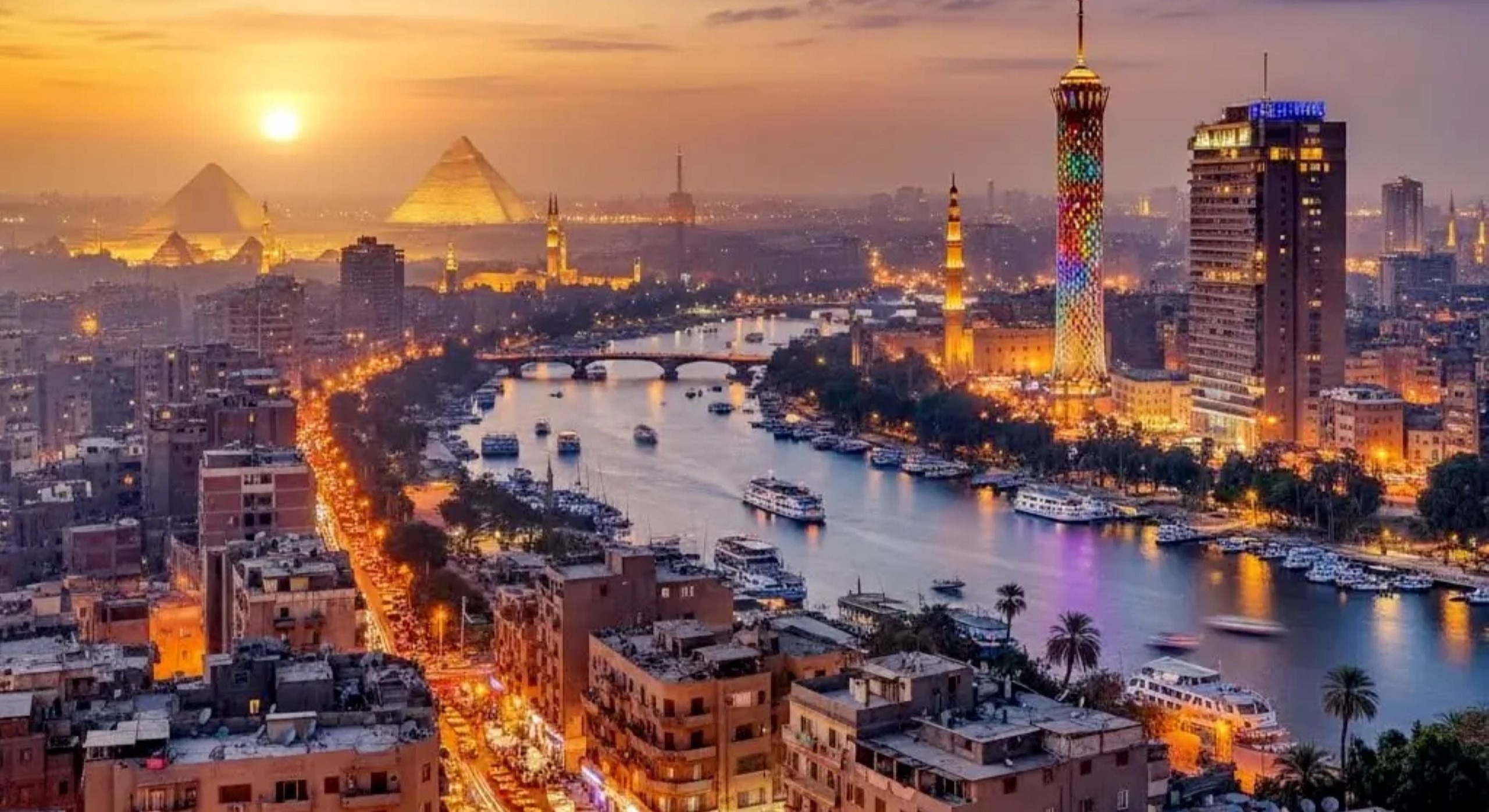
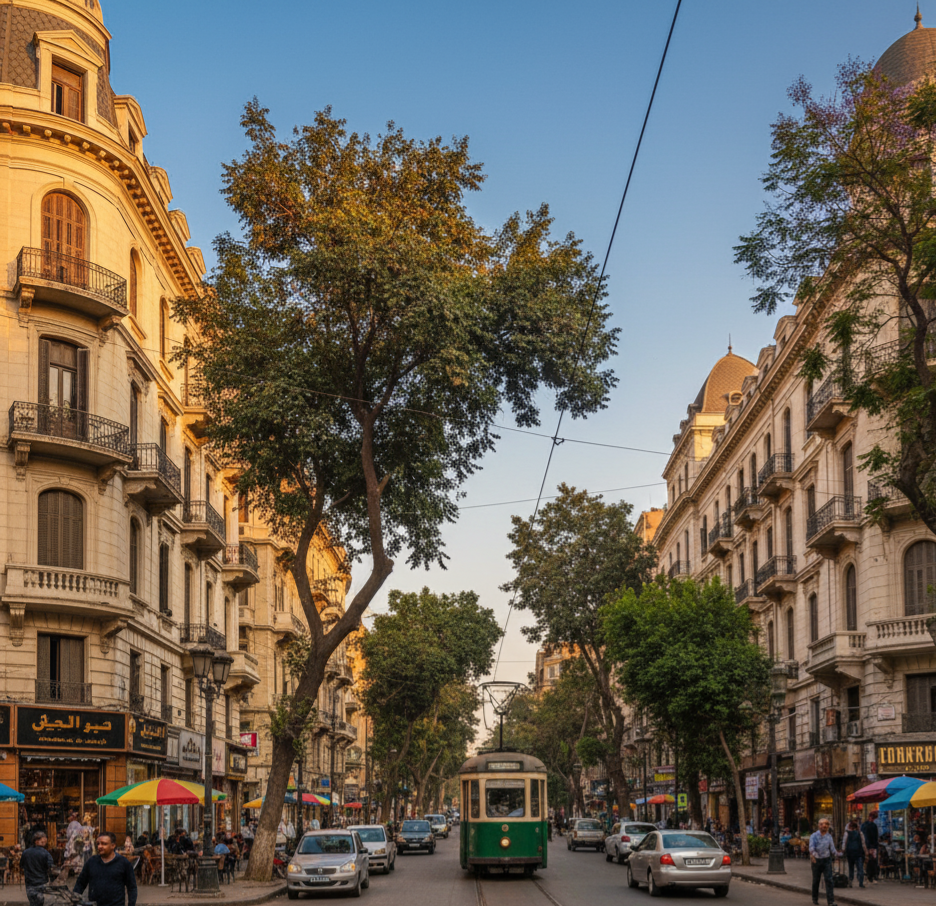
Beyond the iconic landmarks, what truly enriched my experience was delving into the daily rhythms of Cairo. One morning, I ventured into Islamic Cairo, a labyrinth of narrow streets, medieval mosques, and historic buildings. The Citadel of Salah al-Din, with its commanding views over the city, and the stunning Mosque of Muhammad Ali inside, were truly magnificent. The intricate domes and minarets against the backdrop of the sprawling city were a sight to behold, especially at sunset when the call to prayer echoed across the rooftops, a truly ethereal experience. This area truly transports you to a different era, where sultans and caliphs once ruled, leaving behind a legacy of architectural grandeur and deep spiritual devotion. For a taste of local life, I highly recommend exploring the vibrant Zamalek district. This island in the Nile offers a stark contrast to the historical intensity of other areas, with its tree-lined avenues, elegant buildings, and a more relaxed atmosphere. It’s home to numerous art galleries, chic boutiques, and lovely cafes. I spent a delightful afternoon people-watching from a sidewalk café, sipping on a freshly squeezed juice and simply soaking in the contemporary side of Cairo.
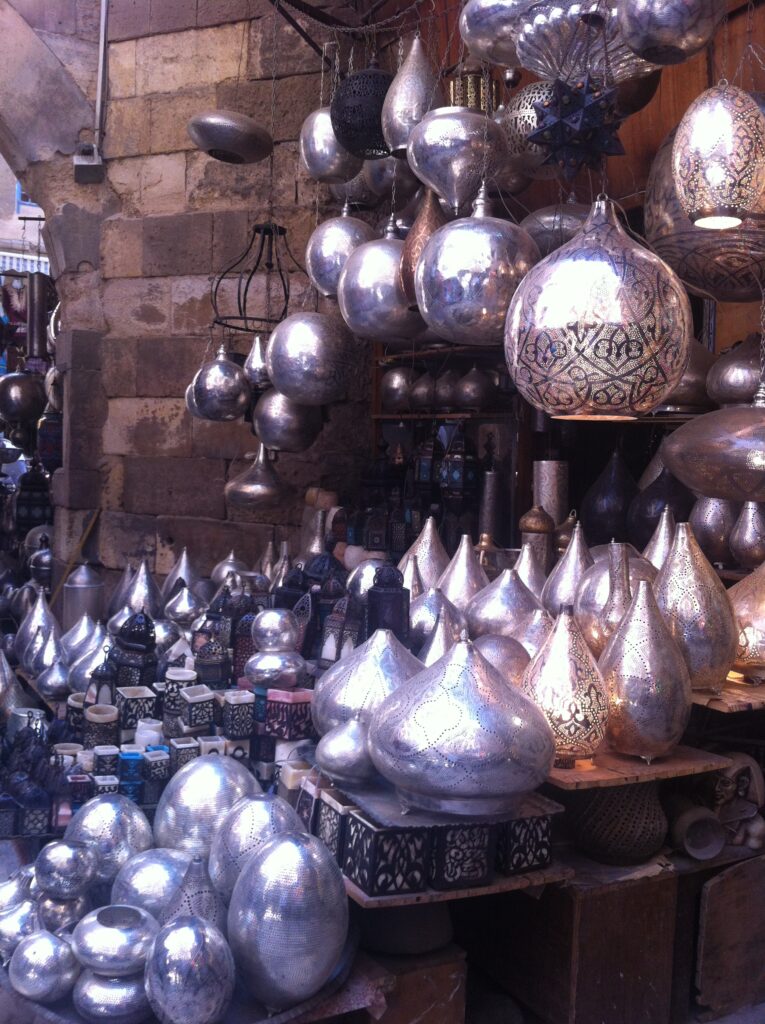
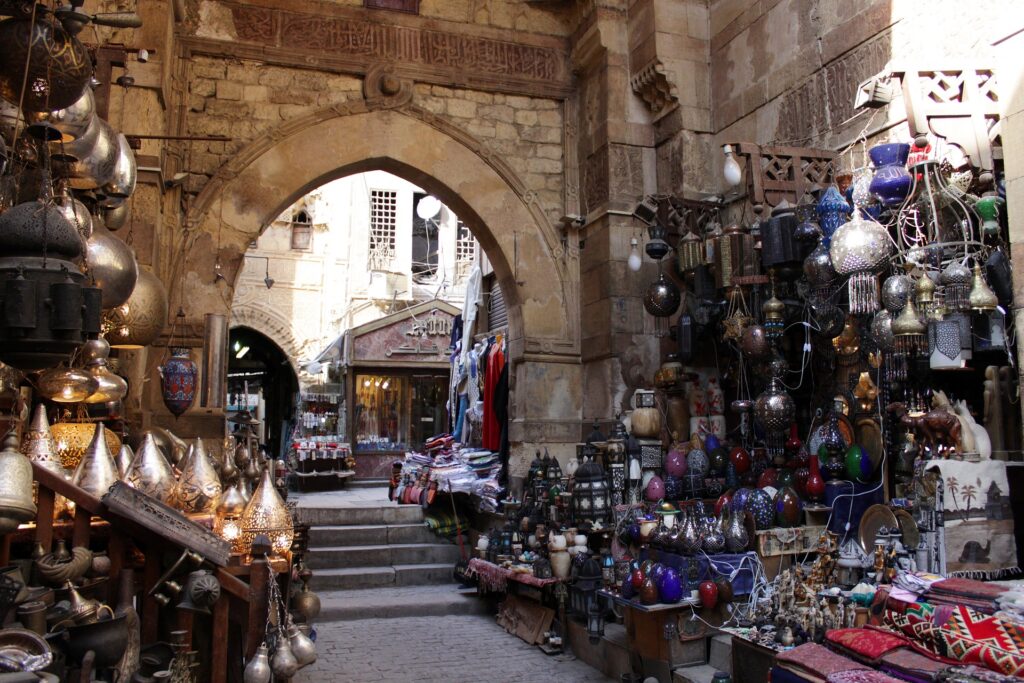
Wandering through the bustling Khan el-Khalili bazaar was an adventure in itself. The vibrant colors of spices, the intricate designs of lamps, the lively chatter of vendors – it’s a feast for the senses. I haggled for some beautiful silver jewelry and enjoyed a delicious mint tea while watching the world go by. This ancient marketplace has been a hub of commerce and culture for centuries, and you can feel that history in every narrow alleyway.
You simply can’t leave Cairo without dedicating one glorious evening to sailing the Nile on a traditional felucca, feeling the cool breeze and watching the ancient river transform into a liquid gold reflection of the setting sun.
Where to Eat in Cairo: Authentic Egyptian Cuisine
Egyptian food is a rich blend of Middle Eastern and Mediterranean flavors. For an authentic dining experience, Abou Shakra near the Pyramids is a must-visit for their famous grilled meats, specifically their lamb kofta and kabab.
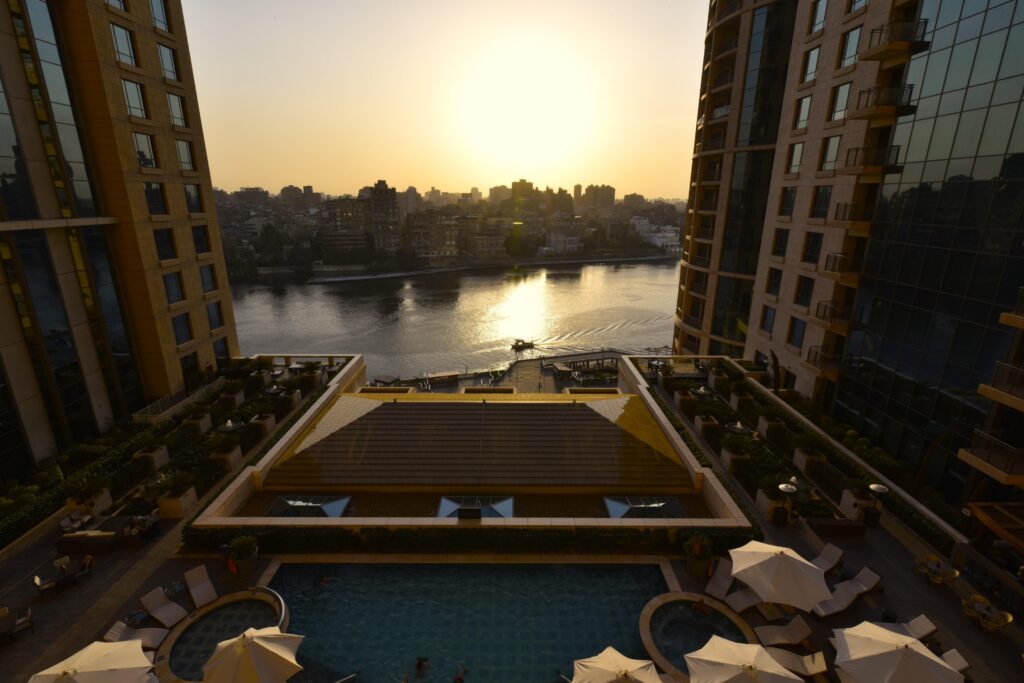
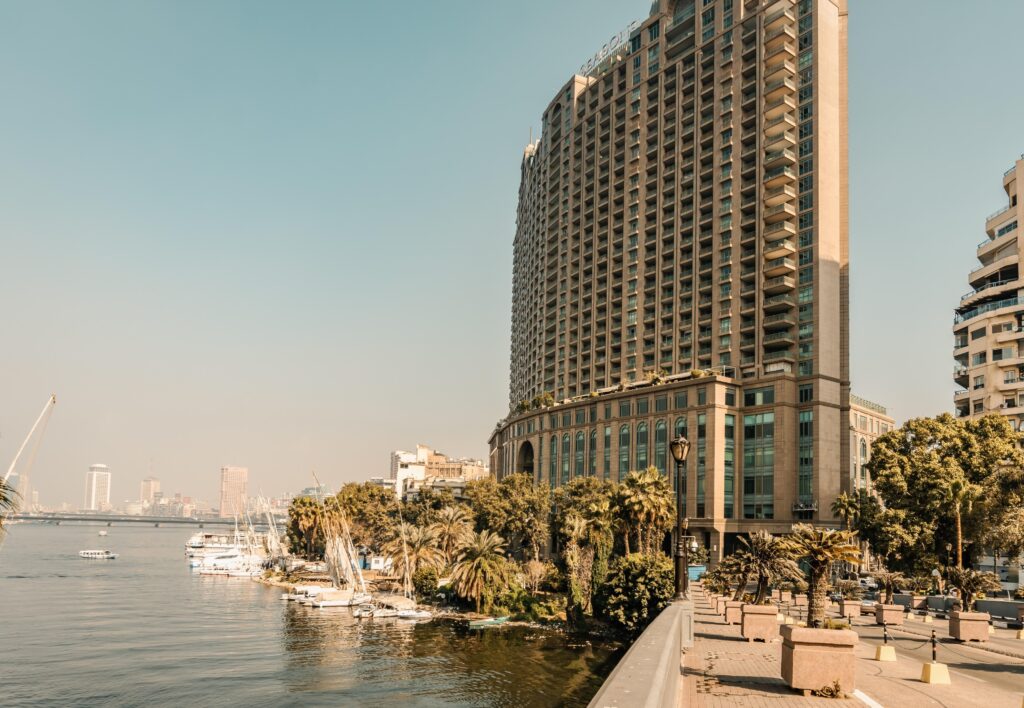
If you are exploring downtown, Felfela is a classic institution perfect for tasting traditional dishes like Ful Medames (stewed fava beans) and Ta’ameya (Egyptian falafel). For those seeking the best street food in Cairo, don’t leave without trying Koshary—a flavorful mix of rice, macaroni, lentils, and chickpeas topped with spicy tomato sauce. For an upscale evening, Seasons Restaurant at the Four Seasons Nile Plaza offers incredible Egyptian fusion with Nile views.
Best Places to Stay in Cairo and Giza
When choosing accommodation in Cairo, options range from luxury to budget. For a truly bucket-list experience, I recommend staying at a hotel in Giza with Pyramid views, such as the historic Marriott Mena House Hotel.
This historic palace-turned-hotel offers unparalleled proximity and stunning Pyramid views. If you prefer a luxurious stay in Cairo’s city center, the Four Seasons Hotel Cairo at Nile Plaza (located in the prestigious Garden City district) and The St. Regis Cairo are outstanding choices known for world-class amenities.
For travelers seeking a more boutique hotel in Cairo, I recommend exploring the leafy, cosmopolitan streets of Zamalek. Alternatively, look for unique guesthouses near Islamic Cairo for a more immersive, historic feel. Whether you want Nile River views or ancient wonders at your doorstep, Cairo has an accommodation to suit your style.
To truly enjoy the city and its vibrant community life, here are a few tips:
Embrace the chaos: Cairo is a bustling metropolis, and traffic can be intense. Don’t fight it; embrace it! Taxis and ride-sharing apps (Uber and Careem are widely used) are readily available and affordable.
Learn a few Arabic phrases: Even a simple “Shukran” (thank you) or “Sabah al-khair” (good morning) will be met with warmth and appreciation. Egyptians are incredibly hospitable.
Haggle in the souks: It’s part of the experience in places like Khan el-Khalili. Start at about half the asking price and work your way up. It’s all in good fun!
Respect local customs: Dress modestly, especially when visiting religious sites. Be mindful of public displays of affection.
Try street food (responsibly): While the aroma is tempting, choose vendors with high turnover and cooked-to-order items to ensure freshness.
Walk, explore, and get lost (a little): Some of the best discoveries are made when you simply wander. Just be sure to have a map or your phone handy to reorient yourself.
Cairo and Giza are not just places you visit; they are experiences that embed themselves in your soul. The weight of history, the warmth of the people, the vibrant energy of daily life – it all blends into a journey that challenges your perceptions and leaves you with an insatiable desire to return. I left Egypt feeling a deep sense of wonder and respect for a civilization that continues to captivate the world, and a city that beautifully balances its ancient past with its dynamic present.