

Berlin is not a city you simply visit; it is a city you experience with your eyes wide open and your heart ready to be moved. For the readers of Suzy Travels, you know I seek more than just a pretty photo op. I look for the “why” behind the walls. Berlin—a city once divided by concrete and ideology—is perhaps the greatest testament on Earth to the power of human resilience.
If you are planning a trip to the German capital, this guide will take you beyond the surface. We’re diving into the history that shaped the world and the modern “Kiez” (neighborhood) culture that makes Berlin the creative heartbeat of Europe.
Most journeys begin in Mitte, the city’s historical center. While it’s the most “touristy” area, it holds a gravity that is impossible to ignore.
The Brandenburg Gate (Brandenburger Tor)
More than just a neoclassical arch, the Brandenburg Gate is the silent witness of the 20th century. I recommend visiting at sunrise. When the first light hits the Quadriga atop the gate, you can almost hear the echoes of 1989. It is a symbol of peace that was forged in the fires of conflict.
Commissioned by King Frederick William II and completed in 1791, the gate was designed by Carl Gotthard Langhans. He took inspiration from the Propylaea of the Acropolis in Athens, intending for the gate to serve as a “Peace Gate.” It features 12 Doric columns that create five passageways—historically, the central path was strictly reserved for the royal family and their guests.
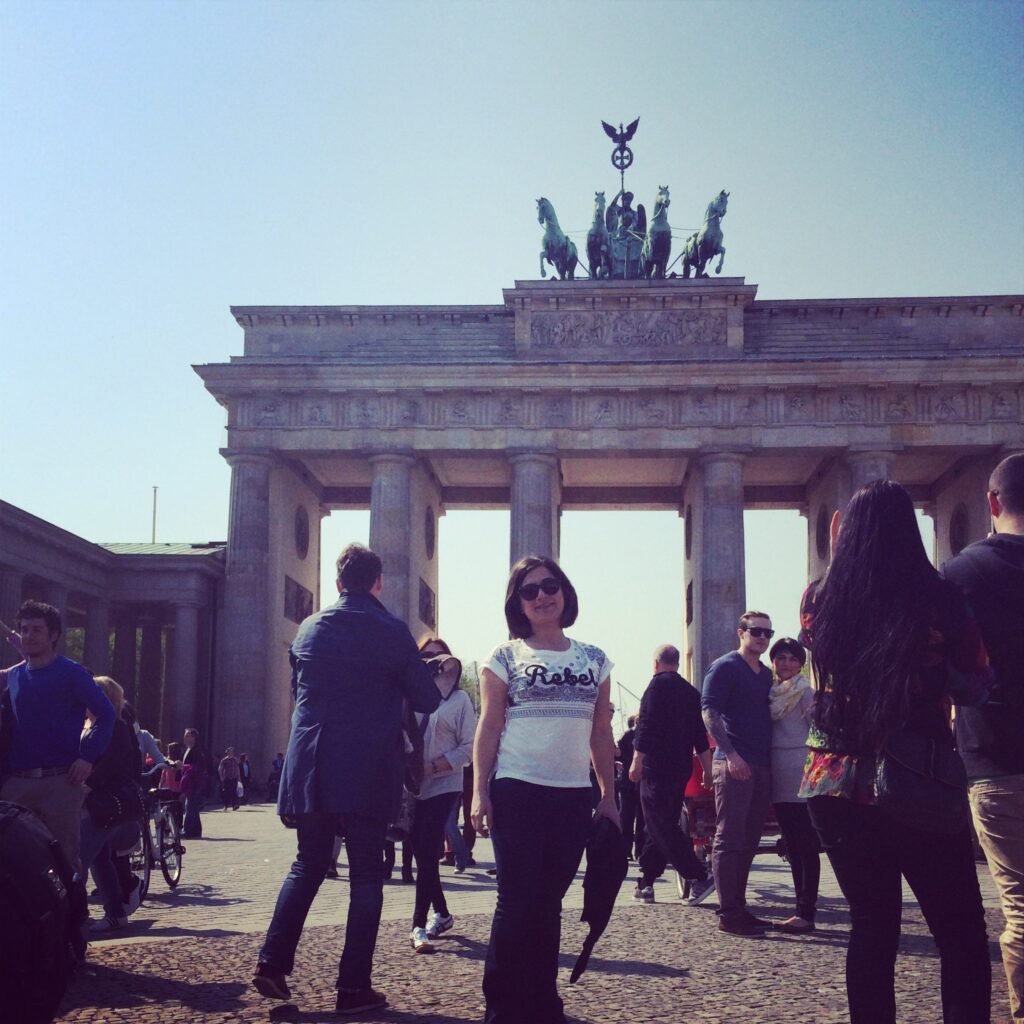
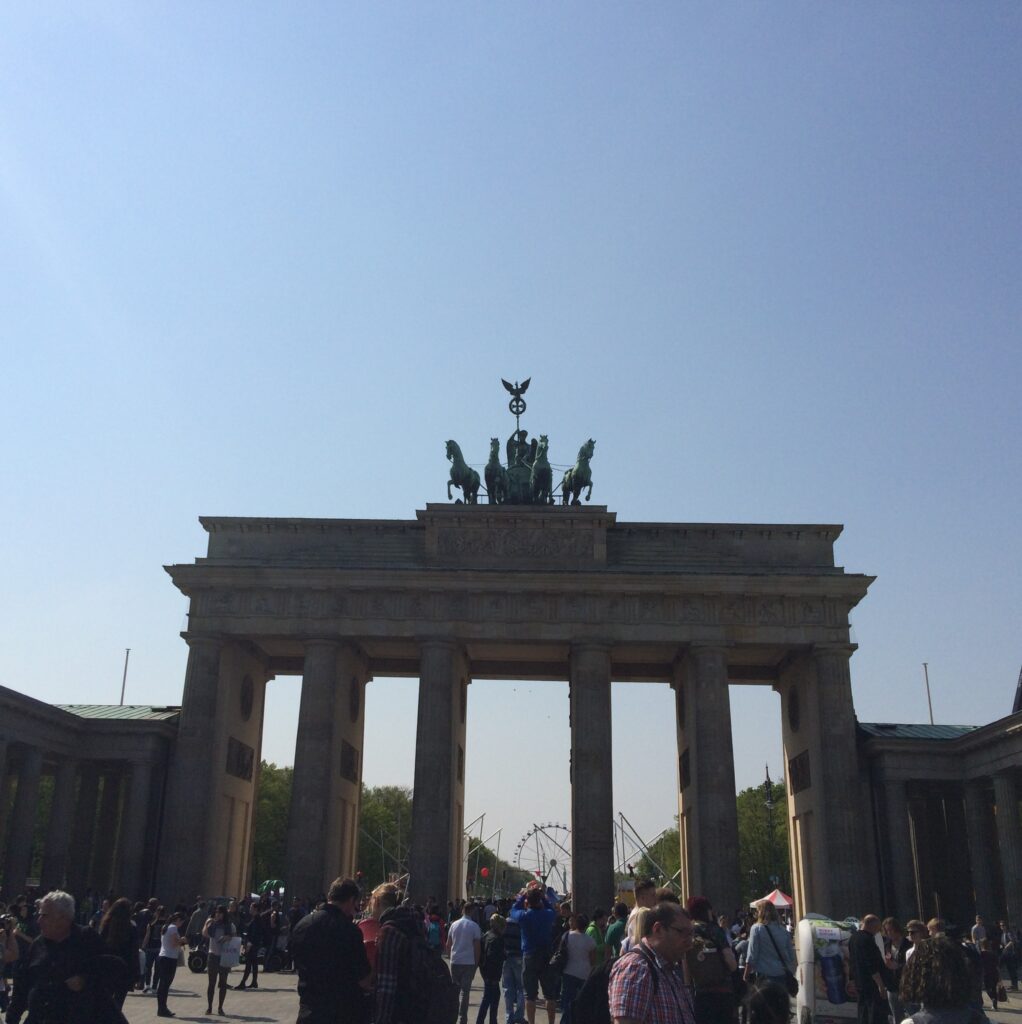
Atop the gate sits the Quadriga, a bronze chariot pulled by four horses and driven by Victoria, the Roman goddess of victory. This statue has a dramatic history of its own:
- The Napoleon Heist: After defeating Prussia in 1806, Napoleon Bonaparte famously took the Quadriga to Paris as a trophy of war. It was only returned eight years later after his eventual defeat.
- The Iron Cross: Upon its return, an Iron Cross and a Prussian eagle were added to Victoria’s staff, turning her from a symbol of peace into one of victory and national pride. For nearly 30 years during the Cold War, the Brandenburg Gate Click to open side panel for more information stood in “no man’s land.” When the Berlin Wall was built in 1961, it was trapped in a restricted zone between East and West Berlin.
The Reichstag Building
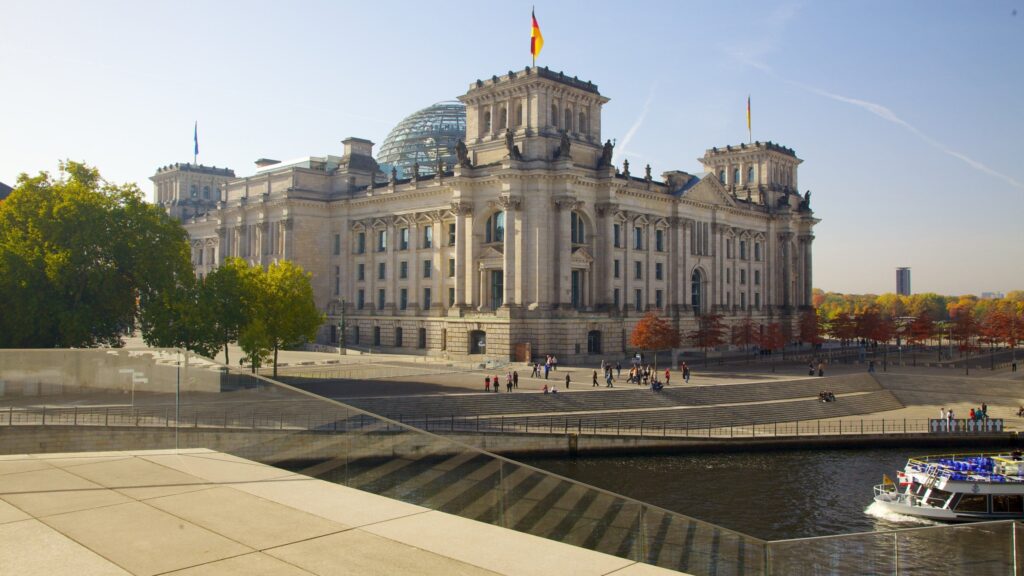
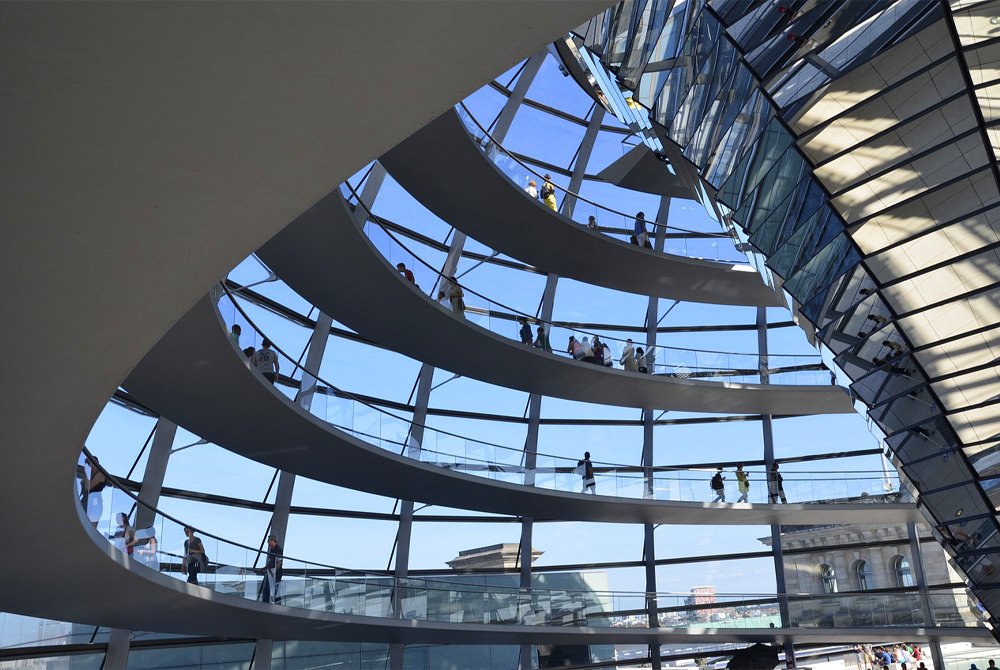
A short walk away is the Reichstag. It is not just a stop on your Berlin itinerary; it’s a front-row seat to the heartbeat of German history and a masterclass in modern transparency. As you stand beneath Sir Norman Foster’s iconic glass dome, you’re literally walking above the politicians making today’s big decisions—a deliberate design choice symbolizing that the people are always above the government. This architectural marvel, which survived the 1933 fire and the scars of WWII, still proudly displays Cyrillic graffiti left by Soviet soldiers in 1945, blended seamlessly with its cutting-edge, eco-friendly “light sculptor” that mirrors natural light into the plenary chamber below. Whether you’re chasing the best 360-degree panoramic views of the Berlin skyline or soaking in the resilience of a building that has been burned, bombed, and reborn, the Reichstag remains the ultimate symbol of Germany’s democratic rebirth.
Protips for Reichstag Visit
Book Ahead: Entry to the dome is free, but security is tight and spots fill up weeks in advance—register on the official Bundestag website early!
Sunset is Magic: Time your visit for late afternoon to see the sun dip behind the Brandenburg Gate from the rooftop terrace.
The Hidden Gem: Don’t miss the Käfer Dachgarten Restaurant right on the roof; it’s the only public restaurant in the world located within a parliament building.
Memorial To The Murdered Jews of Europe
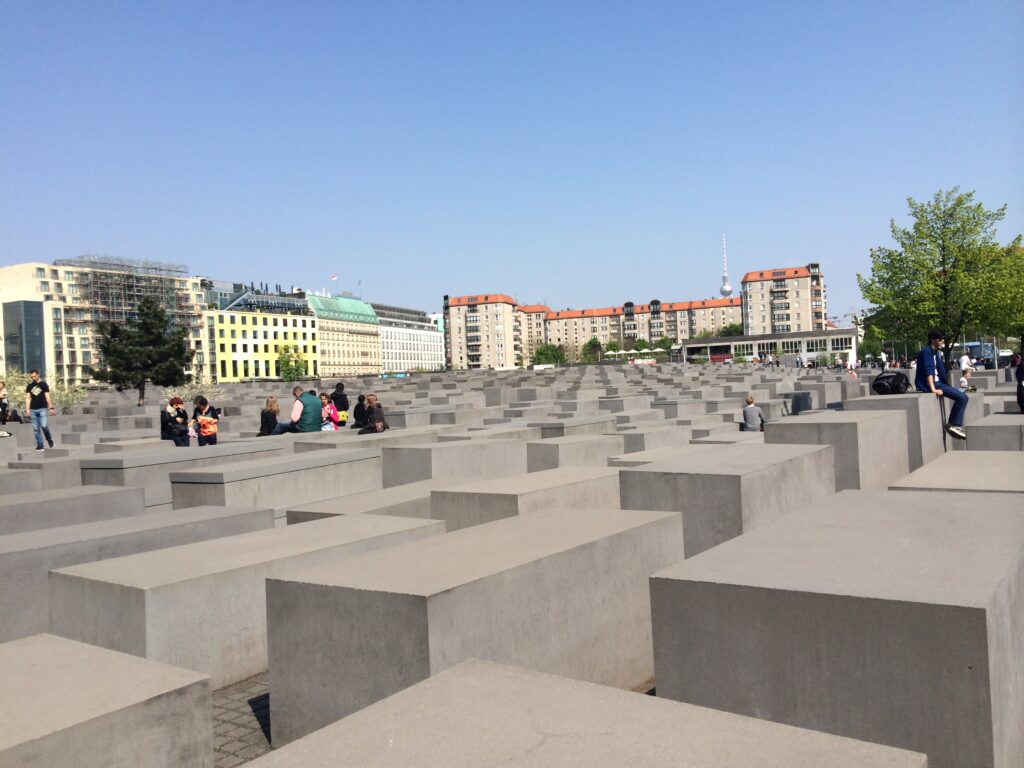
Berlin doesn’t just preserve history; it demands you feel it. For travelers seeking a meaningful Berlin historical tour, the Memorial to the Murdered Jews of Europe is a hauntingly essential stop. Walking through these 2,711 concrete stelae, you’ll find the ground sloping unevenly beneath your feet, a deliberate design that creates a disorienting, somber experience as the city’s noise fades into a heavy silence. Just a short walk away lies the Topography of Terror museum, an indoor/outdoor exhibition located on the former site of the Gestapo and SS headquarters. This site offers a chilling look at the history of the Berlin Wall, as it stands beside one of the few remaining original stretches of the wall, serving as a powerful visual reminder of how ideology once physically strangled the city. For those exploring dark tourism in Germany, these sites handle a complex past with a level of grace and intellectual honesty that is deeply moving and utterly unforgettable.
East Side Gallery: Berlin’s Open-Air Symbol of Freedom
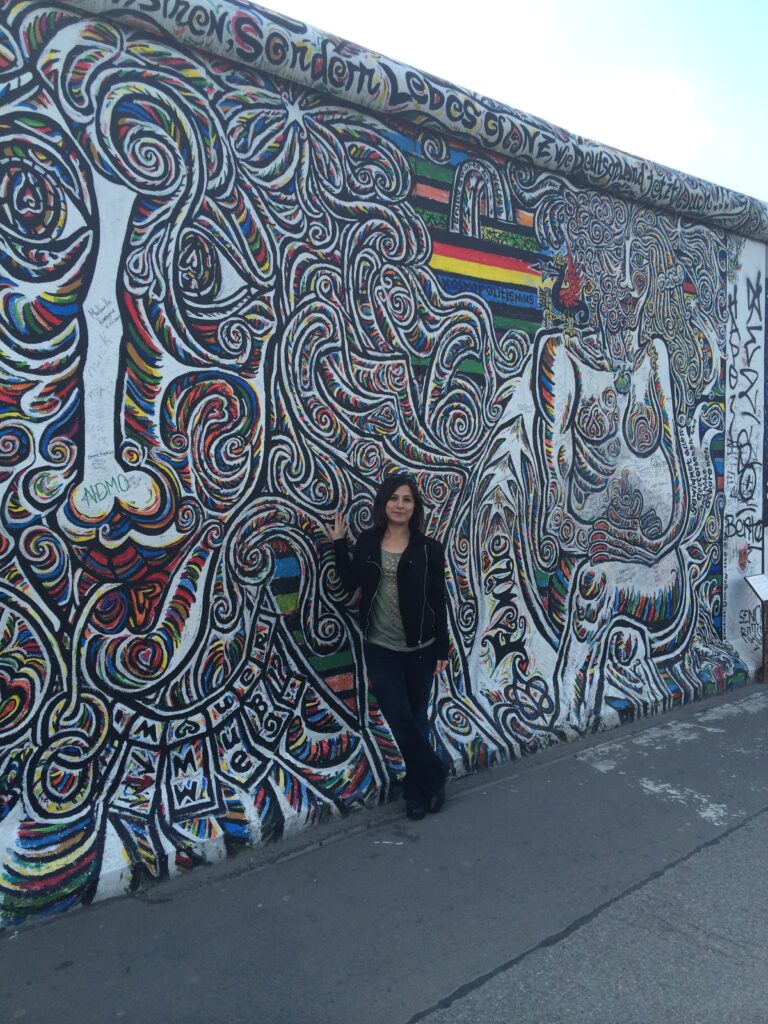
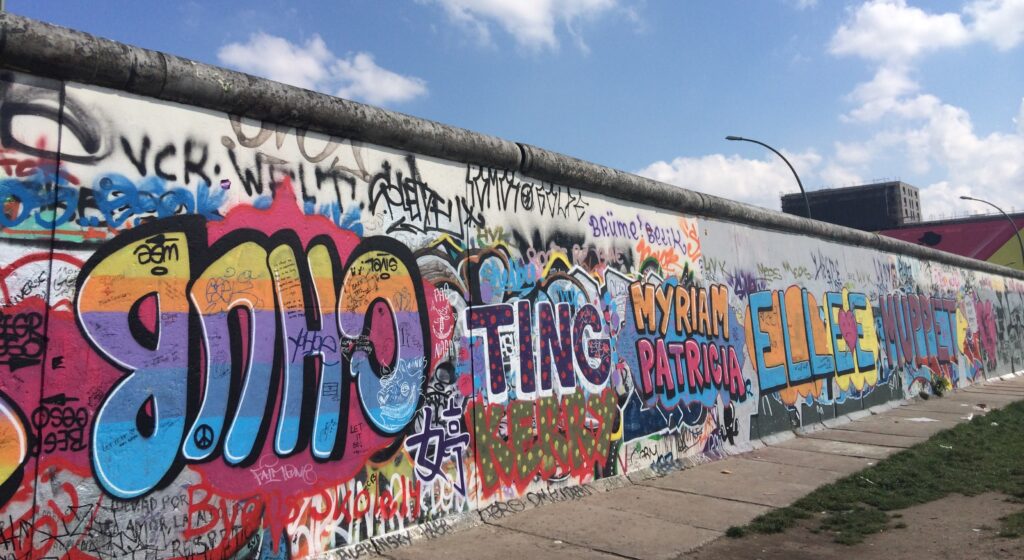
The East Side Gallery is more than just a landmark; it is the longest continuous section of the Berlin Wall still standing and arguably the most famous open-air gallery in the world. Stretching 1.3 kilometers along the Spree River in the vibrant Friedrichshain neighborhood, this heritage-protected memorial features over 100 murals painted by artists from across the globe. For travelers seeking the best street art in Berlin, the gallery offers a profound visual narrative of hope, political change, and the triumph of the human spirit. From the iconic “Fraternal Kiss” between Brezhnev and Honecker to the colorful “Test the Rest” Trabi mural, every inch of this concrete canvas tells a story of a city once divided and now vibrantly unified. Visiting the East Side Gallery is a top-tier free thing to do in Berlin, providing an essential photo opportunity that perfectly captures the gritty, creative soul of the German capital.
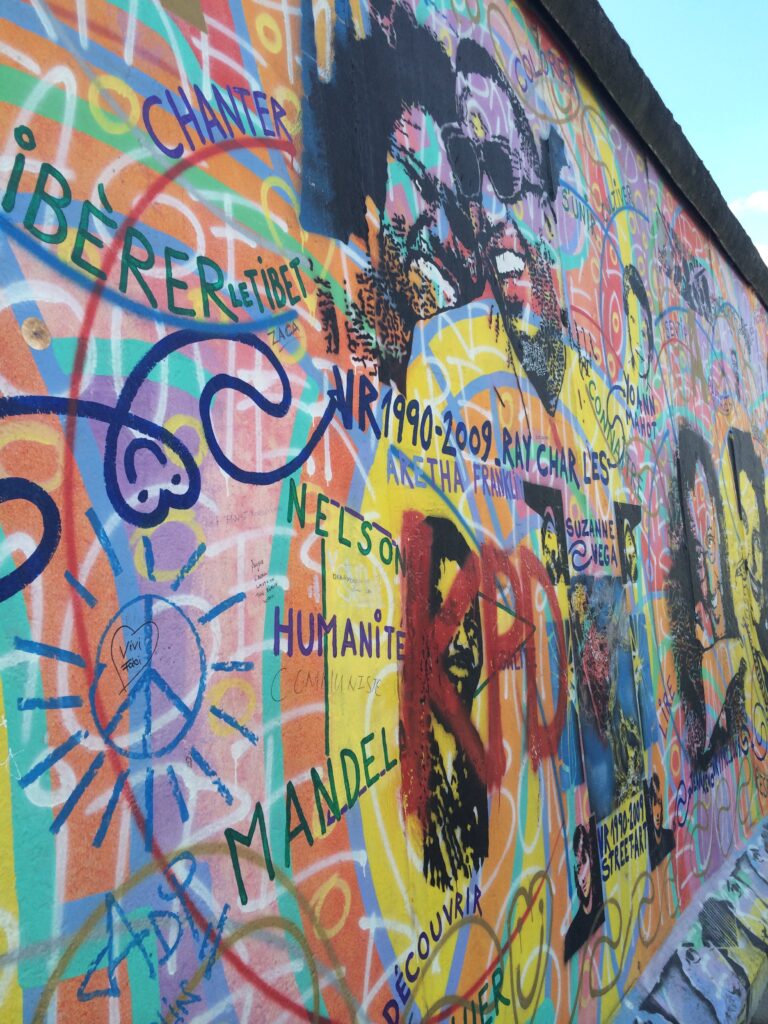
Planning Your Visit to the World’s Longest Open-Air Gallery
If you’re wondering how to get to the East Side Gallery, it is conveniently located between the Ostbahnhof and Warschauer Straße stations, making it an easy addition to any Berlin itinerary. To avoid the heavy crowds and capture the perfect Instagram shot without the photobombers, aim to arrive during the early morning “golden hour” when the light hits the murals beautifully. While the gallery is accessible 24/7, exploring the area during the day allows you to fully appreciate the intricate details of the contemporary street art and the nearby Oberbaum Bridge. After soaking in the history, take a short stroll into the heart of Friedrichshain to discover hidden cafes and local boutiques that showcase the modern culture of East Berlin. Whether you are a history enthusiast or a photography lover, the East Side Gallery remains an unmissable destination that bridges the gap between Berlin’s turbulent past and its artistic future.
Luxury Shopping Miles and Boutique Districts in Germany
For those wondering where to shop in Germany for high-end fashion and local designer labels, the country offers some of Europe’s most prestigious retail boulevards. Start your spree on Berlin’s Kurfürstendamm (Ku’damm), a legendary boulevard often compared to the Champs-Élysées, where flagship luxury brands like Gucci and Chanel meet historic department stores like KaDeWe. If you are heading south, Munich’s Maximilianstraße is the ultimate destination for luxury shopping in Bavaria, featuring an ultra-exclusive selection of international couture set against stunning neo-Gothic architecture. For a more avant-garde experience, explore the Hackescher Markt in Berlin-Mitte, where hidden courtyards house independent boutiques and “Made in Berlin” labels that are perfect for finding unique, high-quality souvenirs. By focusing on these iconic hubs, you’ll discover that shopping in Germany is a sophisticated blend of heritage luxury and cutting-edge urban style.
A Foodie’s Guide to the Best Restaurants in Germany
The German culinary scene has evolved far beyond bratwurst and pretzels, now boasting one of the highest densities of Michelin-starred restaurants in the world. For an unforgettable fine-dining experience, foodies should look toward the Black Forest town of Baiersbronn, often called the “Gourmet Capital of Germany,” or explore Berlin’s diverse gastronomic landscape where innovative chefs are redefining modern German cuisine. If you’re seeking a more authentic, rustic atmosphere, the best traditional restaurants in Munich—such as the historic Hofbräuhaus or the upscale Augustiner am Dom—offer hearty classics like Schweinshaxe (pork knuckle) paired with world-class Bavarian beers. Whether you are searching for vegan-friendly dining in Berlin or a waterfront seafood experience in Hamburg’s Fish Market, the diversity of top-rated German eateries ensures that every palate is catered to with precision and seasonal ingredients.
Navigating Germany’s Best Malls and Concept Stores
Beyond the famous high streets, Germany’s best shopping malls and concept stores offer a weather-proof way to explore global trends and local innovation. Bikini Berlin, located right next to the Zoo, is a world-first “concept mall” featuring modular pop-up boxes that showcase rotating international designers, making it a must-visit for trendsetters. For a more traditional but massive retail experience, the Mall of Berlin at Leipziger Platz provides over 300 shops ranging from high-street favorites to tech giants. If your travels take you to the west, Düsseldorf’s Königsallee (the “Kö”) remains a titan of German retail, offering a picturesque canal-side walk lined with the world’s most expensive fashion houses. From the sustainable fashion markets of Hamburg to the glitzy interiors of Frankfurt’s MyZeil, shopping in Germany provides a comprehensive journey through European commerce and style.
Soaking Up the Sun at Museum Island: Berlin’s Ultimate Chill Spot
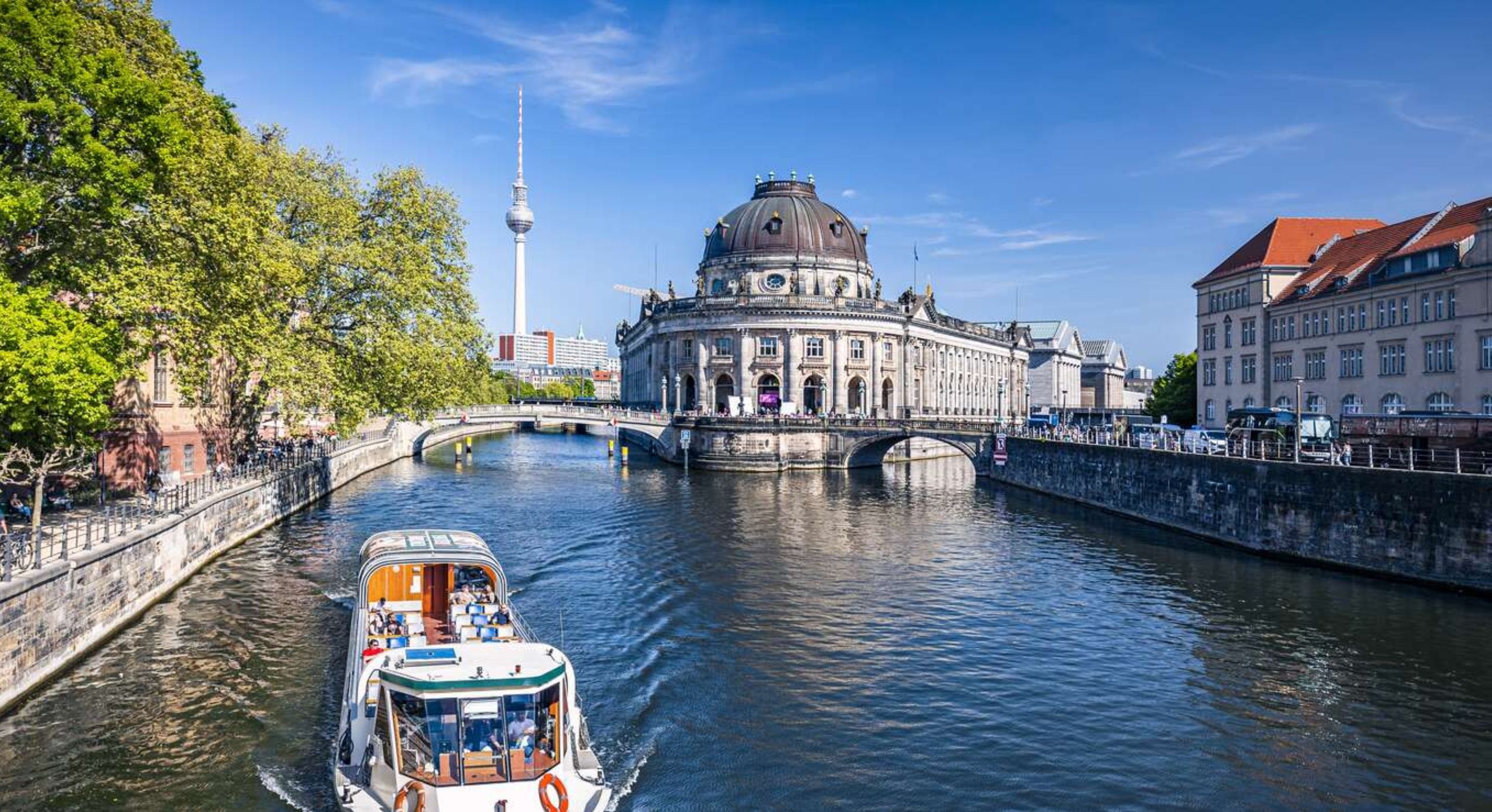
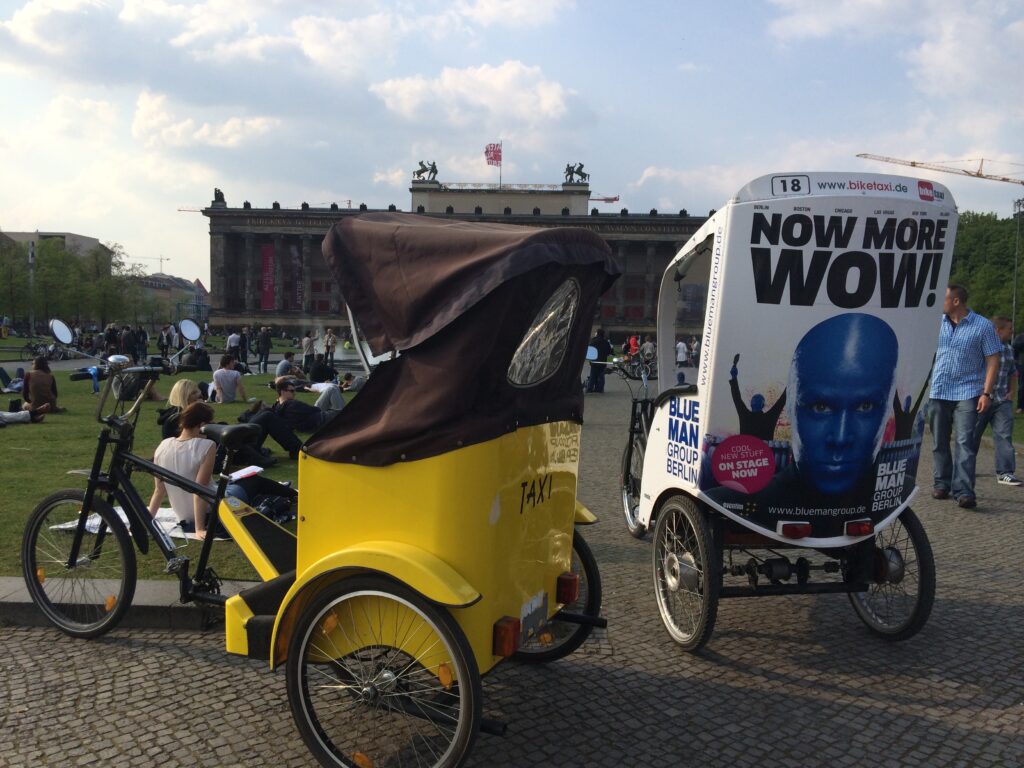
If you want to experience the true soul of the city, there is no better place to spend a sunny afternoon than the Lustgarten, the vibrant green heart of Museum Island Berlin. These photos perfectly capture the eclectic, laid-back energy of this UNESCO World Heritage site, where historic grandeur meets modern urban life. In the shadow of the monumental Altes Museum, you’ll find locals and tourists alike lounging on the sprawling lawns, accompanied by their four-legged friends, while the city’s iconic Berlin bike taxis (velotaxis) buzz by with colorful advertisements for the Blue Man Group.
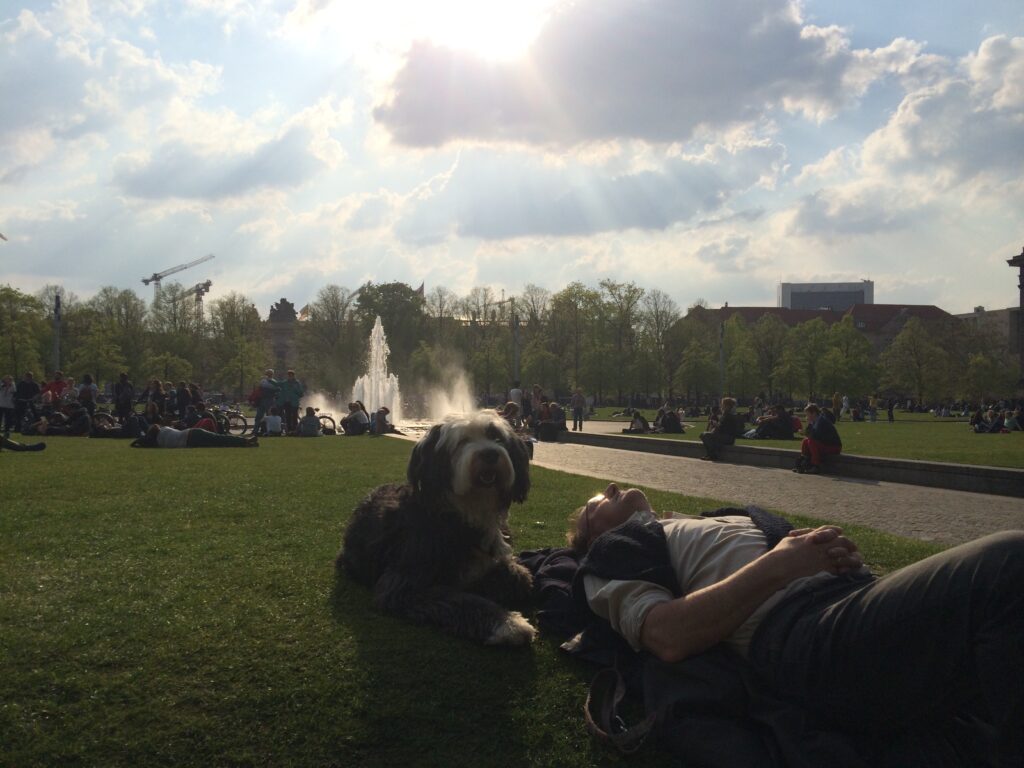
Whether you’re marveling at the shimmering fountains or watching the sunbeams dance across the grass, the vibe here is one of pure, unhurried freedom. For those seeking the best photo spots in Berlin, the Lustgarten offers a stunning mix of neoclassical architecture and casual park life, making it a must-visit destination for anyone looking to relax between gallery hops. It is the perfect embodiment of “Berlin life”—a city that knows how to honor its past while fully embracing the joy of the present moment.
Wrapping up your journey through the German capital, it’s clear that this city is a treasure trove for those who crave deep historical immersion. While the parks and memorials offer a moving tribute to the past, my experience stepping inside the world-renowned Pergamon Museum on Museum Island was easily one of the most impressive moments of my entire Berlin visit. There is something truly surreal about standing before the Pergamon Altar or walking through the vibrant blue Ishtar Gate; it feels less like a museum and more like you’ve been transported through time, especially when you realize that half of the ancient city of Pergamon has essentially been relocated here. Because this architectural titan is so massive and carries such a fascinating “city-within-a-city” story, I’ll be diving into its controversial history and jaw-dropping artifacts in a dedicated, deep-dive article coming very soon. If you’re a history buff looking for the ultimate guide to Berlin’s ancient wonders, stay tuned—you won’t believe the scale of what’s waiting for you inside those walls!